

















By Pesach Benson • January 19, 2026
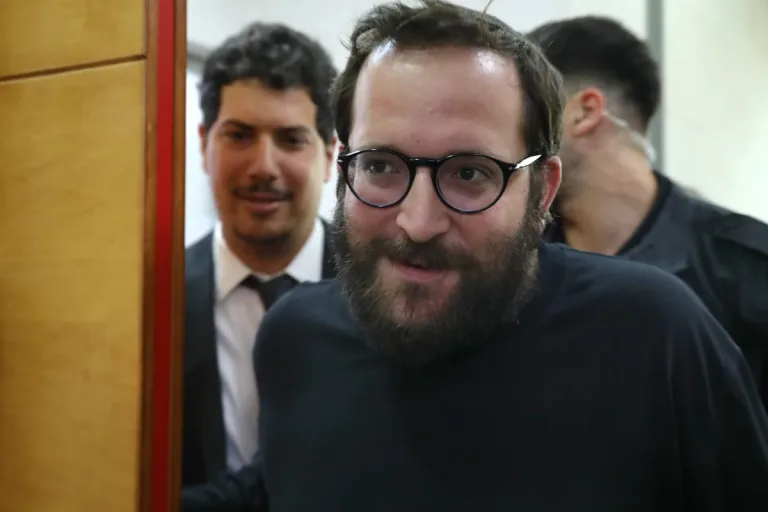
Jerusalem, 19 January, 2026 (TPS-IL) — Yonatan Urich, a close adviser to Israeli prime minister Benjamin Netanyahu, was summoned for police interrogation on Monday as part of an expanding investigation into the leak of classified military documents to a German newspaper.
Urich was questioned at Lahav 433, Israel’s national serious crimes unit, in connection with a clandestine nighttime meeting between Eli Feldstein, Netanyahu’s former spokesman, and Tzachi Braverman, the prime minister’s chief of staff. Investigators believe the meeting may have involved efforts to obstruct an internal probe into the leak.
The affair, dubbed “BibiLeaks” by Israeli media, centers on suspicions that sensitive military material was leaked to the German tabloid Bild in 2024 in an attempt to influence Israeli public opinion regarding hostages held by Hamas in Gaza. It is one aspect of the larger “Qatargate” affair: Urich and Feldstein are suspected of accepting payment to promote pro-Qatari narratives to journalists, allegedly aiming to bolster Doha’s image as a mediator in Israel-Hamas hostage negotiations — while working in the Prime Minister’s Office.
Although Urich’s testimony formally focused on the meeting itself, police warned him at the outset that he is considered a suspect in the broader leak investigation, similar to Feldstein.
In an interview with Israel’s public broadcaster Kan, Feldstein described the unusual circumstances of the meeting. He said Braverman summoned him late at night to an underground parking garage at Israel’s main military and defense headquarters in Tel Aviv and demanded that he surrender his phone before speaking.
According to Feldstein, Braverman warned him that an investigation by the Israel Defense Force’s Information Security Department had been launched and was “creeping into the Prime Minister’s Office.” Feldstein further claimed that Braverman read him a list of names of individuals suspected in the affair. One key name, Ari Rosenfeld — later identified as the source of the leak — was allegedly missing from that list.
Feldstein told investigators that he later informed Urich about the meeting. Urich, however, has denied any knowledge of it.
On Sunday, Israel Police told a magistrate’s court that Urich had lied during his interrogations. According to police filings, he “evaded investigators’ questions” and “failed to address them earnestly.”
The investigation has widened in recent days. Police confirmed that a senior IDF officer, holding the rank of lieutenant colonel and formerly serving in the office of then–Chief of Staff Lt. Gen. Herzi Halevi, was questioned under caution on suspicion of obstructing the investigation. The officer, now serving in a different role, was released under restrictive conditions. Halevi himself has also provided testimony, as has the commander of the IDF’s Information Security Unit, which previously conducted an internal inquiry that failed to identify the leaker.
Earlier this week, police appealed to the Central District Magistrate’s Court seeking to extend the suspension of both Braverman and Urich from their roles in the Prime Minister’s Office. The appeal challenged a lower court ruling that described the suspicions against Braverman as weak. Police argued that the court underestimated the risk of obstruction of justice, writing that lifting restrictions “ignores the fear of interference with legal proceedings and the special circumstances of the case.”
Regarding Urich, police said his private correspondence with Feldstein following the Bild publication undermines his claims of ignorance. According to investigators, the messages show Urich actively discussed “the authenticity and importance of the document,” contradicting his assertion that he had never seen or heard of it.
At the heart of the case is the allegation that Braverman told Feldstein during the parking garage meeting that he could “shut down the investigation,” a statement that forms the basis of the obstruction suspicions.
The leak bolstered Netanyahu’s position that military pressure, rather than diplomatic negotiations, would secure the release of hostages held in Gaza. Critics argue the document represented an effort by Netanyahu’s office to shift blame onto Hamas for the failure of the talks.
The Prime Minister’s Office has not issued a formal response to the latest developments.
Related Topics