




















Minister Regev: “The integrated transport hubs will enable seamless and efficient connection between metro lines, light rail, Israel Railways, buses, and bicycle paths, and will make public transportation more accessible, faster, and more synchronized.”
The National Planning and Building Council (HUL) today (Monday) gave the green light to the Ministry of Transportation and the NTA Metropolitan Mass Transit System Ltd. to advance two of the most central and important integrated transport hubs in Israel: the Shalom hub and the Hagana hub. The hubs will connect the metro, light rail, Israel Railways, buses, bicycle paths, all within an advanced urban space to improve accessibility, connectivity, and quality of life for hundreds of thousands of passengers daily.
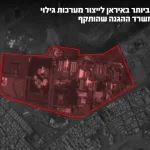
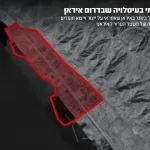
Shalom Hub: Shalom Station is one of seven integrated transport hubs to be built in Gush Dan, spanning an area of approximately 150 dunams. With a forecast of approximately 80,000 passengers during peak hours, Shalom Station is expected to be one of the central and main public transportation stations in Israel.
The hub will integrate metro lines M1 and M2, Israel Railways, bus services, and pedestrian and urban connections, providing a direct solution to the main demand centers in the area, including the Azrieli Center, TOAH, and the Government Complex.
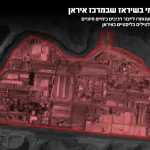
Hagana Hub: Spanning an area of approximately 100 dunams, it will be one of the main transportation junctions along the Ayalon corridor in Tel Aviv. The hub is expected to serve approximately 25,000 passengers during peak hours, and will integrate the light rail, the Purple Line, metro line M1, Israel Railways, and a bus terminal. This is part of an advanced and continuous urban transportation fabric.
The plans for the hubs include connections for pedestrians and cyclists over the Ayalon, additional stations and interfaces between the various modes of transportation, along with detailed instructions for carrying out the works, environmental protection, minimizing nuisances, organizing staging areas, and planning flexibility, in accordance with the Planning and Building Law.
The advancement of the Shalom and Hagana hubs joins the development of the metropolitan metro network and the light rail lines, and is a central component in creating an integrated, efficient, and accessible public transportation system connecting employment, commercial, and service areas in Gush Dan, in accordance with transportation demands for the coming decades.
Minister of Transportation and Road Safety, Brig. Gen. (Res.) Miri Regev: “The advancement of the ‘Shalom’ and ‘Hagana’ integrated transport hubs is an important step in realizing the vision of advanced public transportation in the Tel Aviv metropolitan area. The hubs will enable seamless and efficient connection between metro lines, light rail, Israel Railways, buses, and bicycle paths, and will make public transportation more accessible, faster, and more synchronized. This is an innovative transportation solution that will connect employment, commercial, and service areas in central Gush Dan and will meet transportation demands for the coming decades.”
Director General of the Ministry of Transportation and Road Safety, Moshe Ben Zaken: “The new hubs are a central part of realizing Minister Regev’s ‘Connecting Israel’ plan. The plan will significantly improve accessibility and connectivity within Gush Dan. These are two critical transportation junctions that will connect different transportation systems and ensure a comfortable and efficient travel experience. The hubs will improve the quality of life for hundreds of thousands of passengers and will meet the future needs of the metropolitan area.”
Related Topics