












By Pesach Benson • January 13, 2026
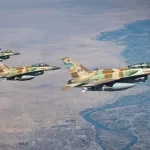
Jerusalem, 13 January, 2026 (TPS-IL) — Israel’s military raised its state of alert on Monday as unrest in Iran intensified and tensions mounted between Tehran and Washington, while senior defense officials sought to quell public anxiety at home fueled by widespread rumors of an imminent regional escalation.
In a rare tweet aimed at countering speculation, military spokesperson Brig. Gen. Effie Defrin said the Israel Defense Forces (IDF) was prepared for potential fallout from events in Iran but had no intention of intervening in the protests themselves.
“In recent days, many rumors have circulated in light of the situation in Iran,” Defrin tweeted. “As clarified in the past, the IDF is prepared defensively and remains on alert for surprise scenarios if required. The protests in Iran are an internal matter. Do not lend a hand to rumors.”
The remarks came as Iran faces its most serious wave of anti-government demonstrations in years, sparked by a sharp economic collapse and escalating into open calls for the overthrow of the Islamic Republic’s clerical leadership. U.S. President Donald Trump has said he is prepared to intervene if Iranian authorities kill protesters. Tehran has responded by threatening retaliation against Israel and U.S. military bases in the region.
Rights groups report a death toll of at least 648 since the unrest escalated late last month, but say the true number is probably much higher after Iranian authorities cut internet access.
In Israel, the combination of Iranian threats and Trump’s statements triggered a wave of speculation on social media, including false reports that bomb shelters were being opened in Tel Aviv. The city later denied the claims, saying no change had been made to civilian defense instructions. Still, the rumors spread quickly enough to prompt mayors in central Israel to issue reassurances that daily life was continuing as normal.
Defrin stressed that Israel’s heightened readiness was precautionary rather than a prelude to action. He said the military was conducting continuous situational assessments and would update the public if necessary, but emphasized that Israel would not initiate hostilities.
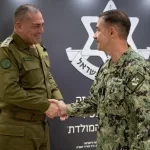
A similar message was delivered by IDF Chief of Staff Lt.-Gen. Eyal Zamir on Monday, who described the protests and the regime’s crackdown as “an internal Iranian matter” unrelated to Israel. He added that any attack by Tehran would be met with overwhelming force.
Beyond the immediate unrest, Israeli defense officials are closely tracking Iran’s efforts to rebuild its ballistic missile capabilities, which were damaged during a brief but intense war between the two countries in June. That 12-day conflict began with Israeli strikes on senior Iranian military commanders, nuclear scientists, uranium enrichment facilities, and missile infrastructure.
The demonstrations began on December 28 with the collapse of the Iranian rial and rising prices.
Israel launched preemptive strikes against Iranian nuclear sites on June 13, citing intelligence that Tehran had reached “a point of no return” in its pursuit of nuclear weapons. Israeli intelligence also exposed a covert program to complete all components of a nuclear device. During 12 days of fighting, Iranian missile strikes killed 28 Israelis and injured over 3,000.