


















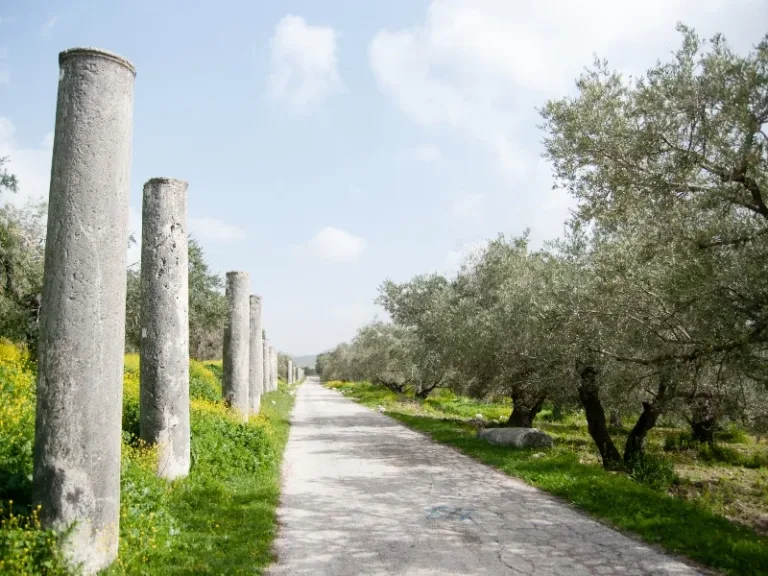
The move is intended to reduce ongoing infrastructure gaps in the region, which has less than 2% of Israel‘s hotel rooms, despite a unique concentration of heritage, nature, and religious sites with national and international tourism potential.
According to the Ministry of Tourism’s data, in the last decade, only about NIS 115 million were invested in Judea and Samaria for infrastructure development, compared to over NIS 2 billion invested in the rest of the country. As a result, most visits to the region currently consist of day trips without overnight stays, and the economic potential of tourism – employment, entrepreneurship, and revenue for local authorities – remains largely unrealized.
The Ministry of Tourism emphasizes that the expected return for a hotel entrepreneur in Judea and Samaria is currently estimated at only about 4%, among the lowest in Israel, and that without proactive government intervention, a tourism industry will not develop in the region.
Highlights of the multi-year plan submitted by the Minister of Tourism:
• 50 million NIS for the development and upgrade of public tourism infrastructure, including access roads, signage, parking lots, visitor centers, and digital tourism, with an emphasis on the Land of the Bible and the Judean Desert.
• 20 million NIS for grants to entrepreneurs for the establishment of hotels, B&Bs, and camping complexes, at a total rate of up to 33% of the investment, against the backdrop of low returns and high business risk in the region.
• 7 million NIS for promoting statutory planning for tourist accommodation facilities, in light of the shortage of available plots for development.
• 7.5 million NIS for marketing, branding, and promotion of domestic and inbound tourism.
• 1.5 million NIS for the appointment of a dedicated project manager for implementation and inter-ministerial coordination.
Minister of Tourism Haim Katz: “As I committed upon entering office, we are investing extensive resources in our local Tuscany. The Judea and Samaria region holds deep historical and political importance for the people of Israel and the State of Israel, as well as significant value for inbound tourism. We will transform the heritage and nature sites in the land of our ancestors from preserved assets into active tourism anchors, generating economic, regional, and national value.”
Director General of the Ministry of Tourism, Michael Yitzhakov: “The plan we are bringing for government approval is a historic step that lays a long-term foundation for tourism development in Judea and Samaria. This is a region rich in tourism assets of Jewish heritage, historical sites, and some of the most beautiful landscapes in Israel, which has not realized its potential for years. In line with the Minister’s policy, through planned investment in infrastructure, statutory planning, and marketing, we are creating conditions that will enable responsible tourism development, strengthen the local economy, and expand the range of destinations for the Israeli public and inbound tourism.”
Related Topics