






Knesset Press Release • July 29, 2025
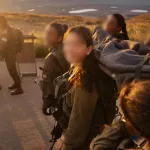
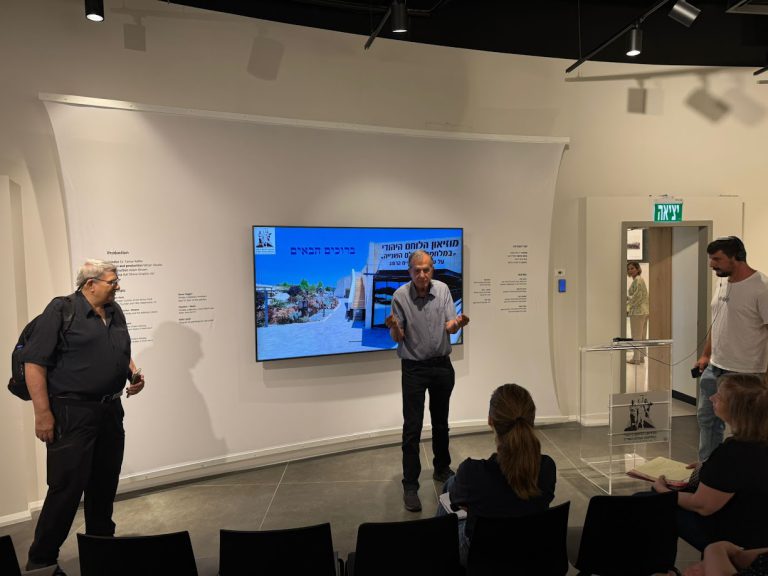
The Special committee on the Treatment of Holocaust Survivors on Sunday visited the Chaim Herzog Museum of the Jewish Soldier in World War II.
Some 1,500,000 Jewish male and female soldiers fought the Nazis on all fronts, in all branches and roles. About 250,000 of them fell in battle, and tens of thousands were decorated for their contribution to the war effort.
During the tour, Committee Chair MK Meirav Cohen (Yesh Atid) said “This museum is a home to many fascinating stories about Jewish fighters in World War II, and we came here to be exposed to some of them.”
The museum’s CEO, Brigadier General (res.) Zvika Kan-Tor, said “It is clear to everyone that when you say ‘Jews’ in the context of World War II, most of us immediately think of the Holocaust tragedy. But 80 years from now, if people will ask how the war that began on October 7 and is still ongoing will be remembered, everyone will say it was about fighters and heroes—and not just about the massacre.
“Today, the focus regarding the Holocaust is on the catastrophe, not on the stories of heroism, and visiting the museum flips the perspective on memory and commemoration.
“In 1961, following the testimonies during the Eichmann trial, the Israeli public began to understand what really happened during the Holocaust. Over time, Holocaust Martyrs’ and Heroes’ Remembrance Day was shortened to Holocaust Day, excluding the Jewish heroism. But the immigration wave of the 1990s from the former Soviet Union brought about a transformation in the understanding of heroism during World War II,” Kan-Tor told the committee members.
During the tour, committee members were introduced to the museum’s six sections: the Early Years Section, the British section, the Russian section, the American section, the Partisan section, and the Yishuv and Rebirth section. The committee members heard, among other stories, those of Vera Atkins, director of special operations in the British Army; of Yakov Tadessa, who served in the Gideon Force, a British and African special force that fought the Italian occupation in Ethiopia during the East African campaign of World War II; and the story of Polina Gelman, who served as a combat flight navigator in the Soviet Air Force.
Committee Chair MK Cohen concluded the tour and said: “This place gives a very important perspective. Usually, the committee’s deliberations focus on the needs of the survivors, but this place sheds a different light on the Holocaust and reminds all of us what we are fighting for these days.”