









Knesset Press Release • September 3, 2025
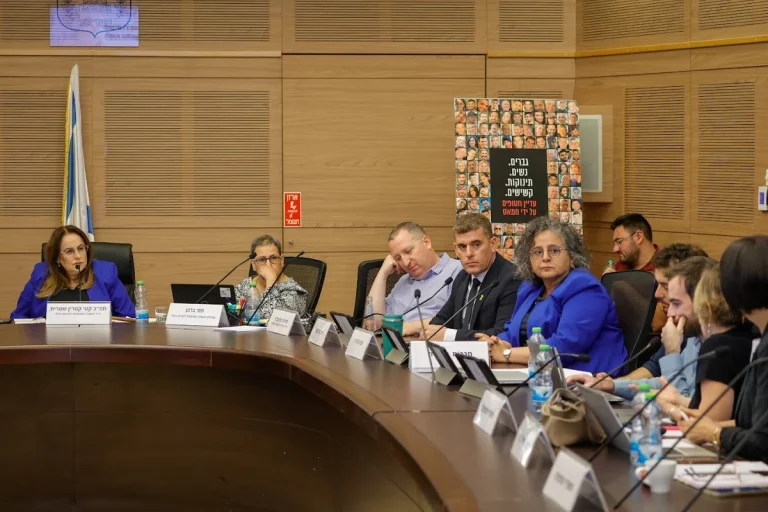
The Special committee for the Rights of the Child, chaired by MK Kathrin Shitrit (Likud), held on Wednesday a debate on the topic of “Emotional and mental support for children and youth following the opening of the school year.”
At the start of the debate, committee chair MK Shitrit said “The pupils of Israel went on summer vacation in the shadow of Operation Rising Lion, and returned to the school benches without any ability to process the experience of the war or to receive the necessary emotional and mental support. It is inconceivable that a third of the positions designated for mental health professionals remain unfilled. I believe that the entire system is facing a tsunami; this is a clear wake-up call. Emotional support cannot be sufficient and effective unless it is provided within an organized framework. I call upon the relevant ministries to formulate an immediate plan that will provide a comprehensive framework of all the necessary responses, and I will act to ensure this.”
A report published by the ELEM-Youth in Distress association regarding the state of youth in Israel—a year into the Swords of Iron war—pointed to the following trends and data:
– Irregular attendance in frameworks – one-third of adolescents reported non-attendance at educational settings. One in three reported overt or concealed dropout from frameworks.
- Mental distress – one in three adolescents reported feelings of loneliness, depression, and anxiety. Among at-risk populations, this reached 60% of respondents.
– Drug and alcohol use – half of adolescents reported alcohol consumption; a quarter reported drug use.
– Violence outside the home – 20% of adolescents indicated that they suffered from violence outside the home. One in five experienced violence in the street, at school, in public spaces, etc.
In addition, qualitative reports collected by ELEM during operation Rising Lion, almost two years after the outbreak of the Swords of Iron war, indicated a worsening of emotional and social distress: feelings of heightened existential anxiety, hyperarousal, frustration, ongoing helplessness, and a routine devoid of meaning.
According to the National council for the Child, there are problems and shortages in the psychological-counseling service system, including: the absence of regulated staffing standards, difficulties in filling existing positions, an outdated staffing ratio and unfilled positions, a lack of responses for all age groups, and insufficient service in day-care centers.
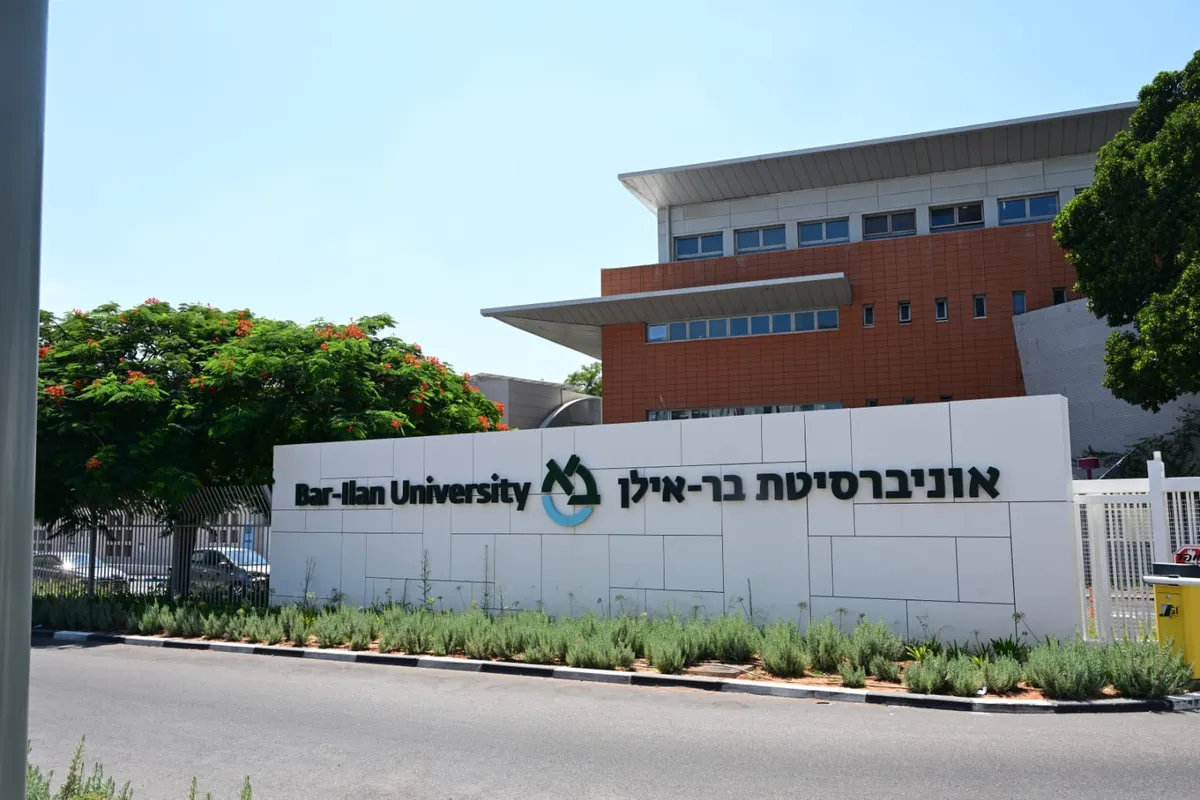
A representative of the Ministry of Education presented to the committee an interim survey for 2025 examining the impact of the Swords or Iron war on youth, and comparing trends from 2023, 2024, and 2025. The survey was conducted by Prof. Yossi Harel-Fisch and Prof. Sophie Walsh of Bar-Ilan University, in cooperation with and funded by the Ministry of Education, the Ministry of Health, and the Ministry of national security.
Findings of the research show that adolescents who reported parental support, a sense of belonging and love for school and community, social involvement, and future plans, demonstrated lower levels of mental distress and perilous behavior.
A comparison of exposure levels between February 2024 (five months after the outbreak of the war) and May–June 2025 (a year and a half into the war) indicates that in almost all types of events, the percentage of students who were exposed and who also felt fear increased significantly from 2024 to 2025.
A girl in the eighth grade said, “I am the daughter of a reservist and a career (female) soldier. For two years, no one from the education system has approached me or inquired about my well-being. I find myself the day before a test unfamiliar with the material, because I am busy caring for my siblings and worrying about my parents, while at the same time the school has provided me with no support or academic help. They expect us to turn to the education system.”
A girl in seventh grade described a similar problem: “I am the daughter of a career soldier and I am required to help at home more than usual. My father is not at home because he is in the army, and I did not receive any private tutoring hours or extra time in exams, and not even emotional support from the school. I feel invisible.”