

















Knesset Press Release • July 30, 2025
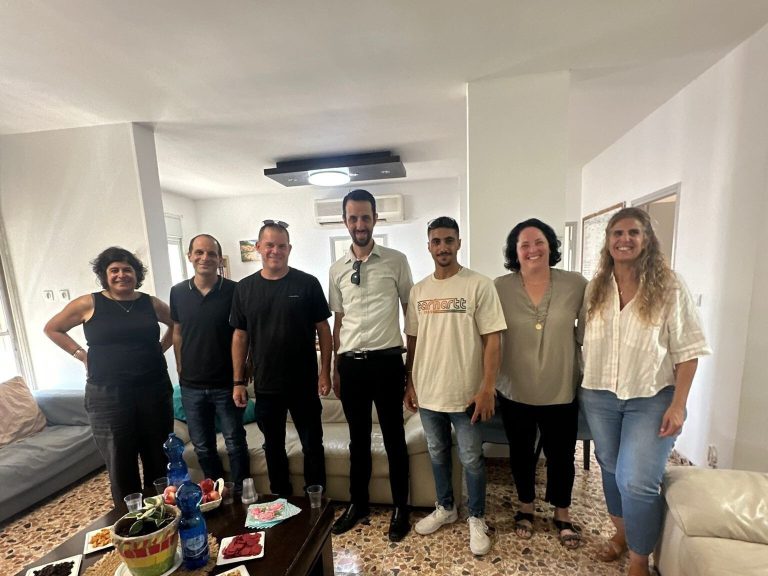
The Special Committee for Combatting Drug and Alcohol Abuse conducted a tour of the city of Afula on Tuesday. During the tour, committee chair MK Ariel Kallner (Likud) emphasized that the ongoing reality of war, combined with the summer vacation, creates a unique challenge in the field of addiction prevention.
Afula Mayor Avi Elkabetz spoke about the city’s approximately 70,000 residents and the additional 200,000 people who enter the city daily for work, services, and studies. Afula provides services and care to around half a million people in the surrounding area. It has grown by 16,000 people over the past six years, with a growth rate of about 5% annually. About 25% of the city’s residents are aged 18 and under.
Mayor Elkabetz noted the collaboration with various bodies and government ministries and the construction of parent-child centers for at-risk populations, which also serve people from outside the city—even though the budget and staffing are provided solely by the host municipality. The welfare budget makes up about 20% of the municipal budget.
Sigal Banias, head of the Welfare Department in the Afula Municipality, noted the rapid growth and Afula’s transformation into a large city, as well as the expansion of extreme phenomena. She spoke about dedicated social workers and counselors who provide care for adults, women, and youth, and about the guidance and support given to addicts, including life-skills training. Currently, 127 individuals are receiving treatment in the city, though certainly there are more addicts who do not reach the treatment unit. She warned that the age of initial drug use is very young—even between 10 and 12. Most usage involves alcohol, cannabis, cocaine, and opium, aside from prescription medical cannabis users. Banias highlighted the severe difficulty in filling social worker positions—especially since the salary in the surrounding regional councils is the same, but the workload is much lighter. She said the municipality has been searching for a social worker for homeless individuals for a year and a half now—without success.
Sigalit Guttman, head of the municipality’s addiction treatment unit, spoke about a family-like atmosphere that supports not only the patient but also his/her family, with activities and workshops. She described the challenges of behavioral addictions resulting from excessive mobile phone usage, noting that mobile phones also increase access to drugs. Guttman also discussed what she referred to as the complex and difficult treatment of some 40 homeless individuals in the city, as most are unwilling to accept help, and even assault welfare workers.
A former addict, now a personal coach assisting the addiction prevention unit, spoke about the help, trust, and support she received from the unit’s staff—even in the darkest moments of her life. She said the struggle the staff undertook on her behalf, and on behalf of her children, completely rebuilt her life and helped her and her children get back on their feet. “The welfare workers gave me the strength to cope, and it’s only thanks to them that I’m here,” she told the committee members.
Shai Shapira, director of the adult community at the Malkishua treatment and rehabilitation center for drug and alcohol addictions, spoke about transition apartments for graduates of the program and their successful integration into employment and housing.