
















Knesset Press Release • September 29, 2025
In its sitting on Monday, the Knesset Plenum voted to approve in second and third readings the Deficit Reduction and Limiting Budgetary Expenditure Bill (Amendment No. 29), 2025. In the vote, 55 Members of Knesset supported the bill, versus 50 who opposed it.
It is proposed to raise the deficit limit for 2025 so that the total deficit rate will not exceed 5.2% of the GDP (instead of 4.9%). It is further proposed to increase the permitted government expenditure for 2025, as a share of the total permitted expenditure for 2024, so that it will amount to 20.4%. This includes 5.6% for funding the expenditures required for security needs due to the significant military actions, including the campaign against Iran, and 0.4% for funding the expenditures required for civilian needs stemming directly from this warfare.
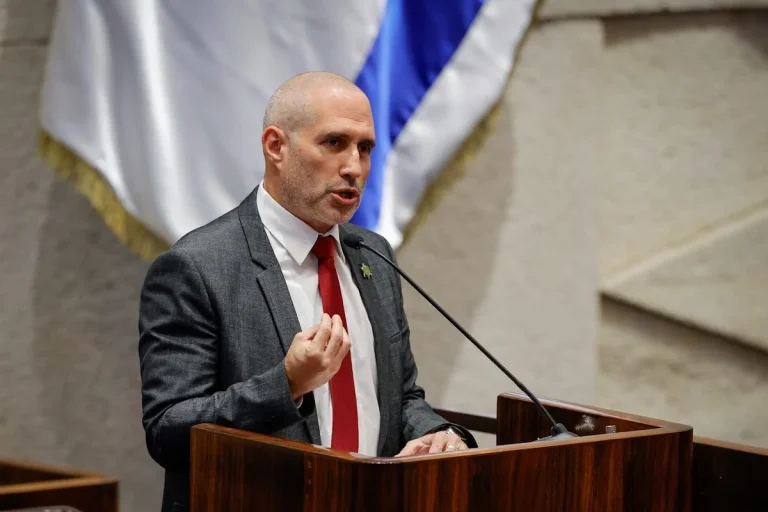
minister of Finance Bezalel Smotrich: “This is an important budget. The NIS 30.8 billion that are being put to a vote here are mainly intended for the defense budget. The army and its needs during wartime should be above any dispute. As for the economy, the numbers speak for themselves. The shekel is much stronger than it was on the eve of the war, the stock market is breaking records, and that is the best parameter for the confidence and optimism of the investors. This is happening because everyone knows that this war is lowering our geopolitical risks drastically. Our situation is improving; the economy is going to grow enormously. Victory will bring security, and security will bring a huge economic boom.”
finance committee Chair MK Hanoch Milwidsky (Likud): “We’re talking about bills whose purpose is to enable an increase in the expenditure framework in Fiscal Year 2025 due to the ongoing state of warfare. In practice, we are approving the expenditures of the first [phase of] Operation Gideon’s Chariots and Operation Rising Lion. This is a retroactive approval; this is not the preferred course of action. Due to the war and for obvious reasons, that it was not possible to announce publicly when Operation Rising Lion would begin and to prepare for it through accepted channels—we are called upon to do so now. Operation Gideon’s Chariots II is not reflected at present in this budget. The budgetary effects of Operation Gideon’s Chariots II will be reflected in Fiscal Year 2026.”
The explanatory notes to the bill state: “The Budget for Fiscal Year 2025 Law was approved in March 2025. In the course of May 2025, the State of Israel launched Operation Gideon’s Chariots, in which the scope of mobilization of reserves increased beyond the expected, and led to additional warfare expenditures. On June 13, 2025, the State of Israel launched Operation Rising Lion against Iran, which included significant strikes by the security forces by various means aimed against Iran. These strikes led to counter-strikes by Iran against Israel, and significant defensive efforts by the security forces.
“in light of the above, the Government was called upon—and is still called upon—to spend considerable amounts, both for the purpose of the warfare and as a response for the victims of the hostile acts and the increase in their number due to the ongoing intensive warfare, which was not reflected in the forecasts during the preparation and approval of the Budget Law for 2025. In order to enable the enactment of the Additional Budget Bill, it is necessary to raise the expenditure limit prescribed in the fiscal frameworks law as stated.”