










Knesset Press Release • January 27, 2026
The national security Committee, chaired by MK Tzvika Foghel (Otzma Yehudit), convened on Monday to discuss the issue of crime committed by illegal immigrants in southern Tel Aviv neighborhoods and its impact on the State of Israel’s national and social security.
“If immigration is not properly managed, it could disrupt the balance of the status of Jews in the State of Israel,” said committee chair MK Foghel. “We must not ignore the problem. During my visit, I felt the distress of the residents of south Tel Aviv. I hear from the police and other sources about the rise in cases of violence, drug trafficking, and harassment, which are causing citizens to fear walking the streets. Sovereignty and governance must exist in all parts of the State of Israel. We should consider the possibility of dispersing the infiltrators across the country – it worked within the walls of the prison, and it may work in this matter as well. We cannot continue allowing the long-time residents of south Tel Aviv to live in fear.”
South Tel Aviv resident Sheffi Paz said, “Too many Knesset committees are dealing with the problems of the infiltrators, but they have forgotten to care for the Israelis who have lived in the neighborhoods since before the infiltrators arrived. The Central Bus Station area is a place of unceasing crime. We need to admit that no solutions have been found to remove the infiltrators. The infiltrators and foreign workers roam the streets, committing crimes, and this harms the Israeli residents of the neighborhood.”
Tel Aviv City Council member Shula Keshet said, “The Central Bus Station is an ungoverned area with no order, control, or law. There are drug stations throughout the neighborhoods of south Tel Aviv. We live in a closed cycle of crime. I am against violence in any form. Criminals from all parts of society should be in prison. There is no horizon for the children of the asylum seekers, and this leads to severe crime in the streets. To stop the violence, we need to deal with the crime hubs in south Tel Aviv.”
MK Yitzhak Kroizer {Otzma Yehudit) said, “We have taken legislative steps, and in addition, a Border Police unit has been deployed in the south Tel Aviv area, and I want to know how these actions have changed the situation in the neighborhoods of south Tel Aviv.”
MK Yulia Malinovsky (Yisrael Beitenu) said, “Anyone who can be deported should be deported with all the possible incentives and force. We must take into consideration that the problem has not been dealt with for 20 years, so there will be a population that cannot be deported from Israel. The children of the infiltrators who were born here are here to stay, and we need to take them out of the world of crime and into a normative world where they will serve the state in various ways. If we set aside the emotions and anger, we can find effective solutions.”
Hanan Peretz of the Tel Aviv Municipality said, “We are the only municipality in the country that is taking care of the welfare of foreigners in south Tel Aviv. The police have entered strongly into the picture in south Tel Aviv, and they understand that the distress in the neighborhoods is critical, and they are acting accordingly. We identify crimes committed by refugee and migrant youth, and we need to know how to address this. An infiltrator who commits a crime should not be living in the State of Israel.”
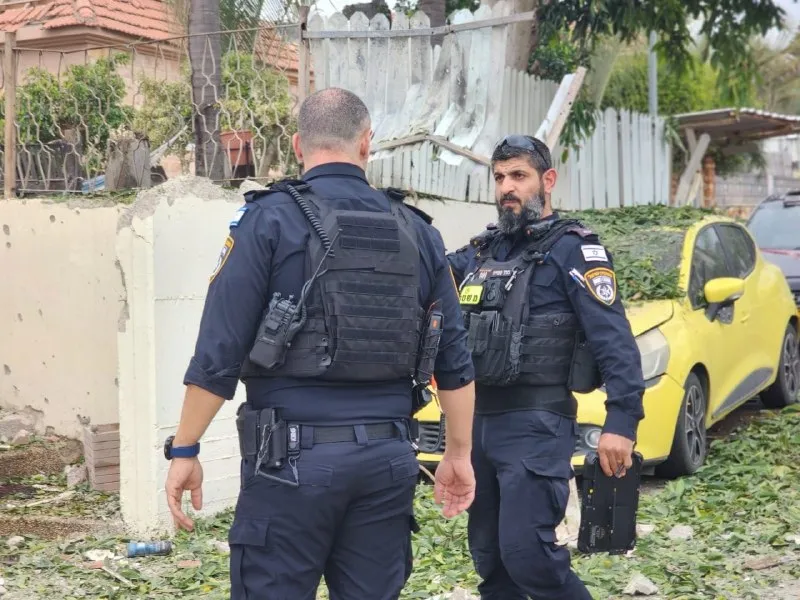
The commander of the Sharett police station in southern Tel Aviv said, “I thank the police commissioner and the Ministry of national security for deploying a Border Police unit in the south Tel Aviv area. We have developed an organized work plan, and we are specifically targeting drug trafficking activities in the area. I cautiously say that we are feeling small and positive changes occurring on the ground.
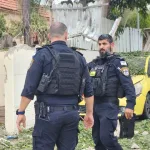
Chief Superintendent Erez Ron, commander of the Border Police in Tel Aviv, said, “We have doubled the number of Border Police officers operating in the south Tel Aviv area, which has led to an increase in arrests as needed. We conduct governance operations in the area. We know how to support the community when necessary and enforce order and law at the same time. We work routinely with the Tel Aviv Municipality. We carry out major operations in collaboration with all the relevant authorities. If the plan to establish a Tel Aviv Border Police division comes to fruition, we will see accelerated changes in the process.”
A member of the Eritrean community in south Tel Aviv said, “Our children have no horizon beyond finishing high school. We need to provide the youth with appropriate activities and development opportunities so that they do not enter the cycle of crime. I do not want to be a refugee in Israel. If the dictatorship falls in Eritrea, I will return to my country.”
Committee Chair MK Foghel said in conclusion: “If we do not take the relevant steps, we will not succeed in addressing the problem at its root. A summary of the discussion, including all the issues that were raised today, will be distributed to government ministries and relevant authorities. We will make an effort to hold a joint discussion with the Internal Affairs [and Environment] Committee. We must not allow the problem in south Tel Aviv to continue and grow.”
Related Topics