










Knesset Press Release • October 29, 2025
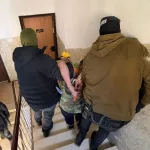
The national security Committee convened on Wednesday to discuss the need for an immediate security response to the phenomenon of illegal infiltration into the country.
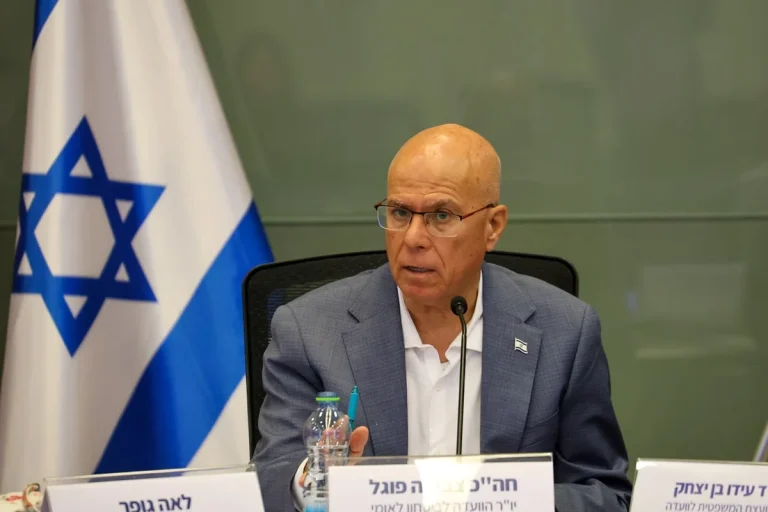
Committee Chair MK Tzvika Foghel (Otzma Yehudit) said, “Many infiltrators cross the border daily, the fence is breached, and it is not clear enough who is in charge of its maintenance. The lenient punishment, the economic incentives for the infiltrators and employers – all these create a potential for a terror attack at any given moment. We see the involvement of illegal aliens in crime and terrorism, and we continue to monitor in order to respond and stop the damage to Israel’s sovereignty and the security of its citizens.”
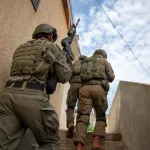
A senior officer in the IDF Central Command said the army is paying close attention to the infiltration and is making daily efforts to curb the phenomenon. According to him, while the security barrier is mostly in place, there are gaps in some areas. He presented data to the committee and mentioned that detention facilities had been opened and the rules of engagement have been adjusted in coordination with the Israel Police and the border Police, also in the Gaza border region. “There are ambushes, special forces, and large defense forces in areas where we see that crossings are taking place. Where the fence is inadequate, we have observation systems and obstacles,” he said. The officer noted that since the war began, the number of entry permits issued has been significantly reduced, and currently stands at 8,000.
MK Alon Schuster (Blue and White – National Unity Party) emphasized the importance of fighting illegal crossings by all means. MK Simon Davidson (Yesh Atid) voiced skepticism about the figures and said he preferred to hear from the residents on the ground. “Is there a budgetary problem to fix the breaches? Do you fear that the gaps may widen?” he asked.
The IDF official said the army is preparing for various scenarios and that 85% of the fence is in place. “Where there is a gap, there is a technological infrastructure and the forces are active on both sides of the fence to ensure effective operations,” he said. “As for the permits, they are issued to vital workers.”
Superintendent Yaron Kanter of the Israel Police’s Prosecution Division presented data showing an increase in enforcement measures against infiltrators. He explained that previously, indictments were filed after a third illegal entry, but since the start of the war, they are filed starting from the first entry.
Adv. Yair Matok of the Ministry of National Security noted that before the war, there were 100,000 permits, but now there are only 8,000 special permits, as noted by the IDF representative. “So far, about NIS 70 million have been spent on security components in localities that are under our responsibility,” he said, adding that efforts have been made to advance legislation for increasing fines and minimum prison sentences.
Adv. Dganit Cohen Williams of the State Attorney’s Office said 115 appeals have been heard in district courts this year concerning the detention, employment, and transportation of infiltrators, with 23 of them filed by the state. She said that in their rulings, the courts discussed the need for stricter penalties, including larger fines and imprisonment.
Committee Chair MK Foghel said in conclusion that a classified debate would be held to delve deeper into the data. “I feel that we have made progress, but sanctions need to be increased for those who cross, to strengthen deterrence,” he said.