

















By Pesach Benson • February 15, 2026
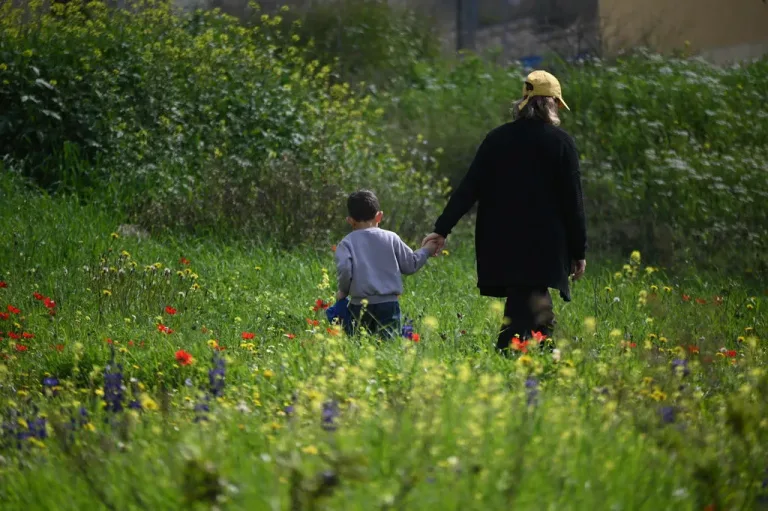
Jerusalem, 15 February, 2026 (TPS-IL) — Nearly one in four single mothers in Israel has never been married, according to new data released by the country’s Central Bureau of Statistics on Sunday, marking a significant shift in one of the world’s most family-oriented societies. Sunday marks Family Day in Israel.
The finding represents a notable departure from traditional norms in Israel, where marriage rates remain exceptionally high and family life has long been considered sacrosanct across religious and secular communities alike. The 22% figure suggests growing acceptance of single parenthood by choice or due to circumstances outside marriage.
The comprehensive family snapshot, released Sunday, reveals that Israel had 2.33 million families in 2024, up from 1.99 million a decade earlier. Single-parent households numbered approximately 138,000, with 82% headed by women.
“This data shows Israeli society is modernizing in ways that might surprise outsiders,” said demographic researcher Maya Cohen. “We’re seeing parallel realities — traditional family structures remaining dominant while new patterns emerge, particularly in urban areas.”
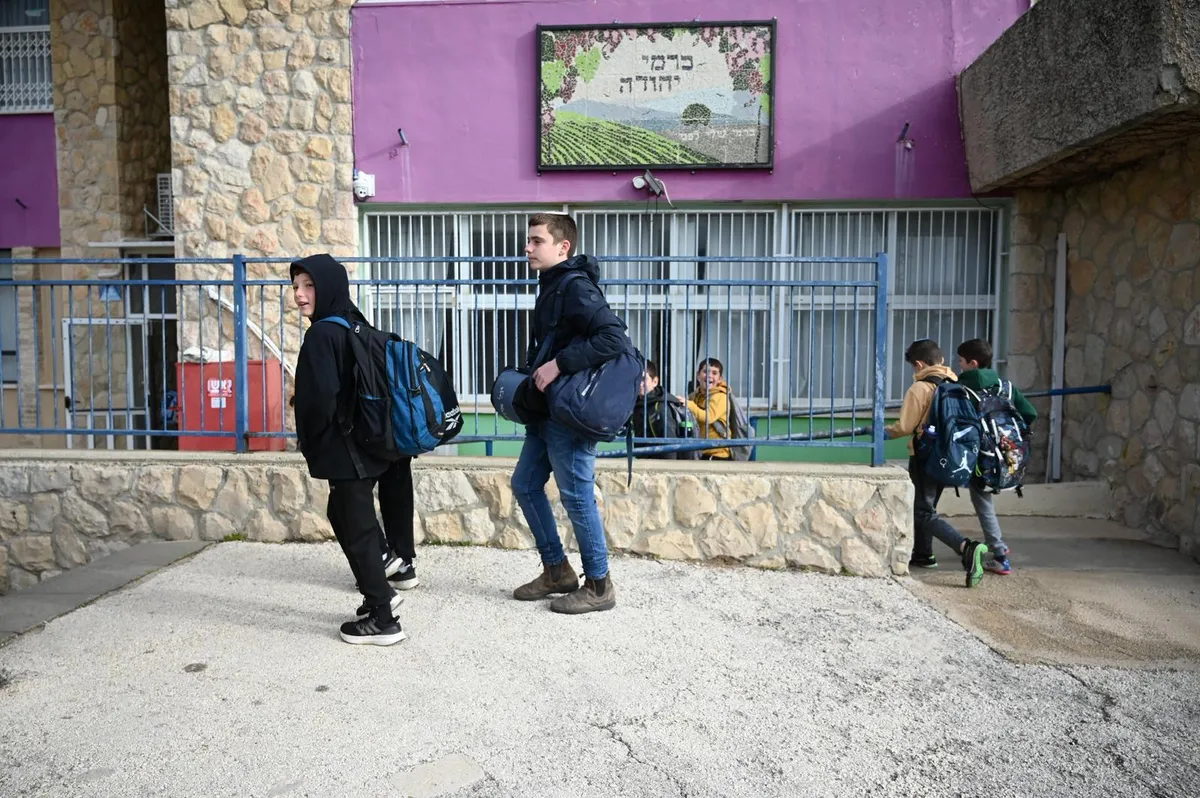
The statistics expose stark geographic and cultural divisions within Israeli society. In Beit Shemesh, a city with a large Orthodox (Haredi) population, families average 5.06 people, and 72% consist of couples with children. By contrast, cosmopolitan Tel Aviv shows an average of just 2.96 people per family, with 41% being couples without children — the highest rate nationwide.
Among Jewish families, size correlates strongly with religiosity, with Haredi families significantly larger than secular ones. Arab families, comprising 19% of Israel’s population, average 4.32 members compared to 3.60 for Jewish families.
Despite its reputation as a marriage-oriented society, Israel now has approximately 121,000 couples cohabitating without marriage — about 6% of all couples. While modest compared to Western Europe, where cohabitation often exceeds 20%, the trend marks a departure from tradition. Notably, 70% of these unmarried couples have no children, suggesting many view cohabitation as a pre-marriage phase rather than an alternative family structure.
The data also reveals remarkably high workforce participation, with 96.2% of couple households with children having at least one employed member. This figure rises to 97% when the youngest child is aged 18–24, reflecting strong economic pressures and work culture.
Israel’s extended family networks remain robust, with 53.7% of children in foster care placed with relatives rather than strangers — far higher than in most Western countries. This statistic underscores the continued importance of family ties even as household structures evolve.
Israel marks Family Day on the Hebrew anniversary of the death of Henrietta Szold, an American-born Zionist leader, educator, and social activist. Szold, who died in 1945, founded Hadassah, the Women’s Zionist Organization of America. Her emphasis on healthcare, education, and children’s welfare profoundly influenced the infrastructure of the future state of Israel.
Related Topics