



















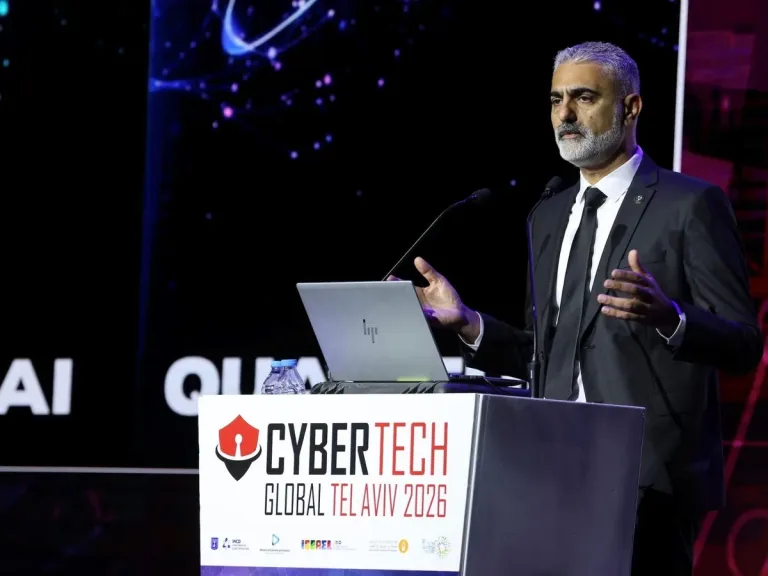
DG of Israel’s National Cyber Directorate (INCD), Yossi Karadi, revealed today (January 27, 2026) at the Cybertech Global Conference, for the first time, the scope of cyber incidents handled by the Directorate during 2025: more than 26,000 cyber incidents – a 55% increase compared to 2024.
The three most targeted sectors this year were the financial sector, government institutions, and digital service providers. Many of the incidents were detected and halted with no damage, while others caused significant harm to the affected organizations, connected entities, or information assets.
Karadi emphasized that the proposed CyberSecurity Law, whose memorandum was published for public consultation a few days ago, marks a historic milestone:
“For the first time, the law will define what national cyber defense means in Israel. It will regulate the obligations of essential organizations and digital service providers to meet security standards in order to protect public security and daily life, and will establish reporting, supervision, and enforcement mechanisms to handle significant cyber incidents. The law aligns Israel with international standards and anchors cybersecurity as a national interest, rather than a voluntary decision by each organization.”
Karadi also presented Israel’s new national multi-year cyber plan, focusing on three core pillars: cloud security, Cyber-AI, and readiness for the quantum era. At the same time, the program promotes the strengthening of national infrastructures, detection and response capabilities, national defensive platforms, and the establishment of national labs in artificial intelligence and deepfake technologies.
In addition, Karadi highlighted the importance of close cooperation between government and Israel’s cyber industry, as well as international partnerships:
“We cannot choose when the next war will break out – but we can choose to be ready. The government sets strategy and leads national defense, but it is Israel’s cyber industry, with its innovation, agility, and operational experience, that enables Israel to be prepared for the first cyber-based war.”
In this context, Karadi noted that in the past month Israel signed a strategic cybersecurity cooperation agreement with Germany, and launched a Maritime Cybersecurity Center of Excellence together with Greece and Cyprus.
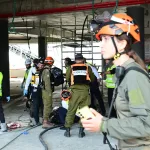
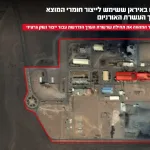
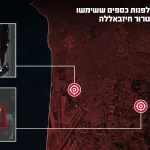
At the opening of Karadi’s speech, a short film was screened depicting a scenario of a large-scale cyberattack against critical infrastructures and essential services – the world’s first short visual scenario of its kind.
Related Topics