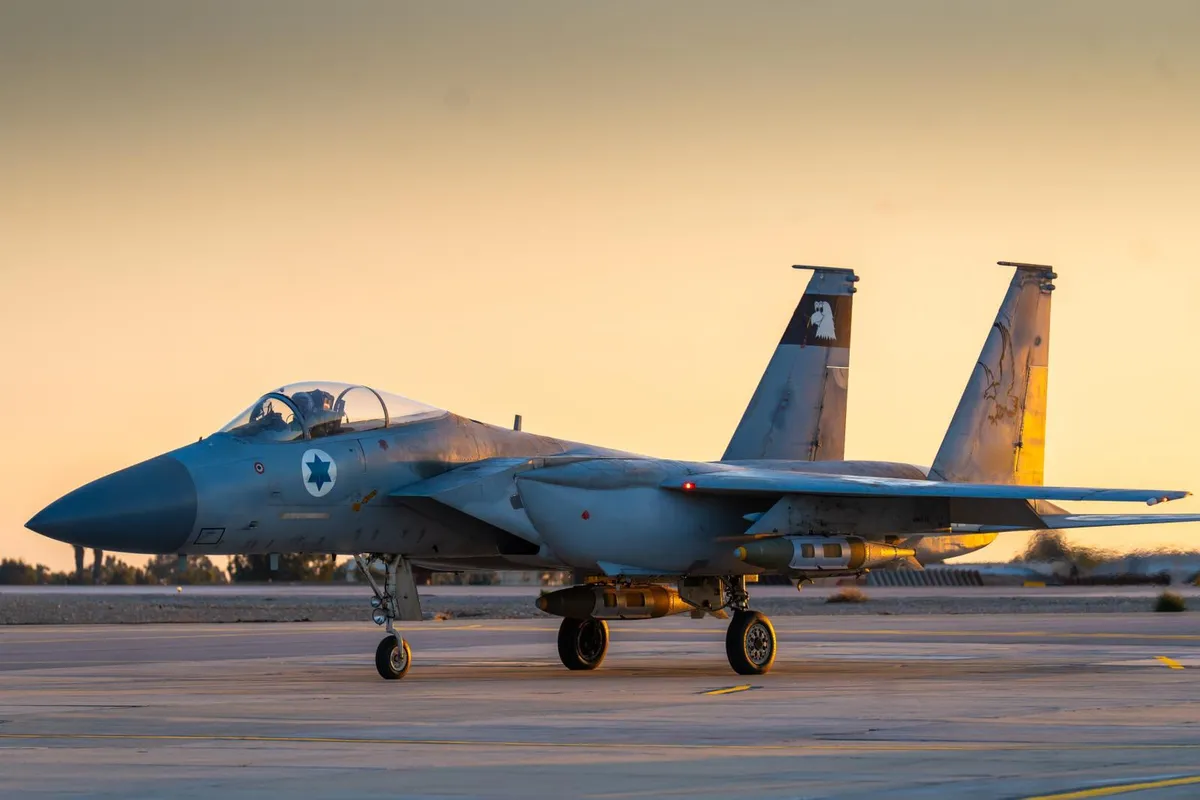



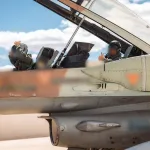
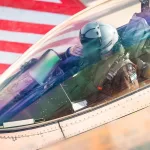


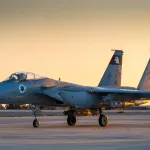










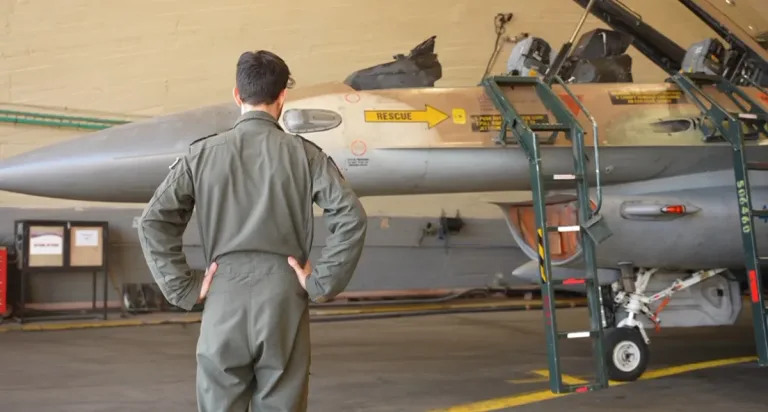
The first sortie in the current round over Iranian skies was an event of historic proportions – one that makes you pause and take a breath. But the reality in the fighter jet is entirely different – and immediately after completing the opening shot of ‘Lion’s Roar’, Major (Res.) H., a fighter navigator in Squadron 105, returned to his position – moments before another takeoff.
As we manage to have a conversation, he has already completed no less than four sorties, and upon completion of this one, he will proceed to another. “Basically, our life in war is to go out on an attack, return to Israel, rest a little, and repeat,” he begins, laughing. “And however complex it may sound – this is exactly what we have been preparing for for so many years.”
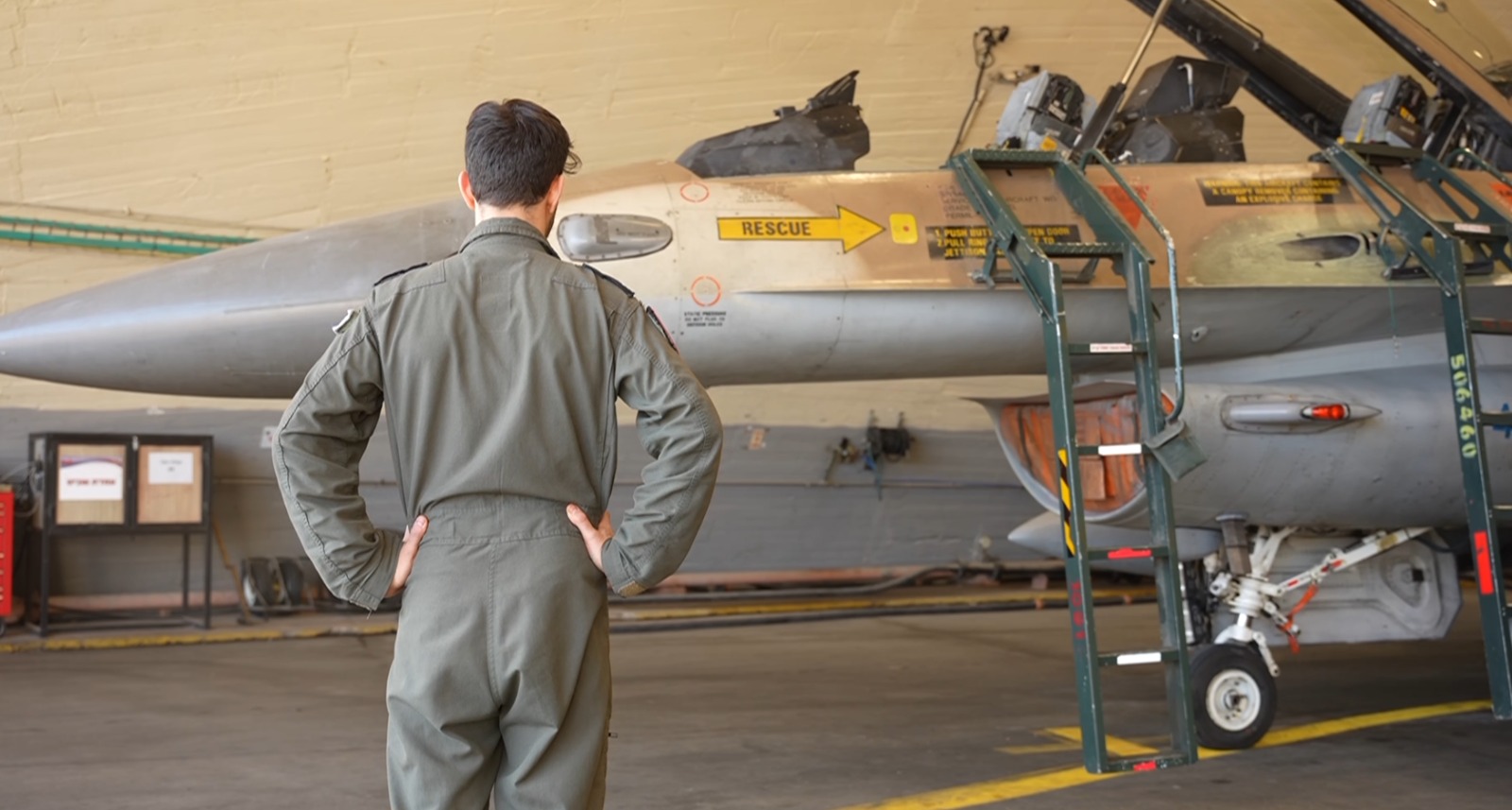
“For most people, the attack began on Saturday morning,” says the fighter navigator, “but for us – it has been alive, existing, and close for several months – just waiting for the opening whistle.” And with much effort and training behind them and ahead of them – it happened.
On his first flight in the operation, Major (Res.) H. went straight into the mission that sounds self-evident in the Air Force’s language, but in practice dictates everything that follows: ‘Air Superiority’. “We tried to create an atmosphere that would allow our fighter jets to operate freely over Iranian skies,” he explains. “In practice, this means you first neutralize what threatens you below – so that the airspace is completely clear of danger.”
For him, this translated into one concrete mission: to attack surface-to-air missile batteries in Iranian territory. And the journey there, like the mission itself, is long and complex. “Unlike places close to the border, like the Gaza Strip or Lebanon, Iran is a completely different story. Sometimes it takes more than an hour just to reach the border, and from there – well, it depends on how deep you go. In total, from the start to landing back in Israel, it took us about four hours.”
And for him, it’s impossible to talk about the current operation without returning to the one he participated in about 9 months ago – ‘With the Lion’. “Many things look different today, but in my opinion, the main difference is in our capability. We are coming this time with operational experience that you can’t gain from any exercise. We have already experienced the theater, we have improved, and this gives a lot of confidence and certainty to the current campaign.”
Another significant difference he notes is the organized cooperation of the US military with the Israeli Air Force. “There are things where the Americans are the professional authority and we can learn a lot from them, and there are cases where the opposite is true. Synchronization is what’s important, and so far – it’s working amazingly.”
But Major (Res.) H. emphasizes that the most significant synchronization starts from home: “I depend on the one flying before me, and the one behind me depends on me. It’s not ‘I’ – but ‘we’, and there is very high synergy for everything to work well. In the end, everyone understands they are a small cog in a huge system.”
And the second a plane lands, no matter what the attack objectives were or how long it took to complete, the first action aircrews take upon disembarking is to thank the technicians. “They are the ones who give you a functional aircraft, ensure you returned home safely, and enable this crazy sequence to continue. The support system, which takes care of every small detail – that’s the secret sauce.”
Ultimately, among the dozens of attacks he has carried out throughout his regular and reserve service, Major (Res.) H. doubts if anything will compare to his feelings, even as you read these lines, while he is high up in the skies of Iran – directly protecting each and every one of us. “You are taking part in history, and it is very exciting and significant,” he testifies with a smile, “I definitely believe this is the highest professional and human peak I will reach in my life.”
Related Topics