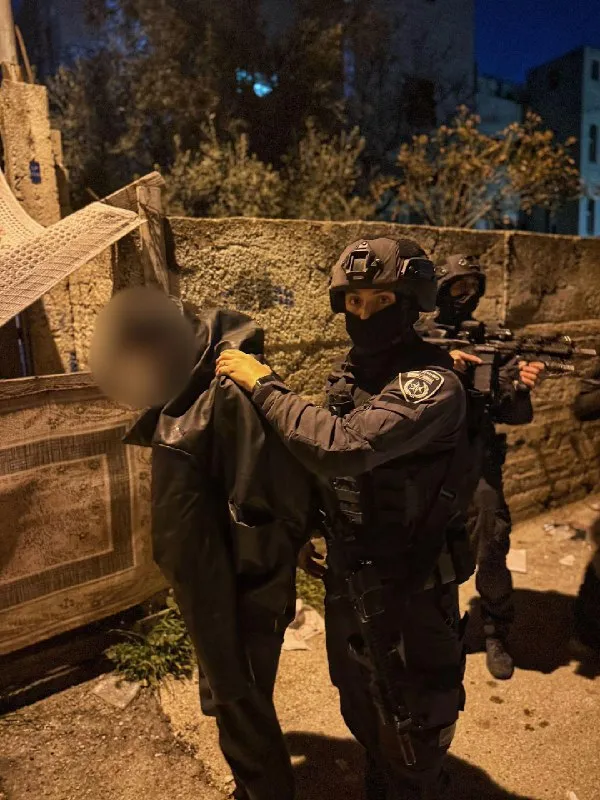






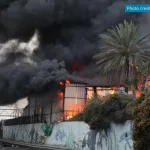

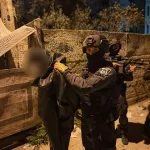
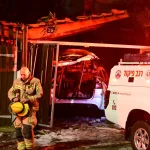


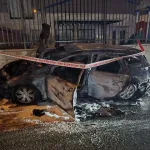
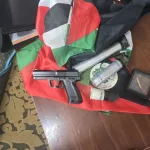



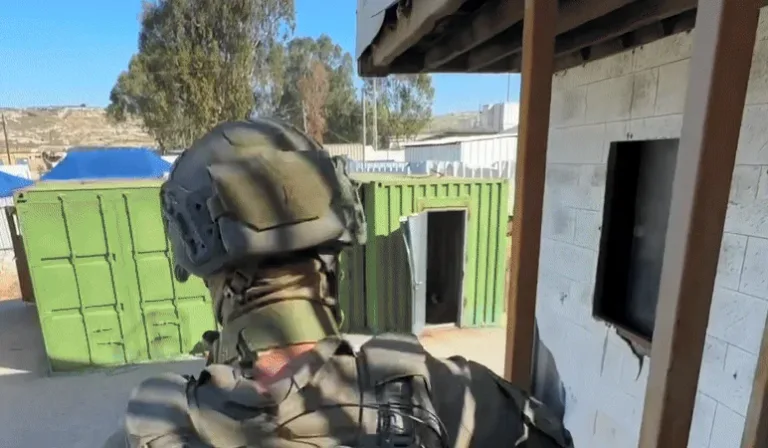
What if I told you that by 12 PM, I had survived 3 assassination attempts? Luckily, it was just a drill by the Central Command’s Unit for the Security of Senior Officials (8133), where they practiced anti-tank fire at a convoy, a suspicious object during a stroll through the streets of Tel Aviv, and a face-to-face encounter while driving. Whether far from the border or in the office at the base – these scenarios are well-known to every security operative.
“We are essentially responsible for securing all current and former senior IDF officials, headed by the Chief of Staff – which is essentially our flagship mission,” says the unit’s company commander, Major Y. “This also means we will join strategic delegations abroad. In simple terms – the IDF protects the country, and we protect the IDF.”
Last Sunday, at a training facility in the center of the country, the unit practiced another typical day designed to simulate a senior official’s schedule. “We changed several configurations there. First, anti-tank fire, then a face-to-face encounter, and more. Initially, we arrived in ‘Davids’ [armored personnel carriers] into combat zones – and while we were training, an explosion sounded right next to us, and we immediately began evacuating him from the area.”
A few hours later, they shed their gear, changed into civilian vehicles and clothes, and even the weapons they carried. “Along with the senior officials, our mindset also changes – we need to adapt to a civilian scenario, which is 180 degrees different from the field, where we practiced other incidents like a stabbing attempt or an enemy presence.”
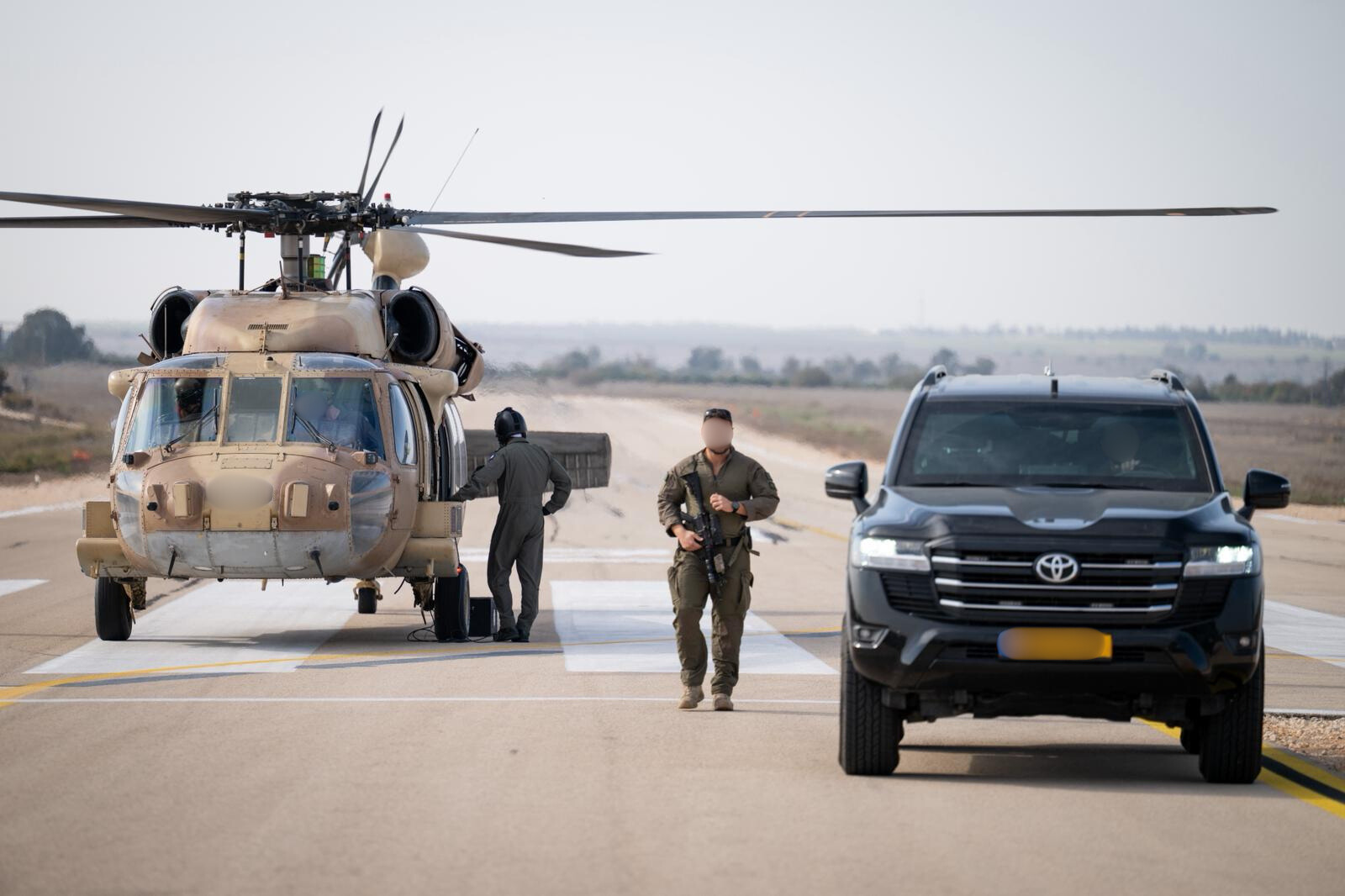
More than once, security personnel have arrived for the weekly planning meeting – only to discover that within a few hours, it had already been updated once or twice: “It has happened to me a respectable number of times that I started the day at the Kirya [IDF headquarters], a few hours later we jumped to a terror attack scene in Judea and Samaria, the next day we were already flying abroad, and upon our return, we entered a visit to an active combat zone in Gaza, Lebanon, and the Syrian Hermon. The schedule is never the same, it always changes and brings new surprises.”
“Since the beginning of the war, we have significantly changed and reinforced the security apparatus,” testifies Major Y. “Naturally, the threats have increased – even the civilian at home consuming news from their phone understands this, and of course, we also rely on intelligence reports and know that the ‘red side’ is just waiting for the first opportunity when we are not prepared.”
Unlike most units specializing in senior official security outside the IDF – here, they deal with a slightly more complex problem: securing personalities within active combat zones. “We built operational procedures from scratch, because this is truly something we hadn’t encountered before, but we also strive to learn as we go and constantly regulate what works and what doesn’t.”
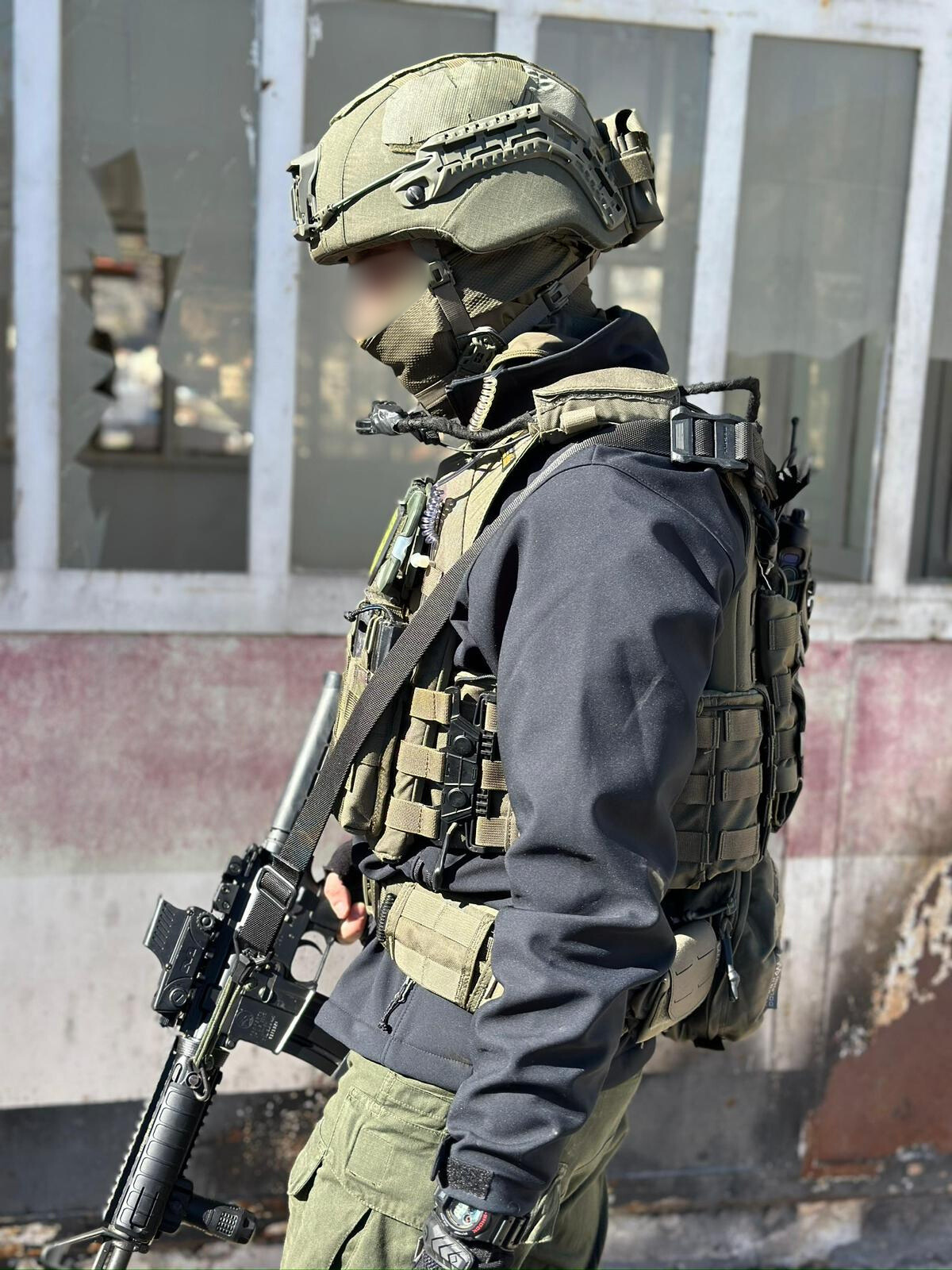
This week’s drill is part of a larger framework for maintaining the operatives’ fitness. Sometimes they will practice hand-to-hand combat, shooting, team combat, and honing their skills as a security detail – but they will also be tested against a predetermined standard. “We understand that every person here needs to be 100%. They know our expectation is that they will improve and sharpen their skills from time to time, and we try to stimulate their minds in various ways.”
But it’s not just the security personnel who are responsible for this. “Each mission has its own technological envelope and a combat team that accompanies the event: security scanners that scan the area before arrival, operational drivers who escort the convoys, and of course the security personnel – who are attached to the senior official from beginning to end,” details Major Y.
To reach the security operative role, one can come after various command and officer roles from the Infantry, Armored Corps, Combat Engineering, or Artillery corps, or through command in the Commando Brigade – in regular service or reserve. After passing selection days that include fitness tests, group dynamics, and an interview with a psychologist, candidates will undergo security clearance and begin a security operative course, at the end of which they will be qualified for the role.
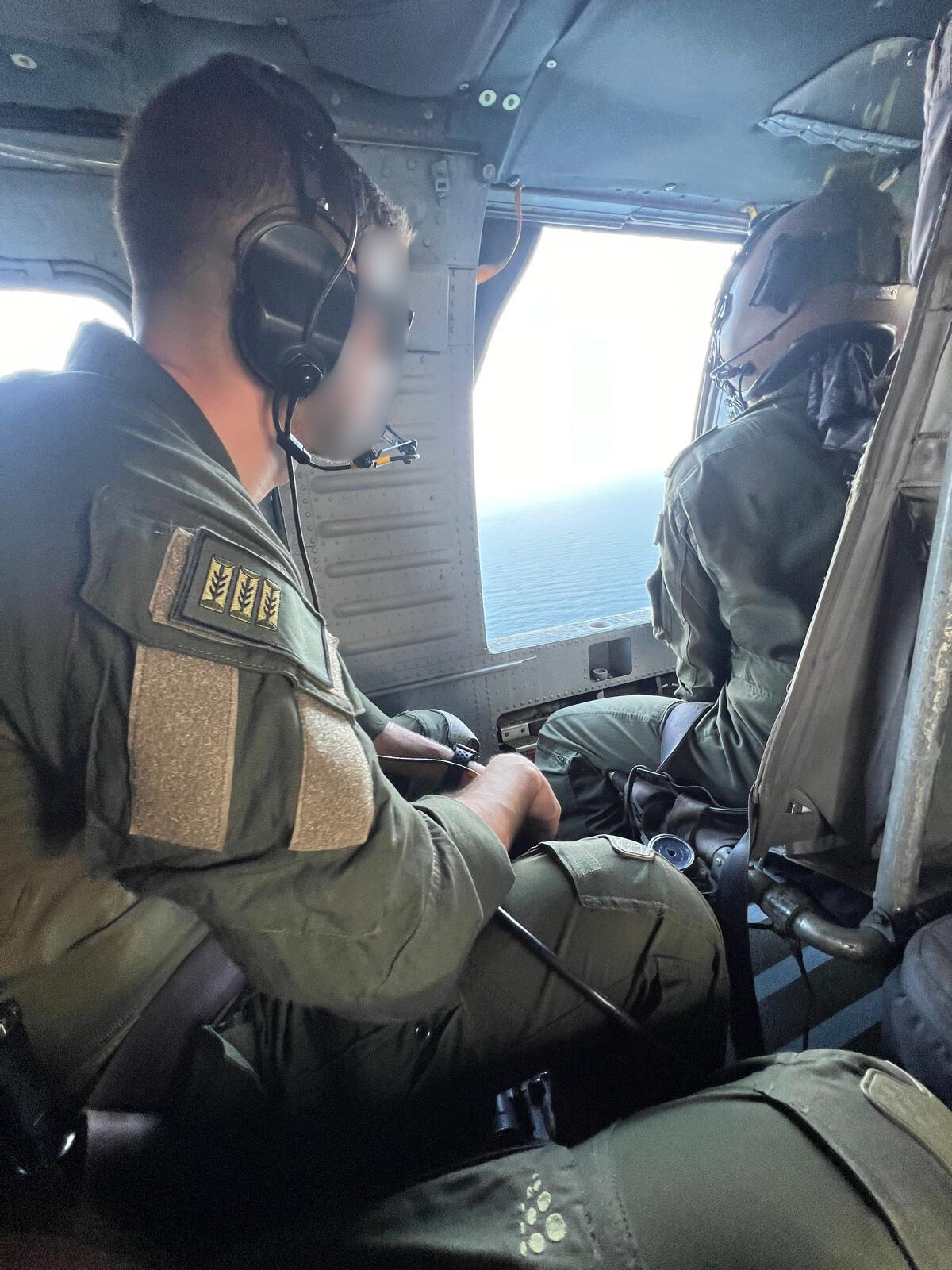
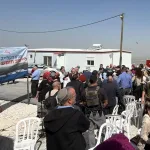
An ordinary person would likely not easily identify the threat in the crowd: “That’s part of the challenge. But we know how to look for suspicious signs, for someone who shouldn’t be there, or any attempt to get too close to the protected person – and neutralize the threat. It’s especially satisfying to know that our instincts are correct, and that we truly succeeded in thwarting an incident.”
Indeed, the unit is developing and growing, and its operatives learn from incidents they experience firsthand. “Everyone here has seen and experienced unbelievable things during their service here.” The unit also remembers its only fallen soldier from the war – on October 7th, operative 8133, Major (Res.) Itai Yehoshua, fell in battle, when he jumped to the Gaza Envelope and fought as part of the command post of Division 36 against terrorists: “We are committed to remembering him and acting in his spirit.”
“The most challenging aspect of our work is the understanding that they will inevitably try to surprise you and catch you off guard to carry out a strategic attack – the trick is to prepare for these moments, and to continue to think outside the box during training to always be one step ahead of the enemy in this three-dimensional chess game.”
Related Topics