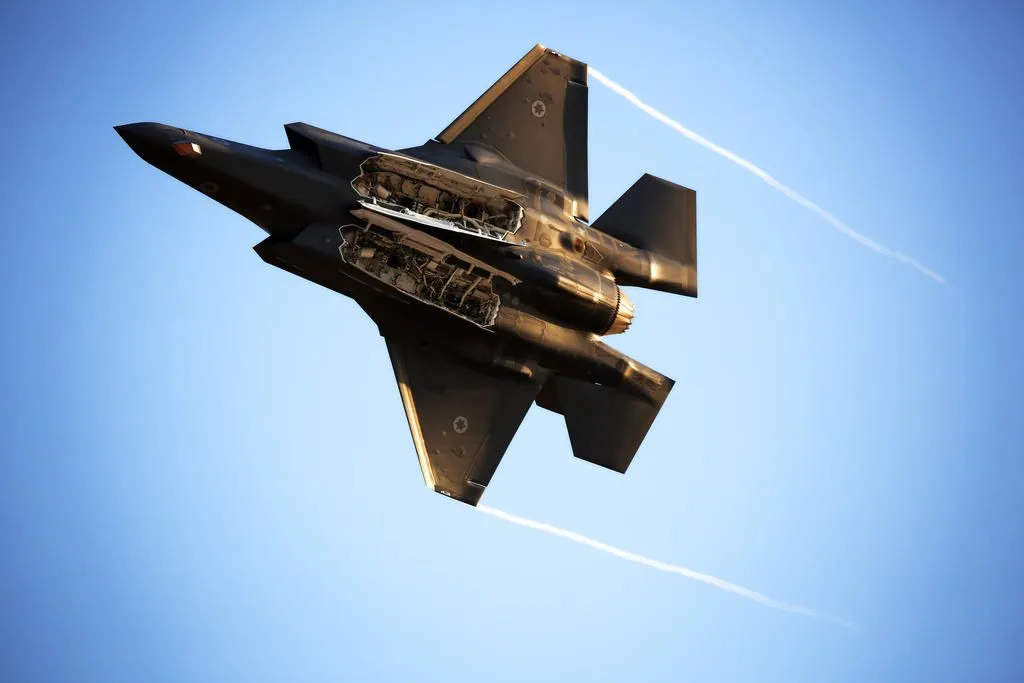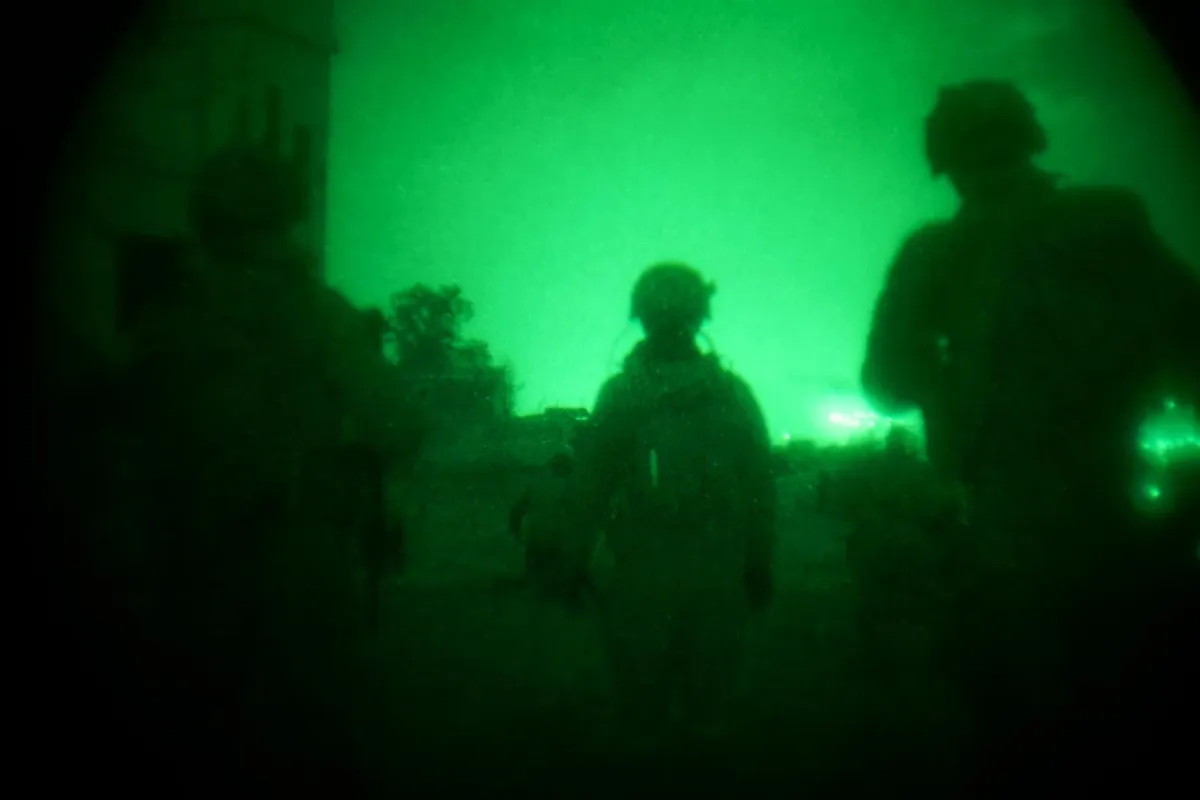





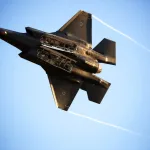



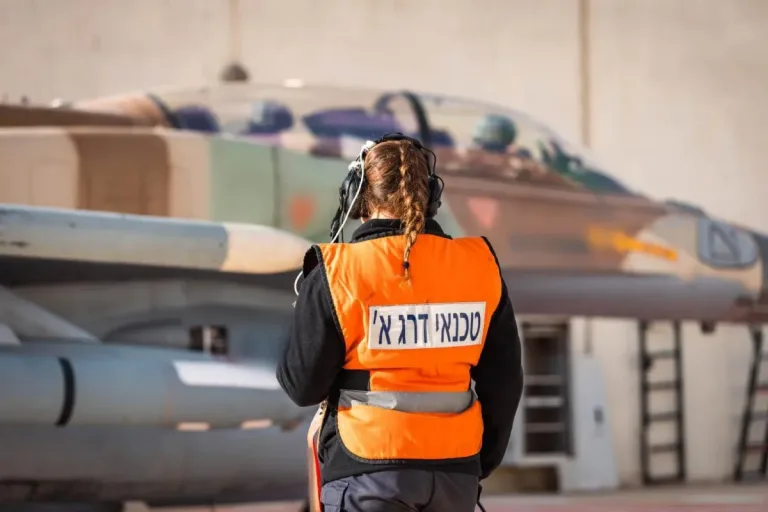
It is no secret and not at all surprising that since the operation began, the Air Force’s technical array has not turned off its engines for a moment. Every day, hundreds of aircraft pass through the hardened aircraft shelters of the various squadrons, receiving dedicated and comprehensive maintenance to ensure they are safe and fit for any mission – no matter what aircraft it is.
Those responsible for this are the corps’ technicians. “In just four days, an amount of aircraft took off and returned to the squadrons that is usually seen in four months,” states the Aircraft Mechanic Officer (MAMS) of Squadron 109, Lieutenant N’.
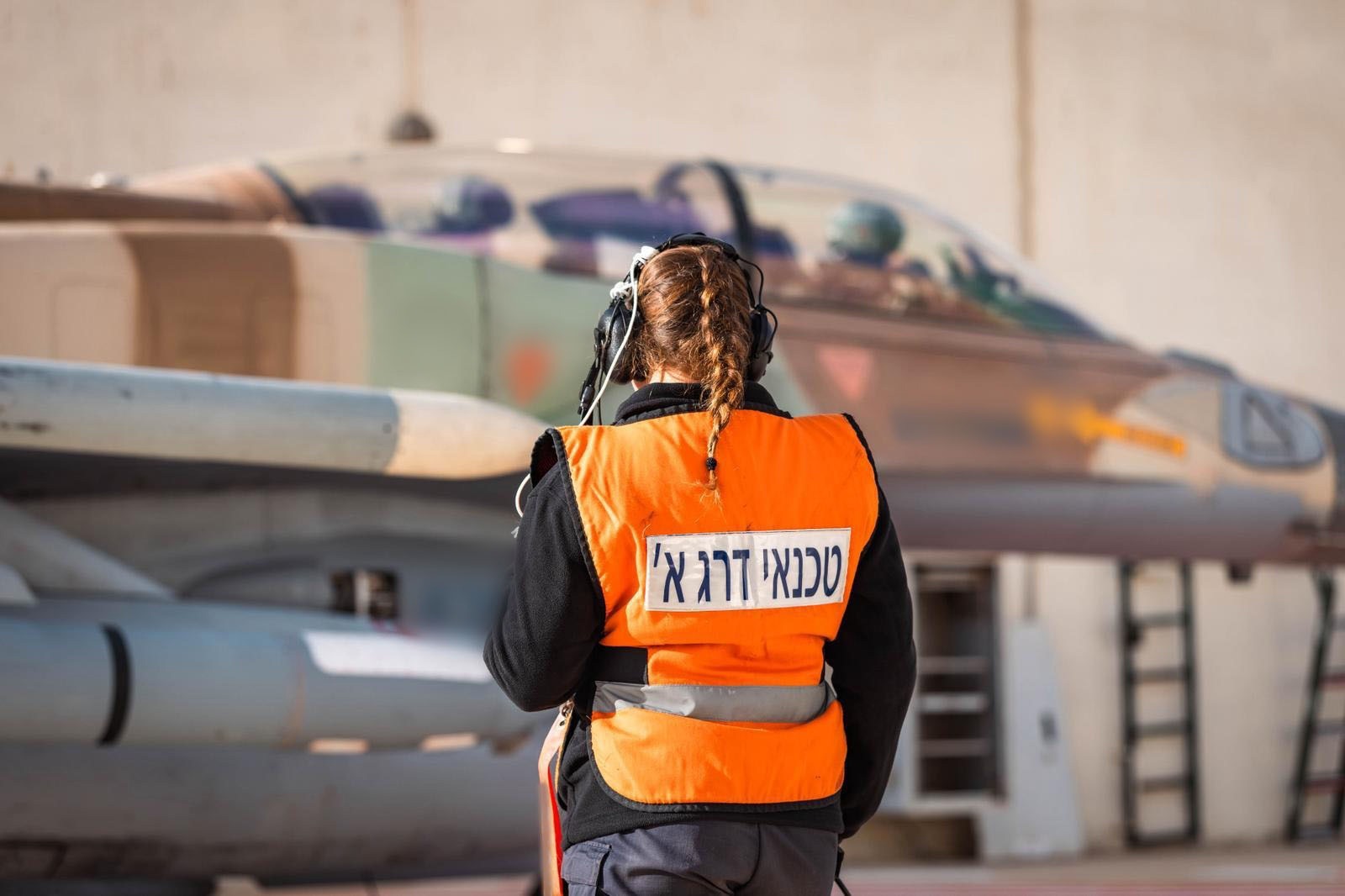
The squadron commanded by N’ sends aircraft thousands of kilometers to Iran, and the soldiers serving in it and in all the squadrons work before every takeoff and after every landing until every defect is repaired. “The array has the largest number of soldiers in the corps – without them, no aircraft is usable – literally.”
But they are not a monolithic entity, but rather divided into different tiers – A, B, and D. “Each one,” clarifies Lieutenant N’, “is called upon to handle a different severity of malfunction in the aircraft, and undergoes dedicated training according to the job requirements.”
Tier A
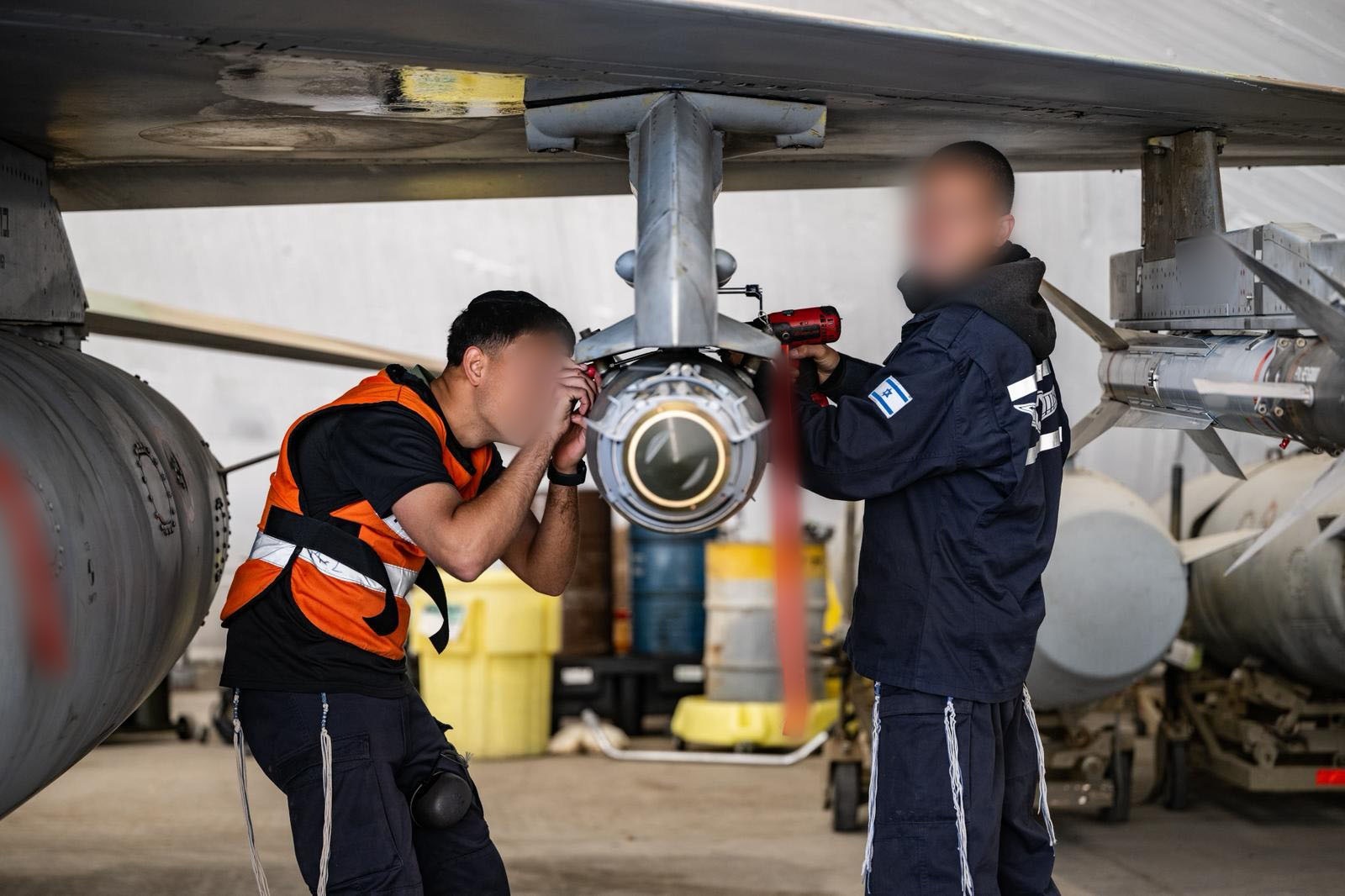
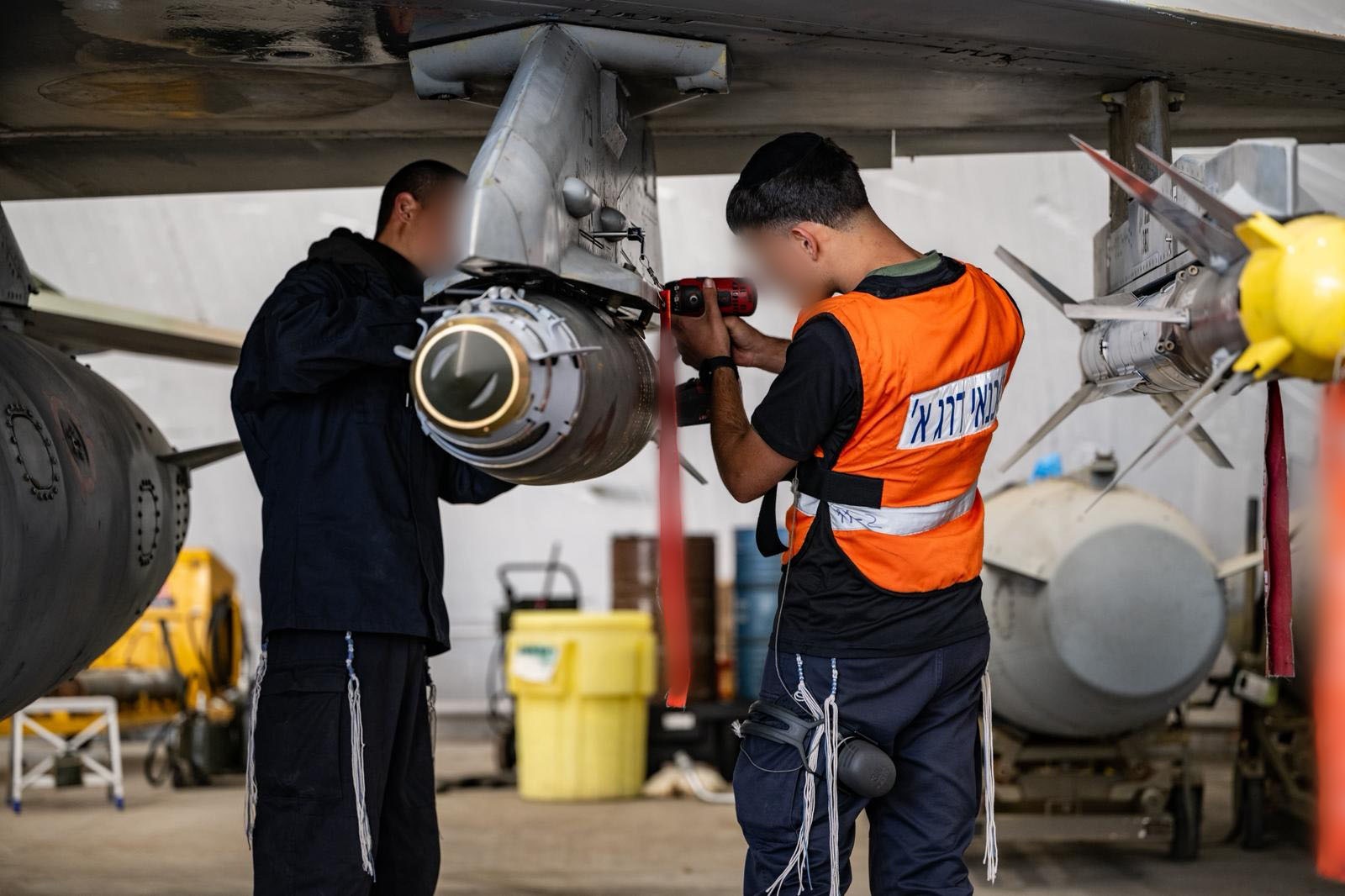
Tier A technicians are assigned to the various squadrons and are attached to the aircraft at all times. They are stationed in the hardened aircraft shelters and are responsible for preparing the aircraft for takeoff, dispatching it for a sortie, and receiving it upon landing. “Like the initial treatment a wounded person receives from a medic, so do we provide treatment to the aircraft,” she details, “In addition, their role is also to arm the aircraft and ensure they are equipped before every attack.”
One can never predict what the next disruption will be, or how long it will take to fix it. But a solution must be found, and quickly: “Unlike a training flight, if an aircraft is not fit to sortie, it could endanger the entire mission. Therefore, we work quickly and sharply, because a lot rests on our shoulders.”
Tier B
Sometimes the aircraft damage is more severe, and in that situation, Tier B technicians are called. You will find them in the various maintenance squadrons, where they disassemble systems, repair components, and perform in-depth inspections of the aircraft and its systems.
In Tier B, each team specializes in a specific area: engines, armament, electrical systems, communications, electronic warfare, or the aircraft structure. The specialization allows for professional and precise handling of the aircraft’s most critical systems.
In fact, they form a connecting link between Tier A, which handles the aircraft on the runway, and the laboratories and development projects in Tier D, and essentially – they handle complex malfunctions while maintaining operational continuity.
Tier D
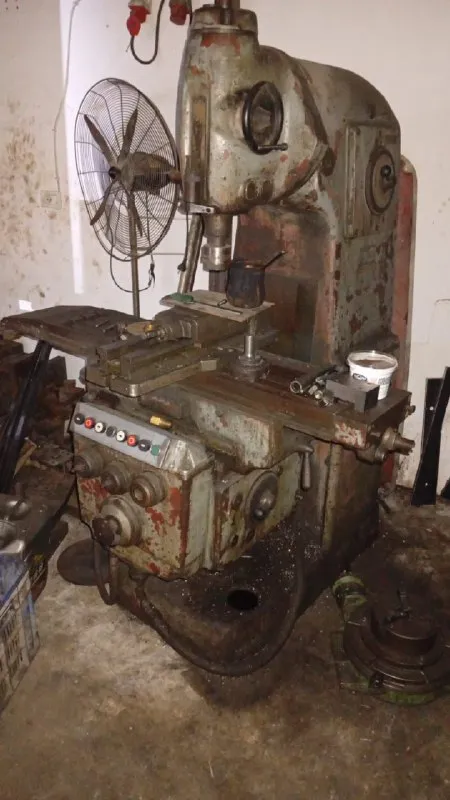
When the situation is much more serious – it’s time for Tier D, which consists of two units: YA 22 – the corps’ Central Maintenance Unit, divided into various fields according to their occupation, including: aircraft, overhauls, spare parts production, engineering, materials, and production planning and supervision (TAPI).
And Unit 108, originally the ‘Electronic Equipment Workshop’, which is responsible for the development and execution of the technological headquarters, for electronics, telecommunications, and weapon systems.
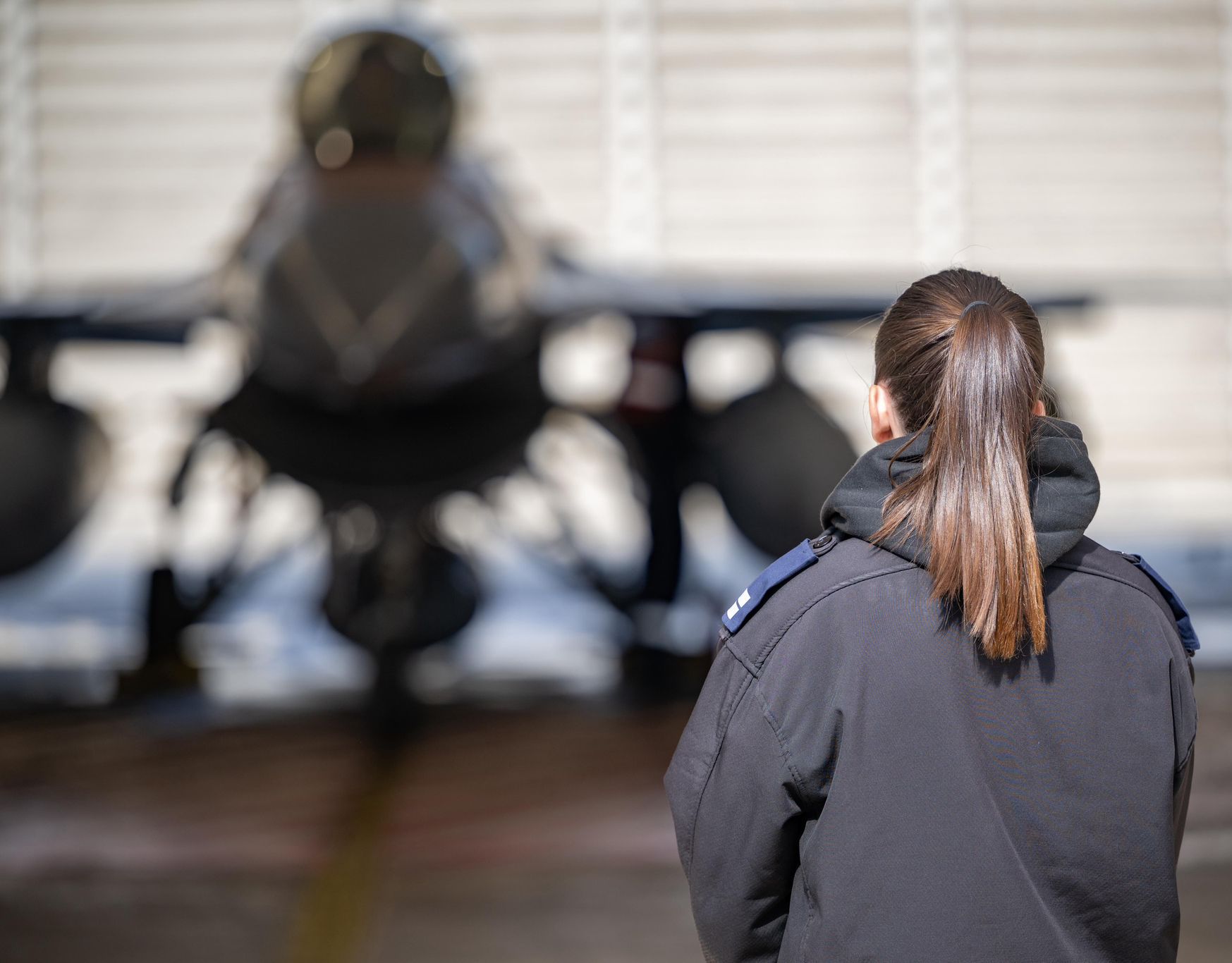
The technicians maintain and develop systems entirely independently, without relying on any external party. Thanks to them – aircraft and systems can be used for many years after their supposed ‘expiration date’.
While in Tier A, inspections take a short time, and in Tier B, maintenance lasts several weeks, in Tier D, an aircraft can be under maintenance for many months, and the technicians have a large number of different and unique professions.
Related Topics