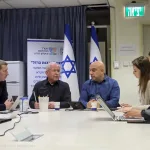


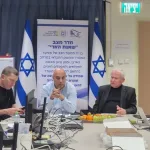

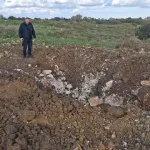
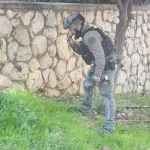
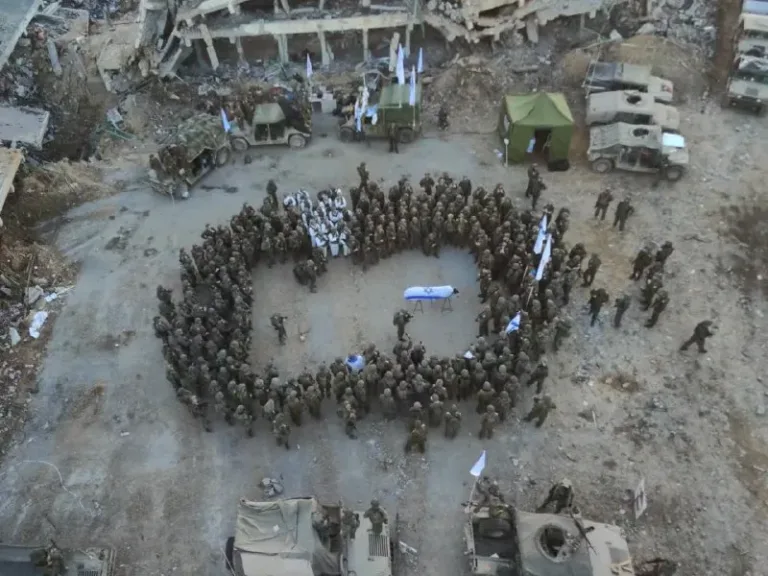
In recent days, the Alexandroni Brigade (3), the Yahalom bomb disposal unit, Unit 6017 of the Chief of Staff’s Medical Corps, and the Southern Reconnaissance Unit of the Military Rabbinate, have been operating in intensive cooperation. For two long days, they located and investigated bodies in field conditions – until the correct identification of Sergeant Major Ran Guili, may he rest in peace.
“We have been in operation since we were scrambled on October 7th,” explains Major (Res.) R’, a company commander in the Rabbinate’s Reconnaissance Unit (YASAR). “In almost every casualty event, we were required to respond and provide body handling. We were present at many difficult events – and this time too, with all the pain and complexity, we all felt a strong desire to identify him. We knew we wouldn’t move from there until we brought Ran, may he rest in peace, home.”
According to him, the unit’s personnel began training for the operation several days prior. “There was almost nothing that could have prepared us for what we did and saw there, and yet, we knew exactly what we were getting into: both in terms of the difficult content we might encounter, and in terms of professional preparation,” explains Major (Res.) R’.
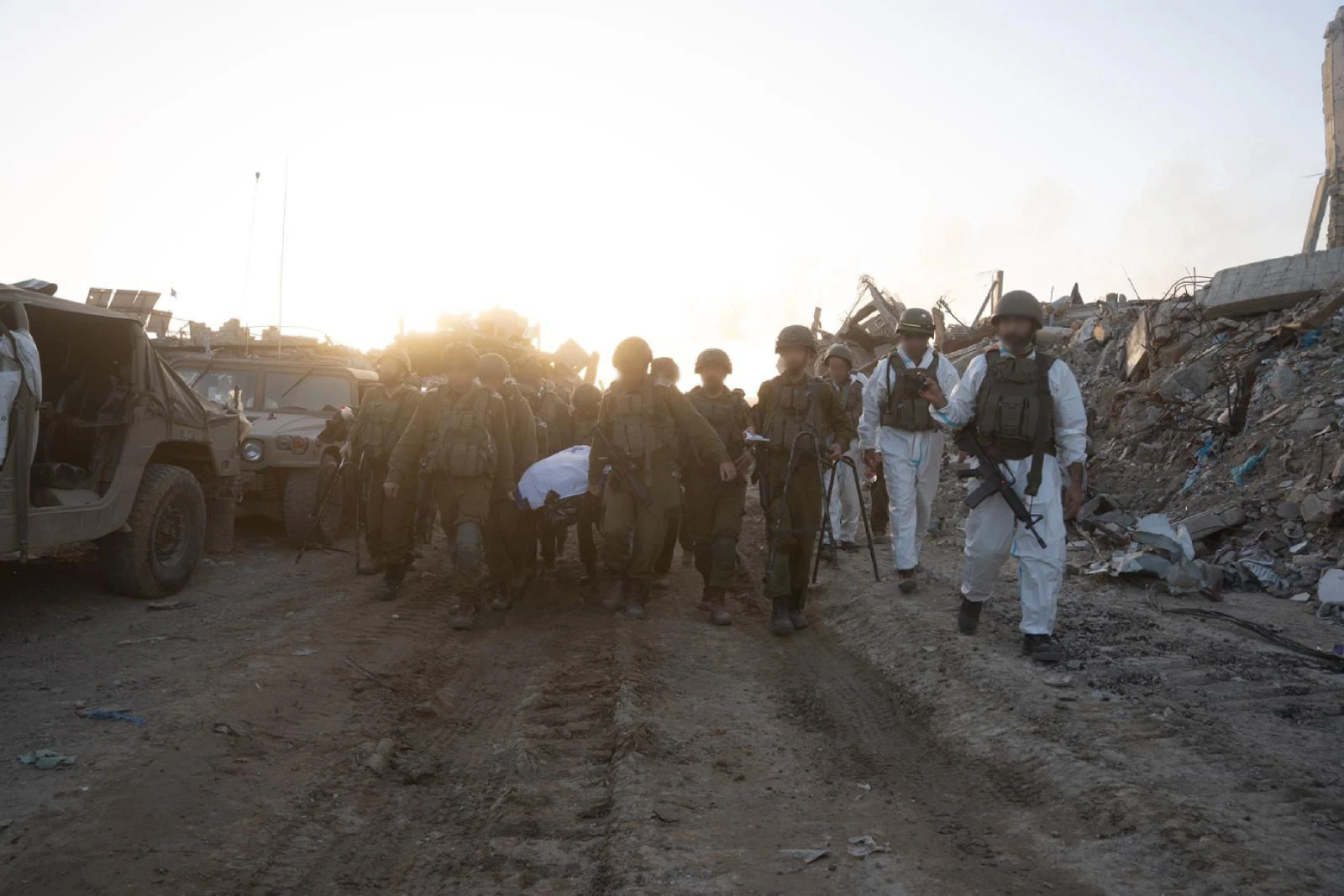
“From past experience, when we started operating without knowing the terrain sufficiently beforehand, we worked in a more dispersed manner,” he testifies. “This time, thanks to the preliminary training, we were able to concentrate solely on the mission for which we came.”
The YASAR combatants were the first to reach each body. “When we began the work of locating the graves, we extracted the bodies and handled them together with the medical personnel of Unit 6017,” describes Major (Res.) R’.
Indeed, during the operation, many doctors were present in the field, engaged in deciphering findings to locate Sergeant Major Guili, may he rest in peace. “We scanned a large number of bodies and compared dental x-rays we took in the field – with Ran’s,” tells me Major M’, a dental officer in Unit 6017, specializing in medical identification and the study of death mechanisms.
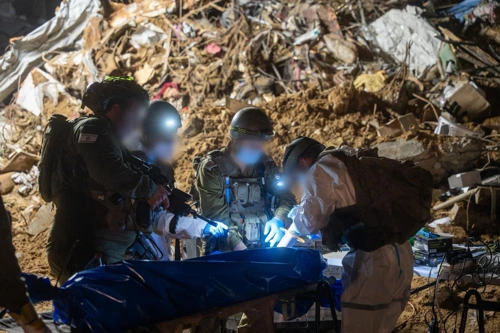
“We know the work well, and we try to achieve mental detachment. When we start a mission like this – we switch to automatic mode,” he states.
Because he is a Kohen, Major M’ could not initially join the unit’s ranks. But with the growing need for body identification in the first days after the war broke out – he insisted on taking part in the effort. “I received rabbinical permission and began assisting in the Gaza Envelope, where the battles took place. Since then, I have also participated in operations in the north, where we examined bodies to identify our fallen hostages.”
Major M’ emphasizes that this operation could not have happened without all those who contributed to its success: “This is exceptional teamwork by Unit 6017, the talented doctors of the police, the Alexandroni Brigade, and the Yahalom unit. Many other factors worked hard for the final result, which is definitely worth everything.”
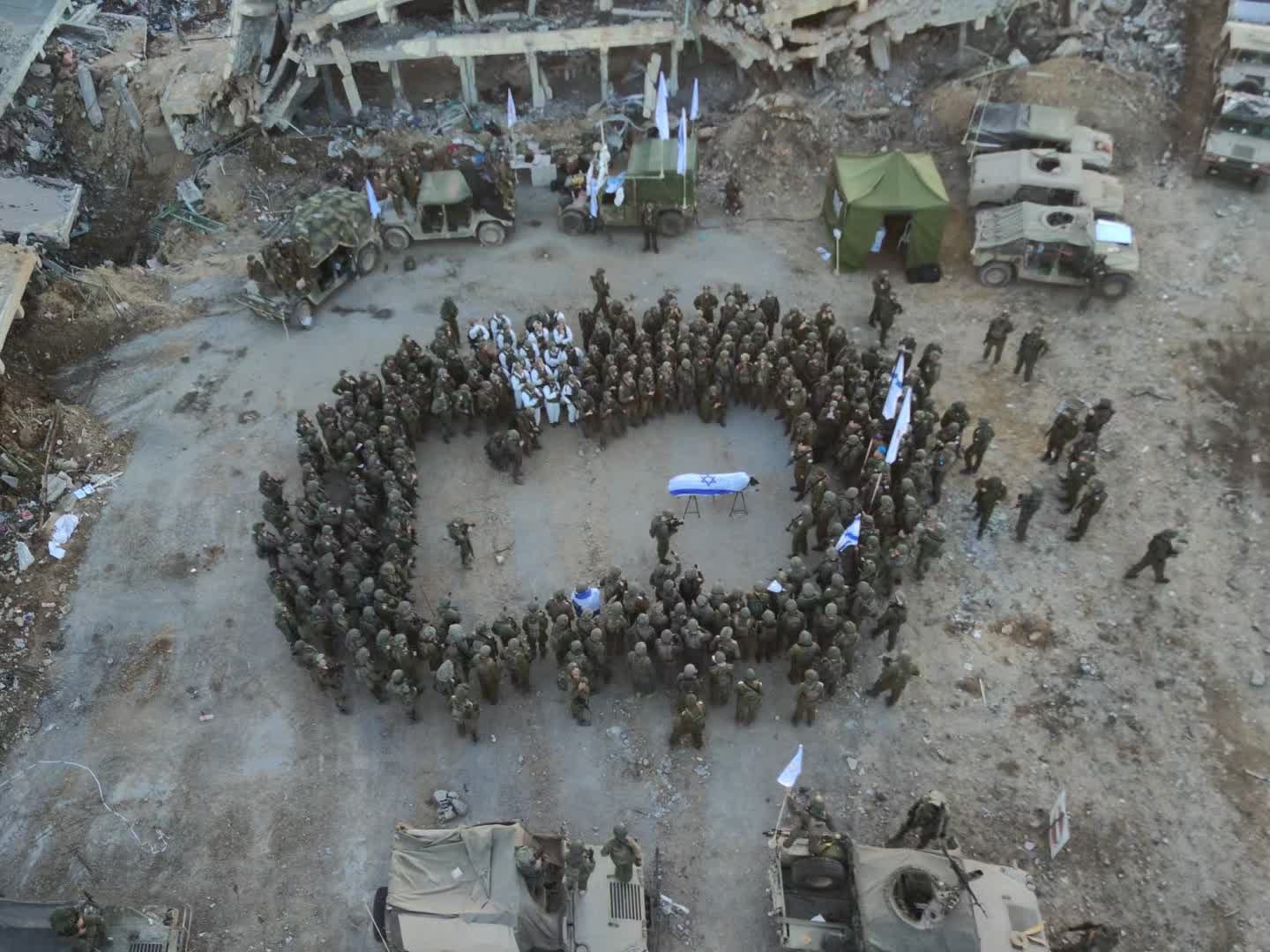
Involvement in ‘Brave Heart’ represents a tremendous sense of closure for him and his unit members. “Throughout the war, between one event and another, we repeated the message – we don’t leave anyone behind,” he says. “As those who are exposed to difficult sights frequently, our hearts also bled. Now that we have reached the identification we prayed for, we can begin healing: as individuals and as a nation.”
Major (Res.) R’ also testifies that when he learned of the operation’s success, he felt a sense of satisfaction that is hard to describe in words. “My company and I were already at the base when we heard about the identification, after 30 hours of continuous activity,” he recounts. “At that moment, there was an immediate release. We hugged, we cried, and we also rejoiced – after all, we had been waiting for this moment for over two years.”
Related Topics