











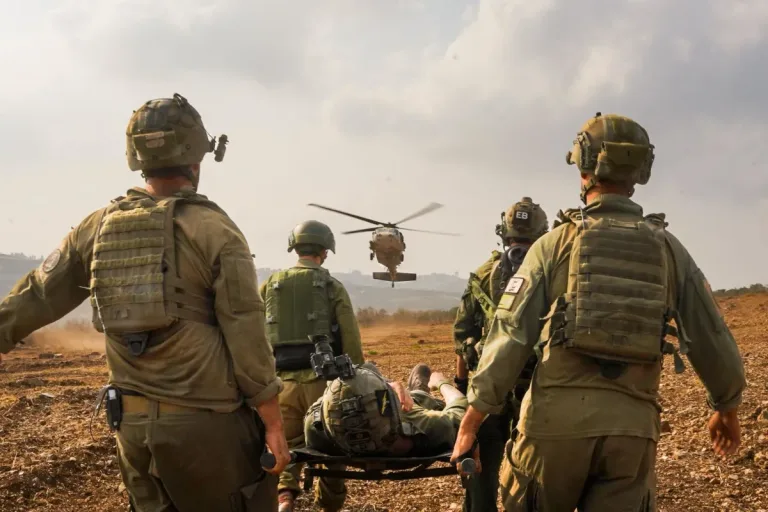
Imagine you are a combat soldier on a mission deep in enemy territory, and suddenly, a loud noise envelops your ears. You look up at the sky and see a helicopter escorting you from above. Or in another scenario: instead of marching for long kilometers where you might be exposed to danger, you board a helicopter and arrive directly at your destination, secretly and quickly.
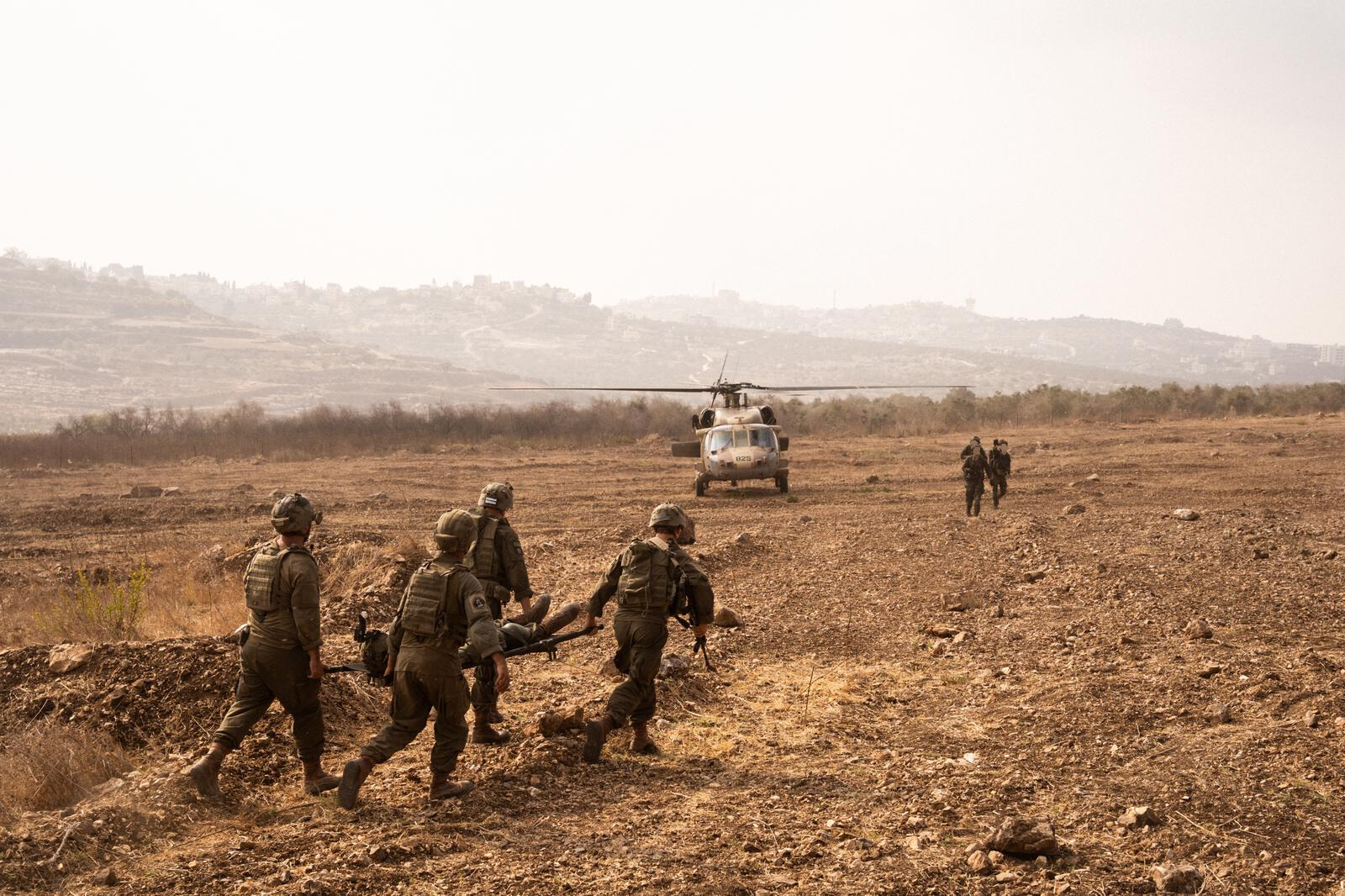
Until last year, the Judea and Samaria sector was managed almost entirely from the ground. Since then, the attack array has changed shape, with the establishment of the brigade’s air complex last August.
“We are the body responsible for force buildup, combat management of attack processes, target planning, and cooperation with all relevant complexes,” explains Major A’, commander of the brigade’s fire control, responsible for consolidating attack capabilities between the branches. “The partnership between fire, which speaks the language of munitions and targets, together with the Air Force, which translates the sky picture and air capabilities, and intelligence, which understands the ‘red team’ – creates an improved and effective team.”
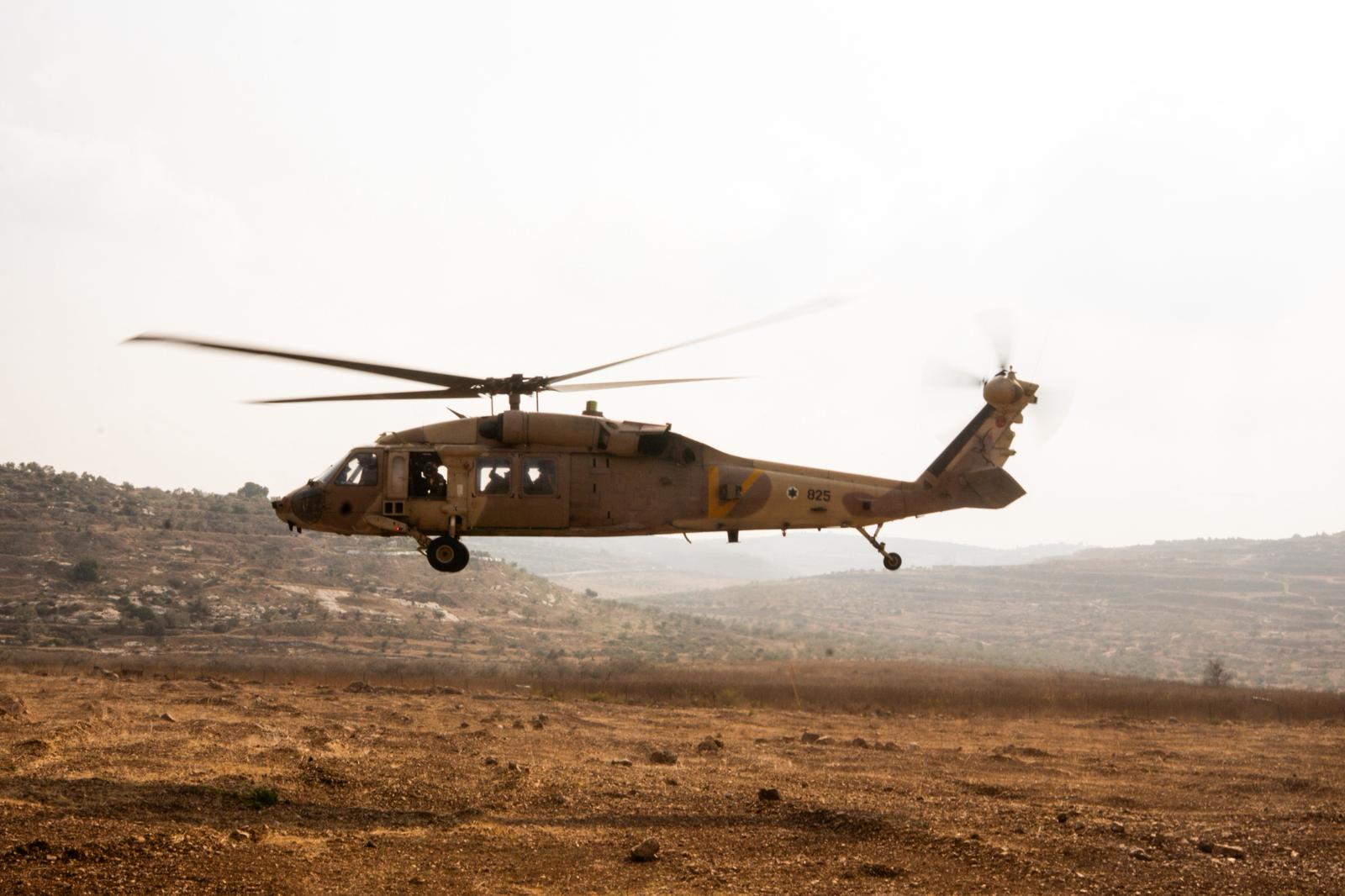
Indeed, the new complex was born with the aim of maximizing the Air Force’s capabilities – in routine security and during emergent events. This is an addition that has changed the rules of the game, enhancing the connection between maneuvering forces and various aircraft, to the point of making them a significant part of every operational activity.
Essentially, following various lessons learned from the war, the perception of the airspace in Judea and Samaria has changed, and now almost every activity receives corresponding aerial support. “Whether it’s planning landing zones for casualty evacuation, airlifting forces to a target point, deploying UAVs or helicopters for troop cover – the Air Force is there,” states Second Lieutenant T’, the branch’s representative in the complex.
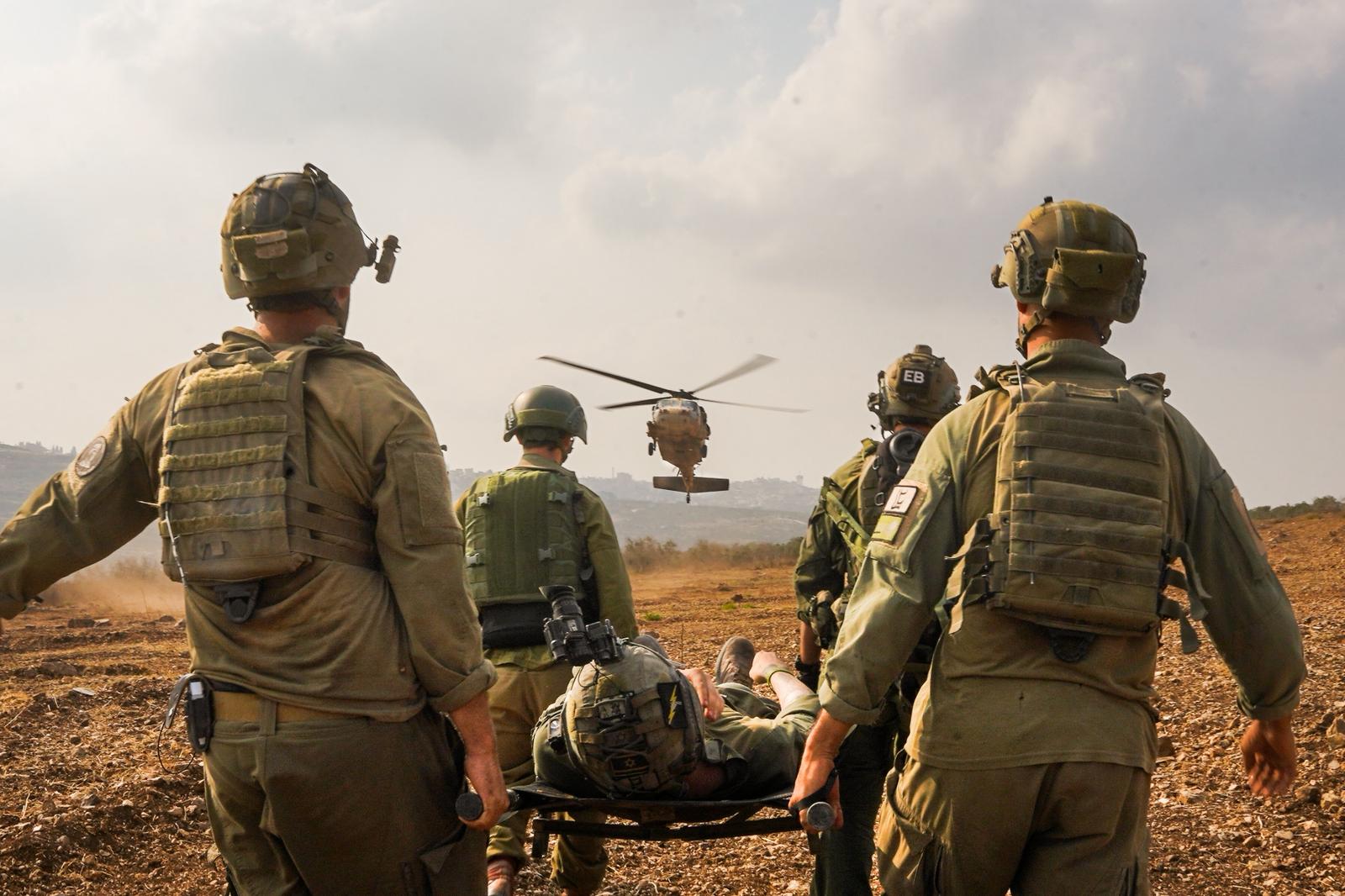
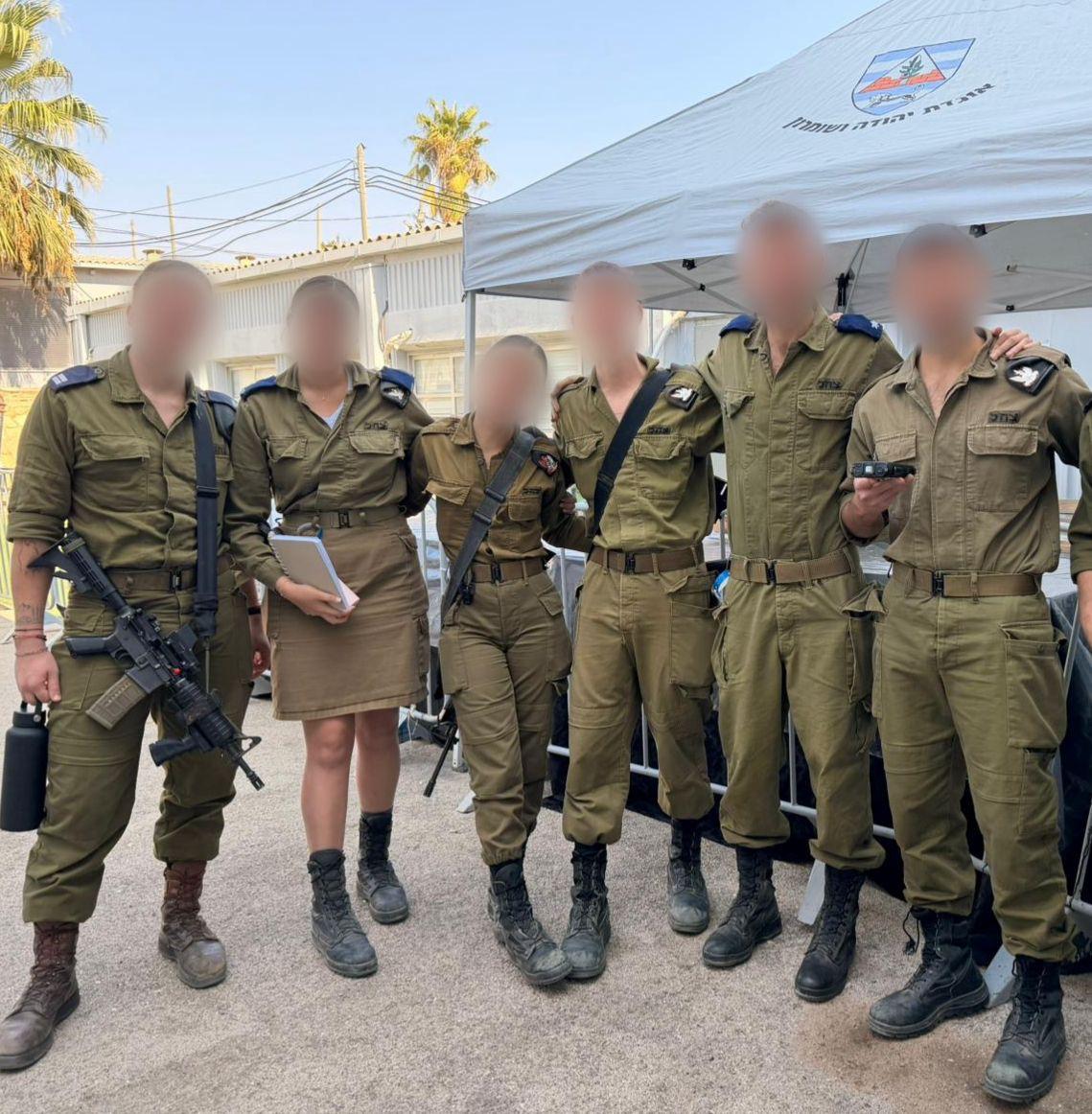
This is the first time the Air Force is physically stationed within a brigade, rather than managing attacks from the Kirya or from various Air Force bases. The representatives and control officers accompany events in the field in real-time – they sleep and live the brigade, and connect to the operational picture in all its aspects. “We know about every arrest or operation, and according to the mission, the risk level, and the number of forces, we build an aerial envelope,” explains Second Lieutenant T’. “This allows for continuous connection, bridging gaps, and optimizing capabilities in a way not seen in the sector until now.”
Many years have passed since the last time significant air support was used in Judea and Samaria, mainly due to the complexity of the sector, which is densely populated by civilians. “In the last 20 years, we haven’t attacked as many terror targets from the air here as in recent months,” she admits. “In Operation ‘House and Garden’ in 2023, there was aerial fire, but there was no one to mediate it – and every strike went through an approval chain that reached all the way to the top.”
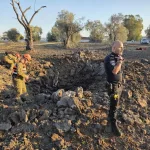
In Operation ‘Five Stones’ this year, for the first time in 24 years, over 30 enemy targets were attacked with the help of helicopters and mortars. Four troop airlifts were carried out, and in total, since the complex was opened, the amount of air support in the sector has increased by about 80%. “Now we are operating fire in a more organized manner, with multiple strikes, ‘combat excavations’ for deterrence, and more,” explains Major A’. “The impact on the enemy is felt in the field; the presence of aircraft over the village completely changes the nature of the fighting in the sector.”
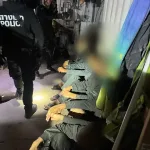
“I remember the first helicopter strike in the operation, which was one of the first planned proactively, not as a response to a hostile act,” describes Major A’. “It was at three-thirty in the morning. I was in the situation room with an Air Force representative and the brigade commander. We listened to the helicopter, each gave their ‘okay’ in their respective domain, and we carried out the strike. A few minutes later, we already saw the results in the field on Telegram and the terrorists’ reactions: ‘There’s an Apache above us, nobody leave their homes.'”
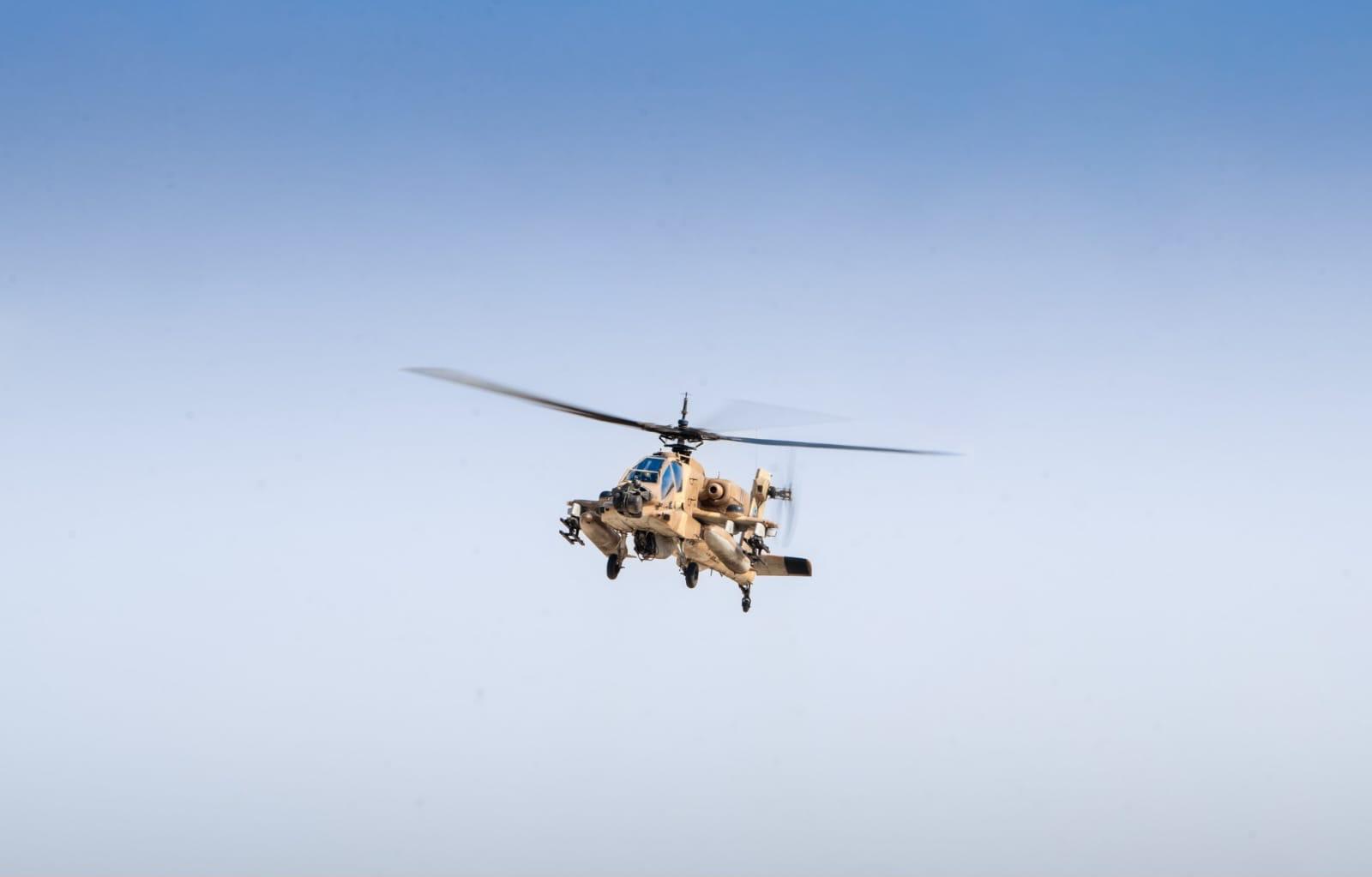
When all the representatives are together, sitting and living the same sector – they create understanding and a shared language, which directly refines the activity and allows for a much faster closing of the loop. “We operate continuously, on a daily basis and also in special operations,” describes Major A’. “We enter the situation room, each person contributes their value in their field, and together we make the sum of the parts – greater than the whole.”
Related Topics