













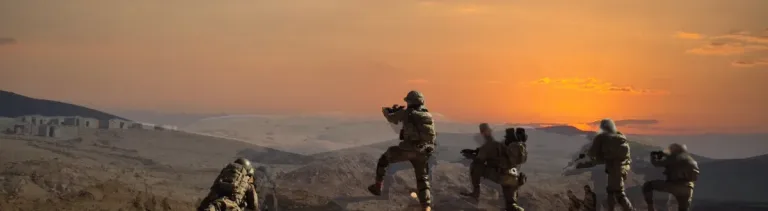
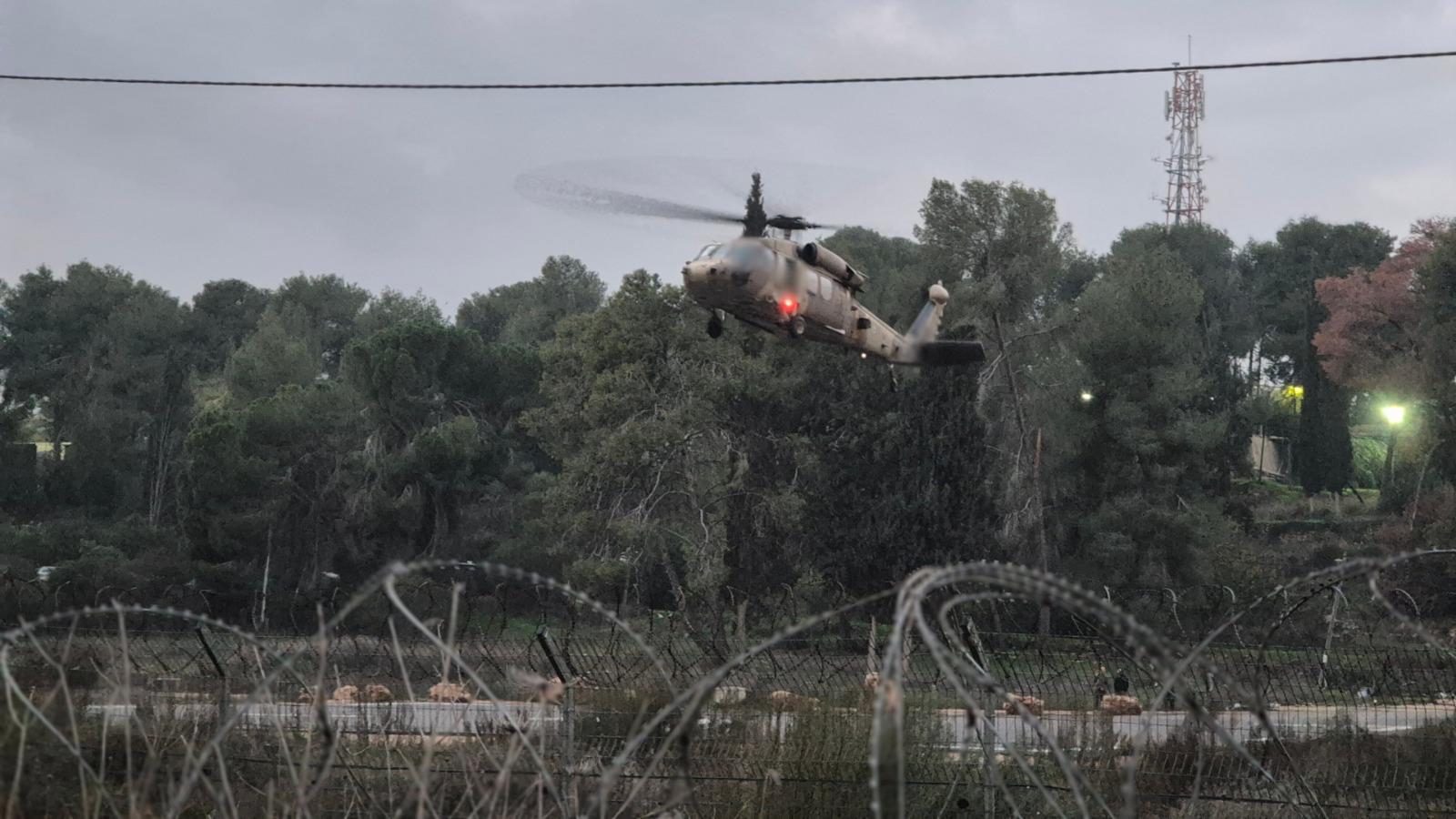
As the Armored Personnel Carriers (APCs) leave tracks in the mud behind the Shomron Brigade, three helicopters descend, simulating evasive maneuvers from fire against the darkening sky. They land groups of paratroopers a few meters inside the base perimeter – from this moment on, the rest of the night will be spent on foot.
This is how the training exercise of Battalion 202 began, as part of a series of exercises for all paratrooper battalions. The goal of each was to ensure the combat readiness of the soldiers for ground maneuver, while they held the line in Judea and Samaria. Soon, as the exercise unfolds before you, you will understand how such large-scale training, incorporating lessons from intense combat in four arenas and tools from various corps, is not a given during routine security operations.
After landing, the squads conducted weapon inspections to ensure everyone was armed and ready. Already then, the first incident was heard over the radio: two casualties fell in ‘Purple Rain’. “From a medical perspective, the exercise is designed to work on evacuation capabilities in a new sector,” says Lieutenant A., the battalion’s chief medical officer from Battalion 101. “In mountainous terrain, for example, rearward evacuations become more complex, forcing us to transition from a ‘rapid’ approach to a ‘deep’ approach – where we are required to provide different types of treatment.”
Later, the radio reported the condition of the evacuated casualties: 14 breaths, pulse 120, saturation 88. “The goal of the exercise is to bring you to extreme situations with limited resources, so that in real-time you will already know and be able to function in the best possible way,” explains the chief medical officer. “Once, for example, our armored personnel carrier arrived for an evacuation – and ran over a mine itself. The force strength was low, and the terrain was challenging, so other forces pitched in to help.”
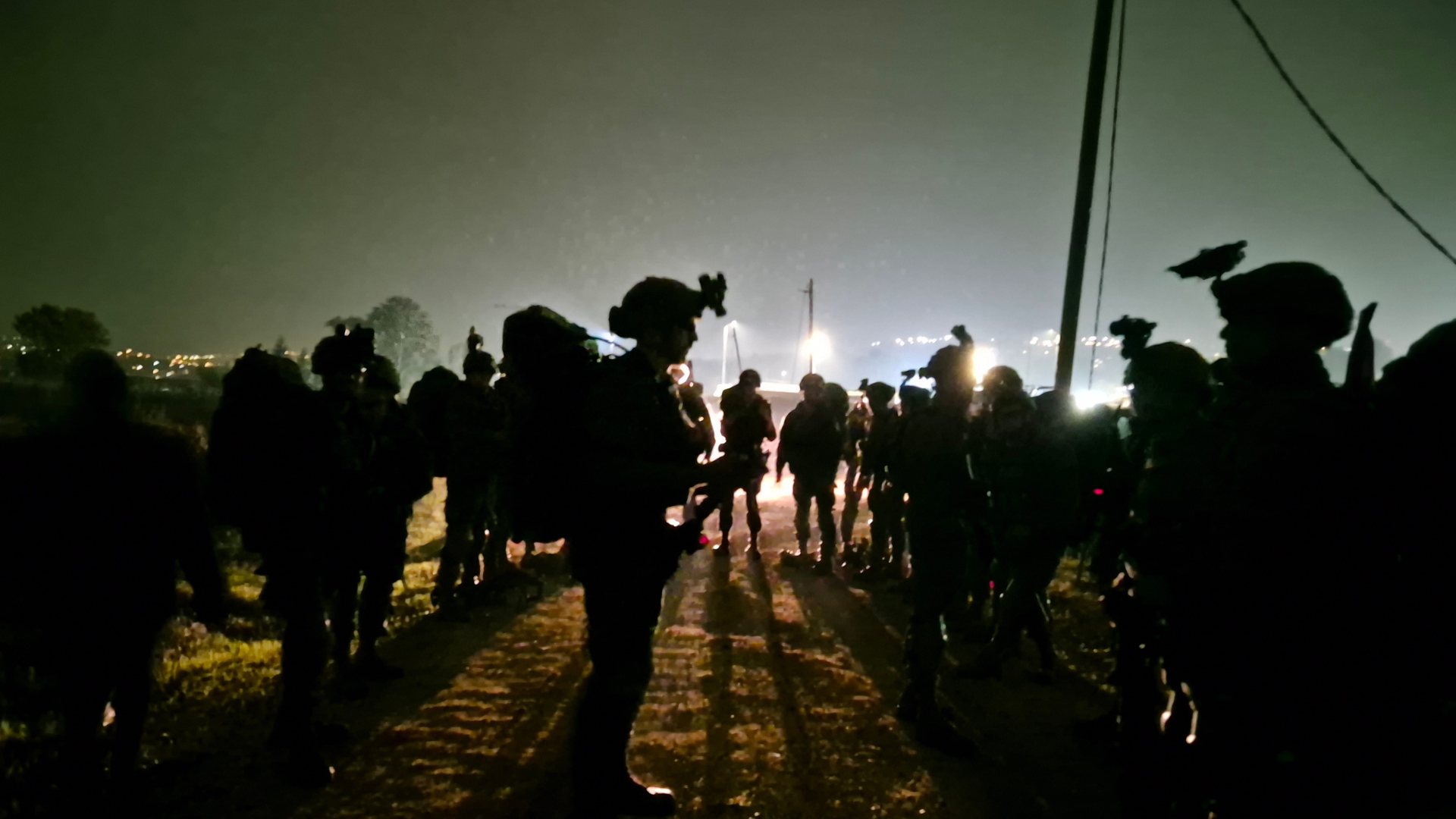
While the first casualties were being taken to the APCs, one of the commanders approached to dim the vehicles’ lights, creating a situation of heavy darkness. And so, the paratroopers began to navigate towards the settlement of Itamar: they advanced towards the objective in two columns, each carrying enough equipment for several days and ‘lowering their silhouette’ to maintain stealth.
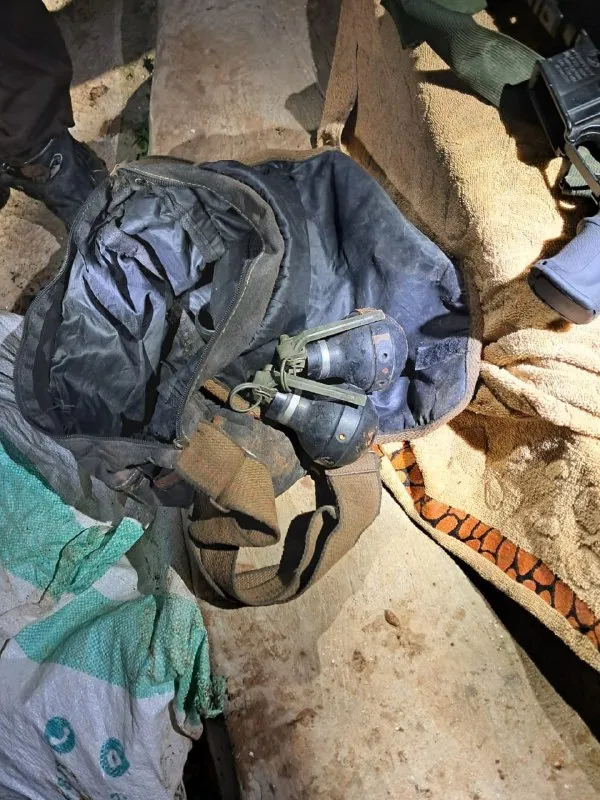
The first forces arrived at the structures on the outskirts of the settlement. They took up positions in preparation for a raid on the locations marked with glow sticks, including an arms depot and a hideout with many shafts. “This training exercise is somewhat ‘fragmented’,” describes Sergeant Major A., a squad leader in Battalion 202, as he points to the soldiers crouching around. “Two-thirds of the battalion remained to defend the Hebron sector.”
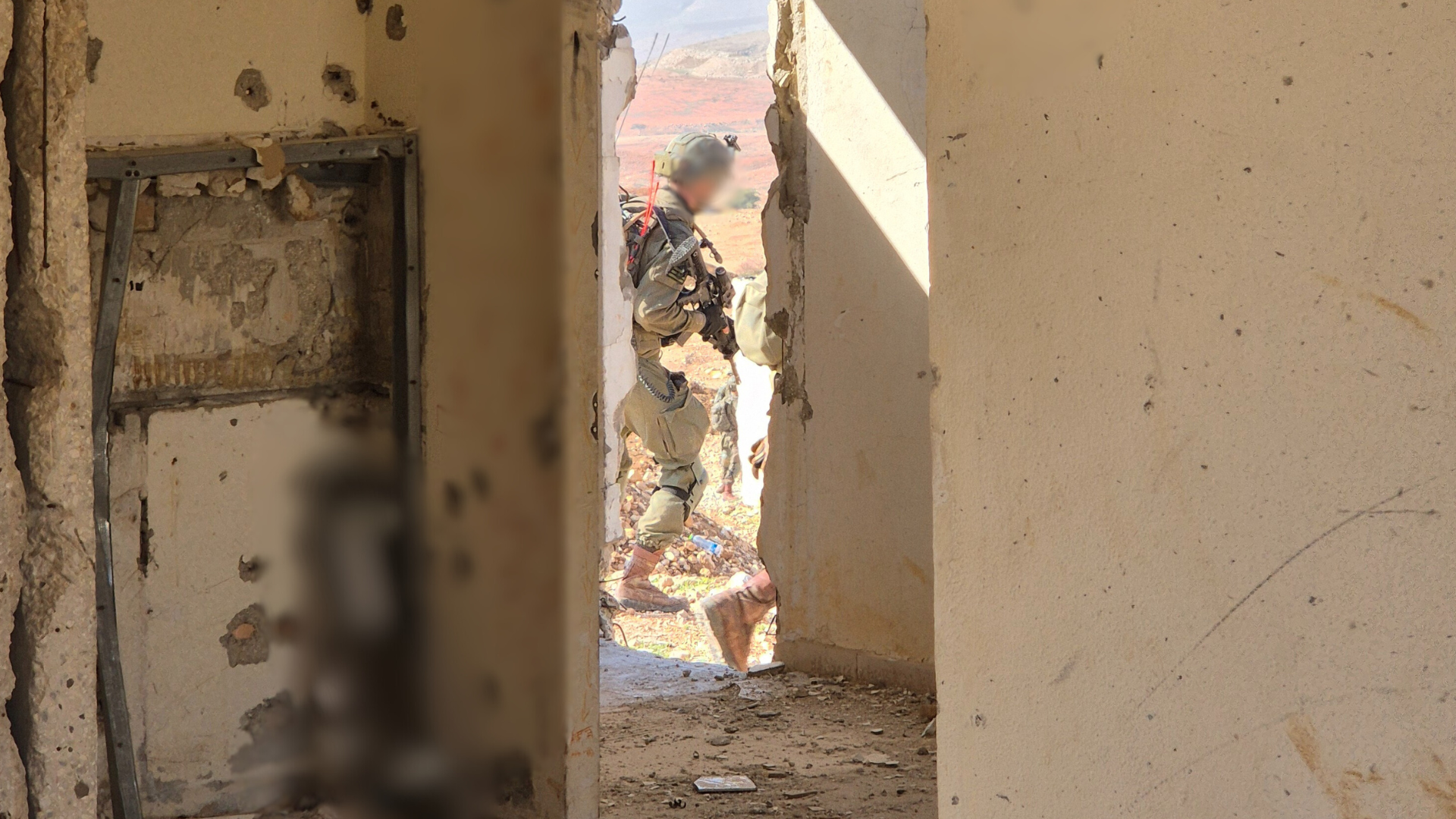
Additional teams began to arrive and advanced upwards through the ‘main axis’. “My team’s role here is to provide suppressive fire, for the benefit of the following companies,” explains Sergeant Major A. “This means directing sustained fire from an area under our control, so that the enemy is pinned down – and another force can enter the engagement.”
On both sides stood exposed buildings, which with each training exercise took on more and more the form of a real neighborhood. In them, ‘simulators’ from other battalions waited, having positioned themselves beforehand behind walls and at the top of staircases. The soldiers moved from house to house, with the occasional hum of a drone sent for reconnaissance, or the creak of APC wheels. In a systematic advance along the avenue, the teams identified ‘enemy’ forces and responded with decisive ‘fire’ until the area was cleared.
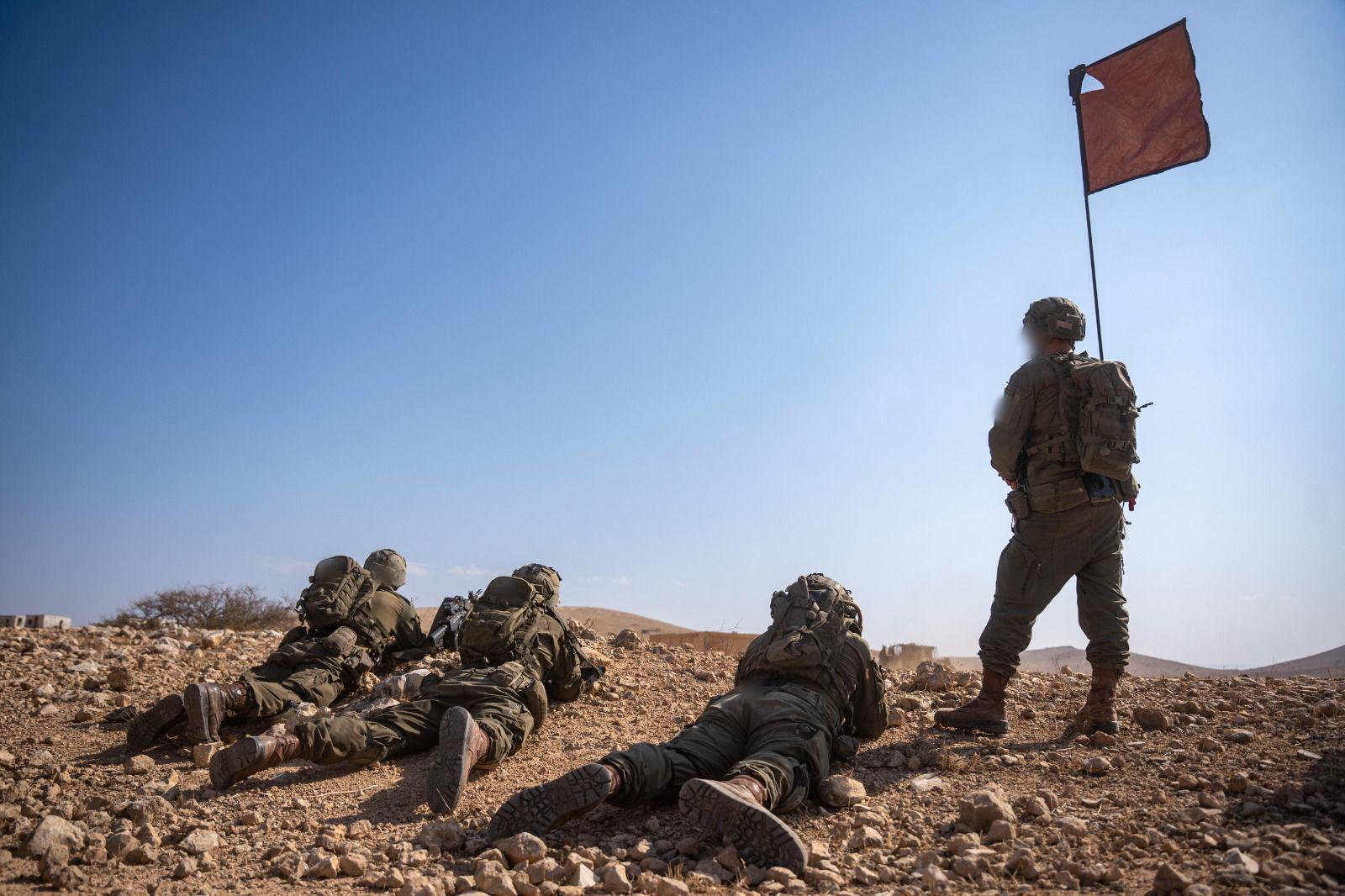
With the sunrise, the soldiers of Battalion 202 descended to the open areas near the ‘Tirtza’ base, observing the mock enemy position they would attack in the wet phase of the training exercise. Then the order was given to move out.
Company A took up a flank to the left of the mock enemy position, Company G began to advance towards it in a trench, Company B followed, and Company D was the rear guard. The forces on the flank opened fire on the buildings, and clouds of smoke appeared on the surrounding hills. Afterwards, a D-9 bulldozer arrived to clear a path towards the targets, followed by the soldiers, who had previously dug in in trenches, who charged forward.
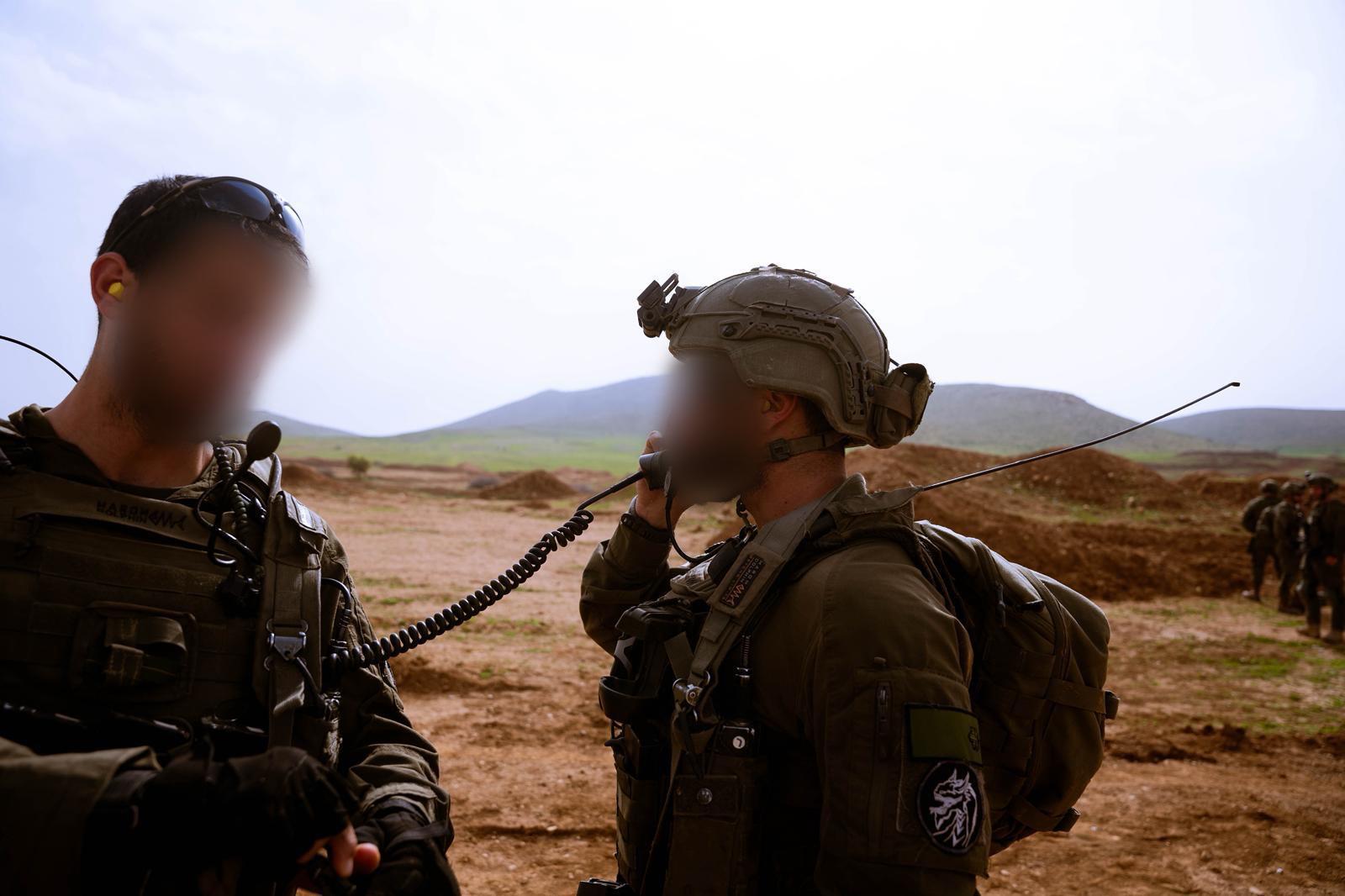
In one house, an explosive charge awaited them, and in another riddled building, a report of a casualty evacuation was received – which was handled with immediate evacuation using stretchers. “While we were entering the attack, the first engagement occurred,” says Captain N., a company commander in Battalion 890. “On one hand, I had to decide where to evacuate the wounded, and on the other hand, change the direction of advance against the enemy, all at once and while engaging in fire.”
After completing the mission at the mock enemy position, the soldiers returned for a debriefing with the battalion commander and brigade commander. Red and white flags waved around them, and the sun, which had already risen by then, illuminated the area where they had landed, ‘leapfrogged’, and maneuvered for long hours.
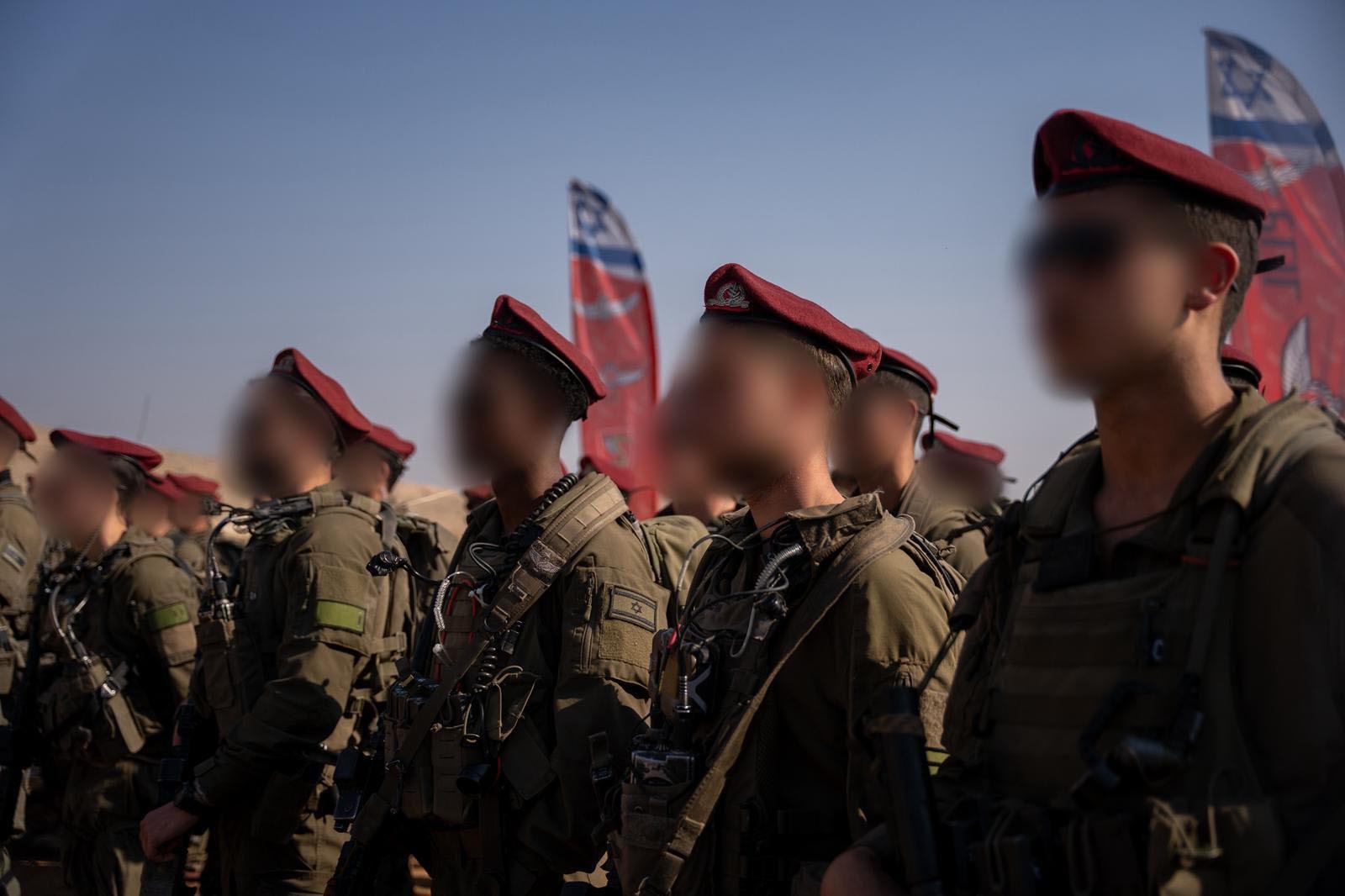
“An exercise like this gives you confidence,” concludes Sergeant Major E., a soldier in the Paratroopers Reconnaissance Unit, summarizing the exercise that each battalion underwent in turn. “When the entire unit works together, you have a mortar team and drones holding the area from a distance, and infantry teams moving within it – this gives you an idea of the brigade’s capabilities in maneuver in any scenario.”
Related Topics