





















When you hear about combat intelligence battalions, think of two principles from now on – territory and time. Territory: because to be familiar with the sector, to a level where you can decipher the slightest changes in enemy behavior, you need to truly live the place. And time: because such deep familiarity is not something you achieve in a day, a week, or a month.
Archive
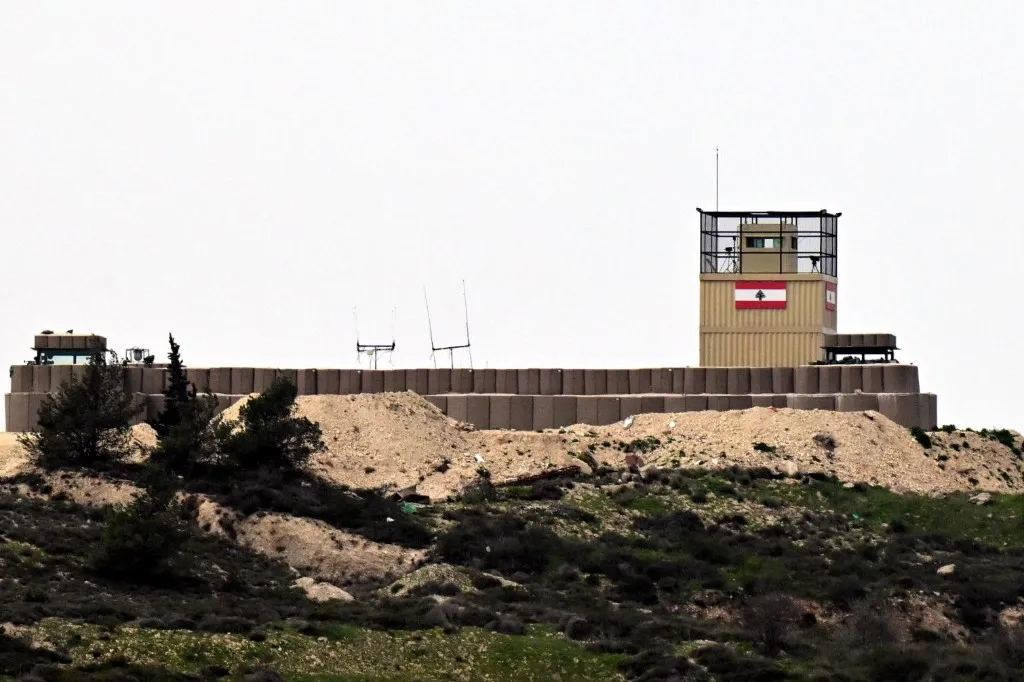
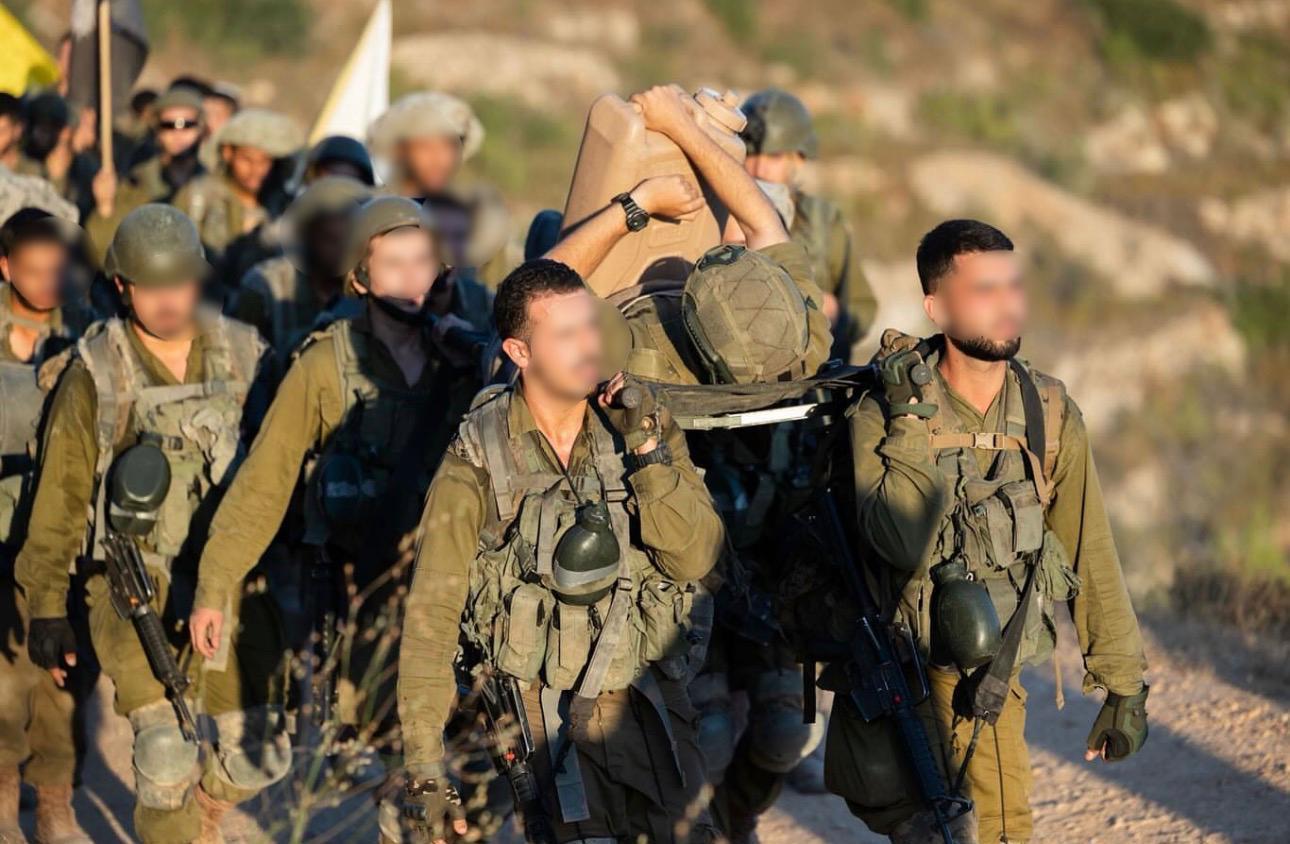
These two are clearly evident in the operations of the ‘Eagle’ Battalion (595) under Division 210, and are noticeable among its observation posts deployed in the Lebanese Mount Dov area even before the opening shot of ‘Lion’s Roar’.
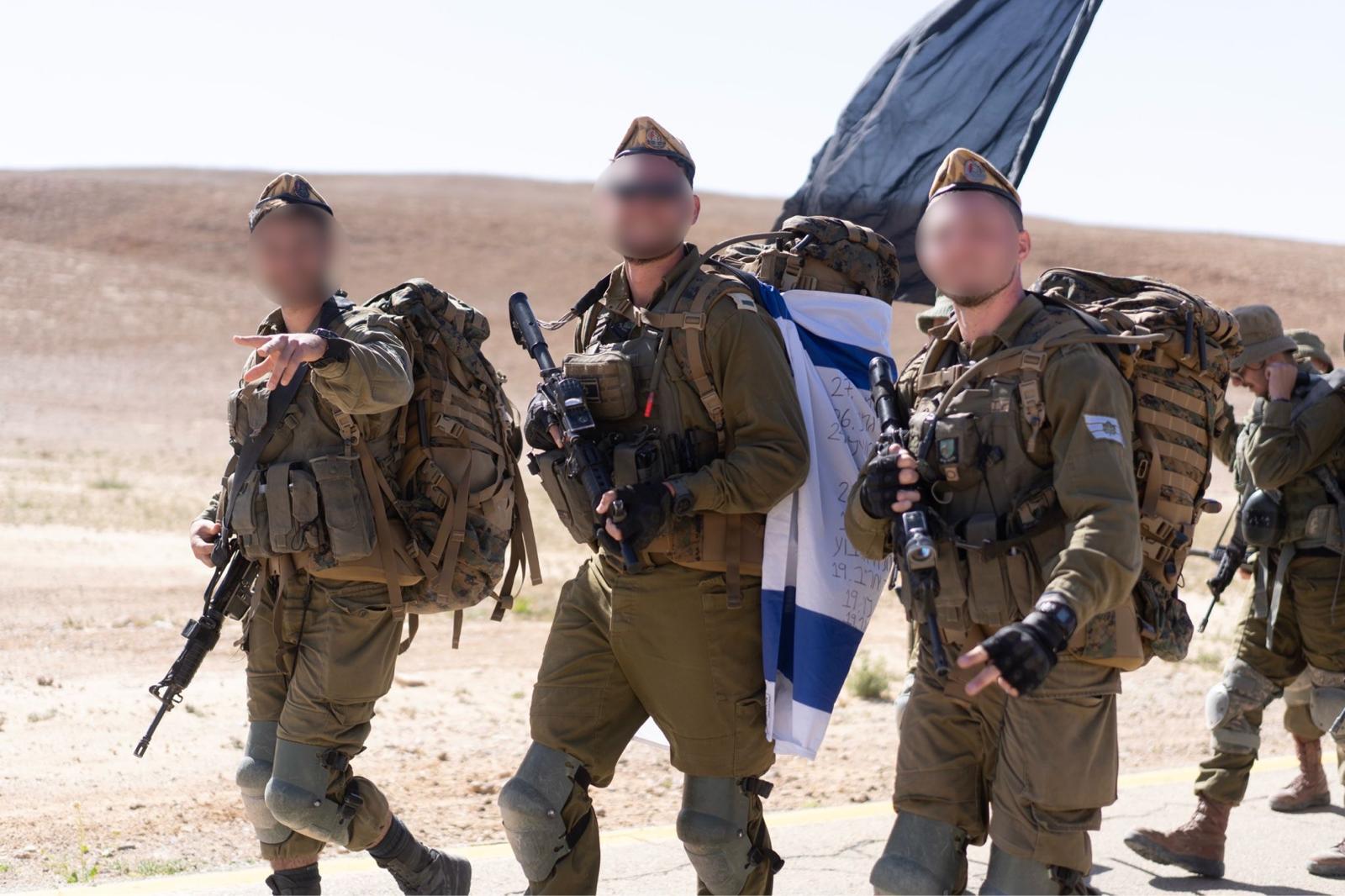
“We didn’t know exactly what was going to happen,” says Lt. Col. G., the battalion commander, returning to the beginning of the operation. “The message to the battalion was that from the moment they heard something, no matter when, everyone jumps to their position. Precisely for this purpose, we established combat procedures and assembly points, so that at the critical moment, we would succeed in building an immediate situational picture.”
Archive
And how is this done in an environment that is constantly changing? “Every day we collect information on everything happening on the other side: what the routine looks like, when the enemy deviates from it, we report and alert,” explains the battalion commander.
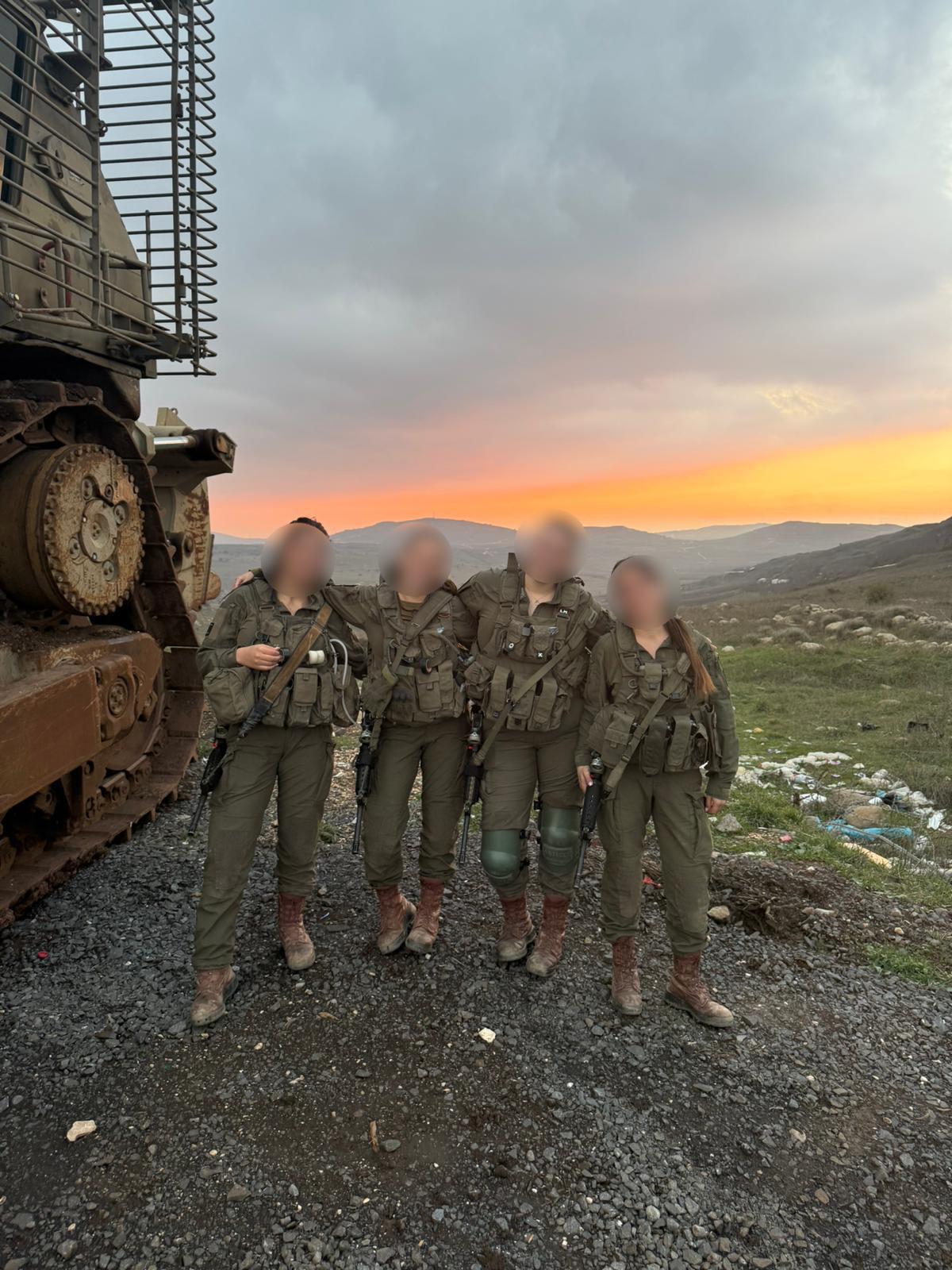
The battalion is divided into drone teams – collecting 360-degree ‘vertical’ intelligence from above, and ‘horizontal’ intelligence teams, specializing in collecting information in the field, while camouflaged and surprising the enemy from unexpected angles. Between the two, reservists synchronize to create a complete picture from the air and the ground simultaneously.
Archive
But the mission of the 595 fighters is not limited to identification and alert. In fact, for the past year and a half, they have been equipped with independent and immediate attack capabilities. Thanks to these, they identify targets and close kill chains against the enemy within half an hour or less, as they demonstrated in documentation published from their current operations in Lebanon.
Since the beginning of the campaign, the battalion has located and destroyed several Hezbollah terror infrastructures, including a structure that served as an organization’s headquarters and weapons caches. “The terrorists also try to hide themselves as much as possible,” notes the battalion commander, a conclusion taken into account in every such operation, “but thanks to active operations that destabilize the other side and force them to move to understand what is happening, it is possible to deceive the enemy – and catch them.”
All of this, of course, they do in direct communication with several parties: the infantry battalion observers manning the sector, the nearby artillery batteries, armored forces, and more. “Every such cooperation with each other multiplies everyone’s strength,” he testifies.
Having previously served as both deputy battalion commander and operations officer in the unit, Lt. Col. G. is proud to see how plans made even years ago are coming to fruition in the present and yielding results. “We are constantly taking a territory and ‘dismantling’ it from an intelligence perspective – and we have many more such operations in the pipeline,” he states, “Every day that our fighters are here on the front line, fulfilling their role with high quality, they directly contribute to the security of Israel’s northern border.”
Related Topics