






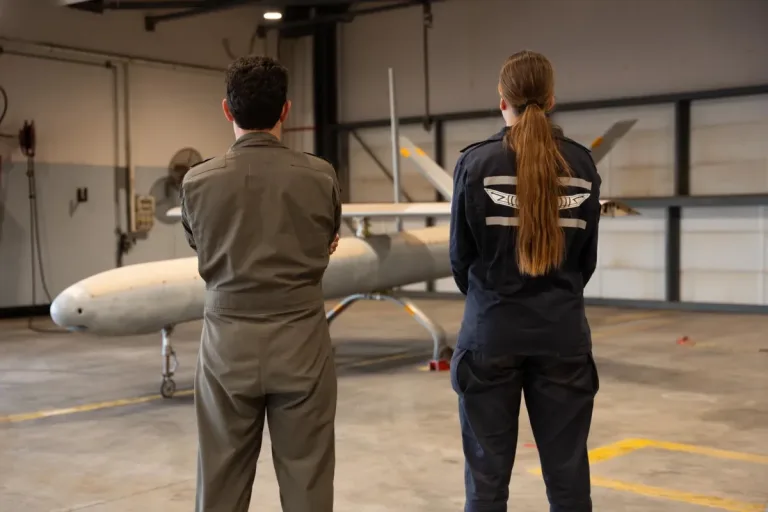
Just five months after completing his training, Lieutenant D., a UAV operator in the Air Force, is already at the heart of a complex operation, carrying out air strikes in Operation ‘Lion’s Roar’.
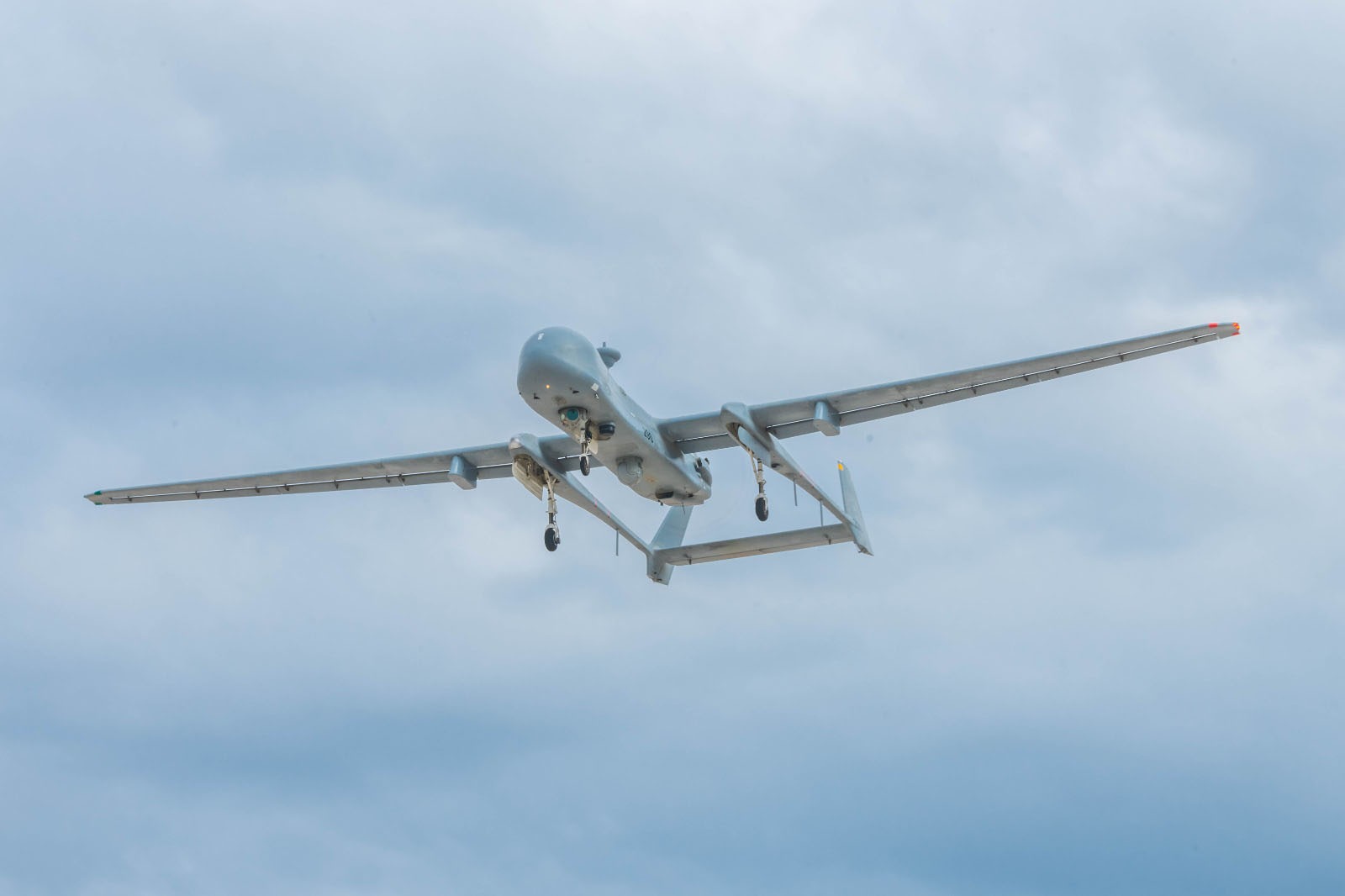
“In ‘Operation Brothers’, I was still in training. There’s no doubt the difference between learning and the operational world is huge, especially at this intensity,” he says. “The transition is sharp, and to be part of things like this in such a short time as an operational operator – it’s crazy.”
The UAV array, which conducts continuous sorties deep into Iran, is unique and offers many advantages. “The aircraft stay airborne for a long time, providing continuous intelligence and attacking targets. The fact that we are not on the aircraft allows us to send the aircraft on all missions, and allows for flexibility in complex operations,” he explains.
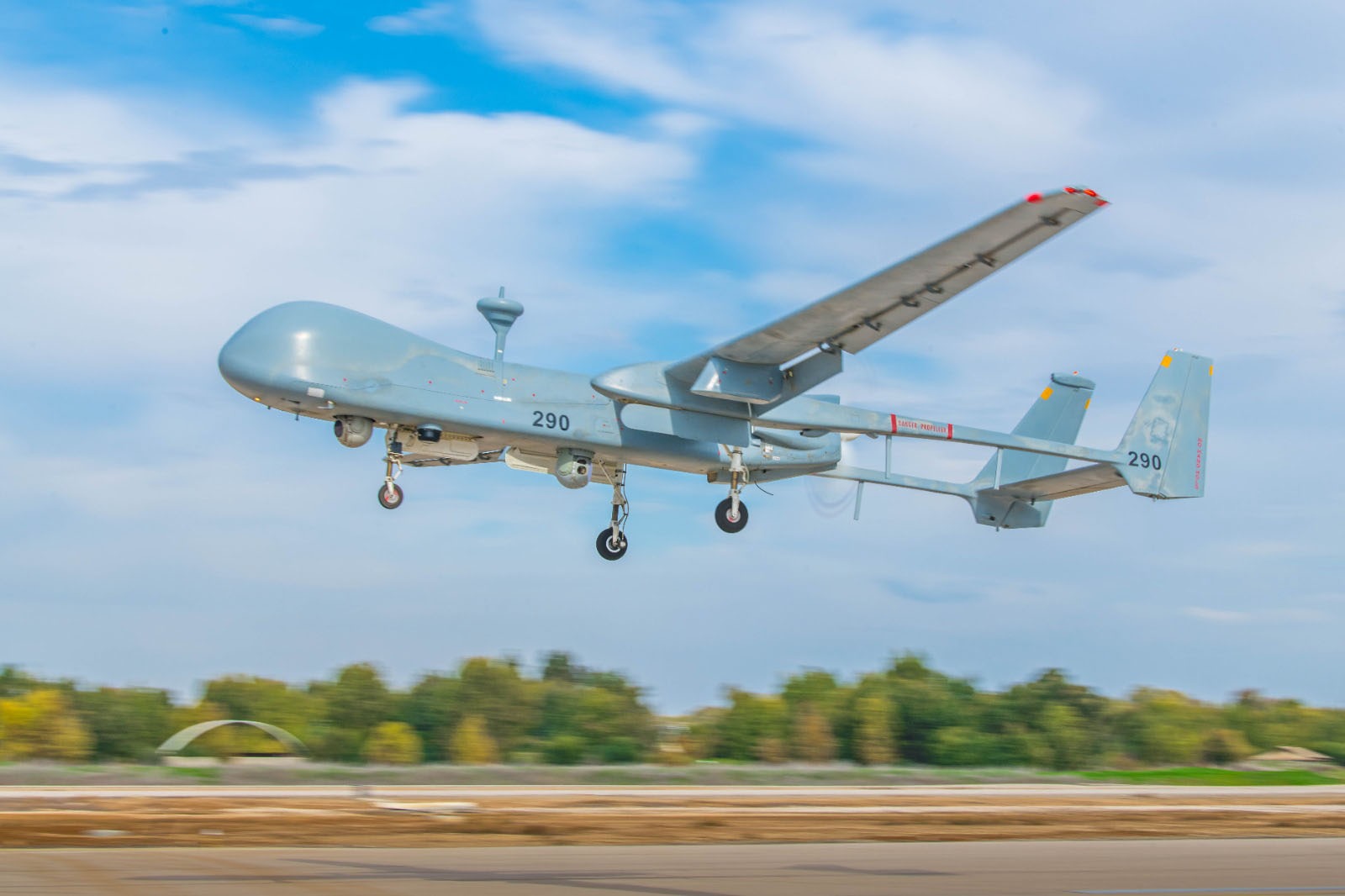
Another aspect is the operators’ presence at key moments. “You can really see what you’re doing. From the moment the munition is dropped until the target is destroyed before your eyes,” he clarifies. “In those seconds, there’s an amazing sense of satisfaction, you already see the impact.”
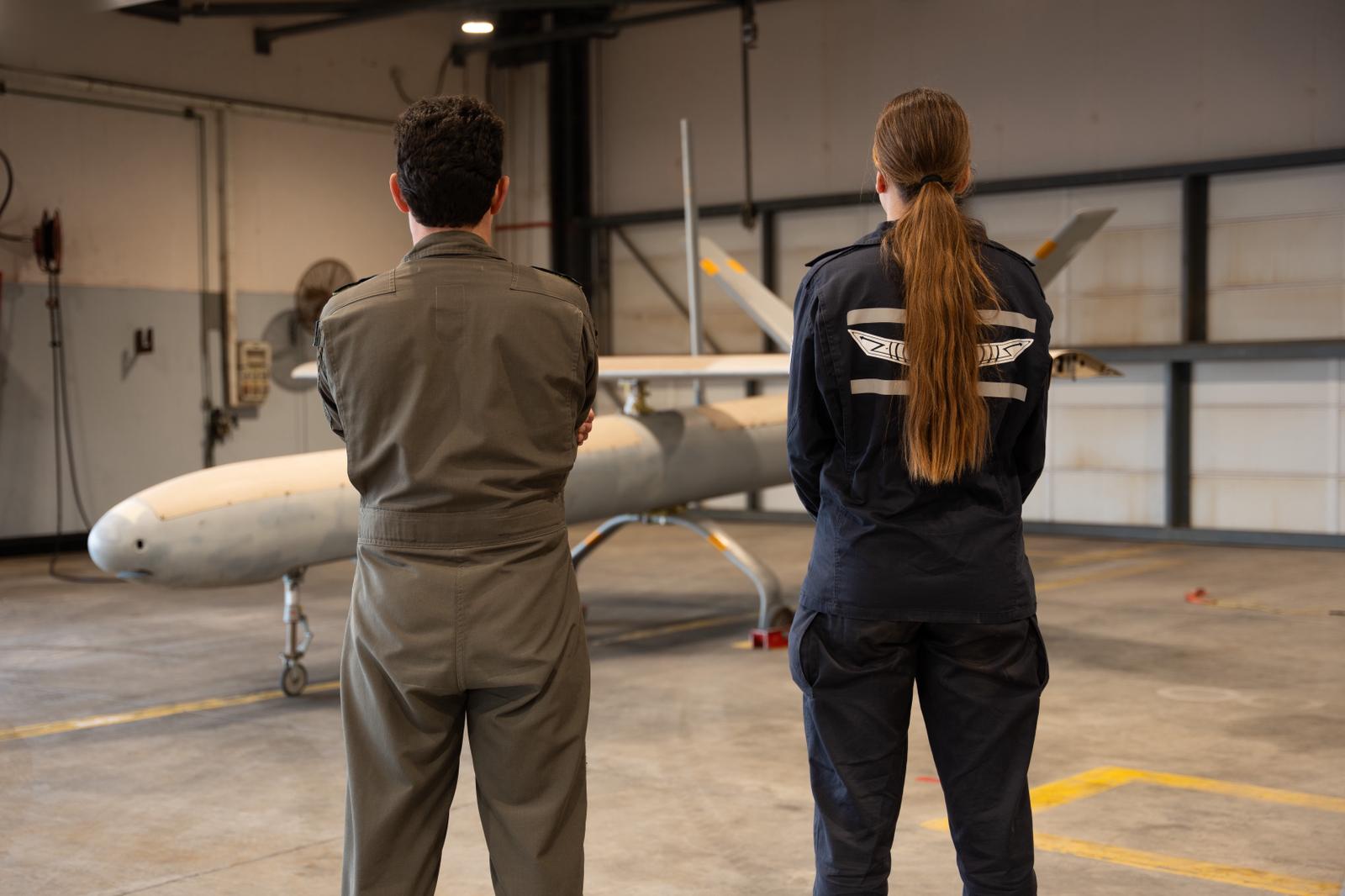
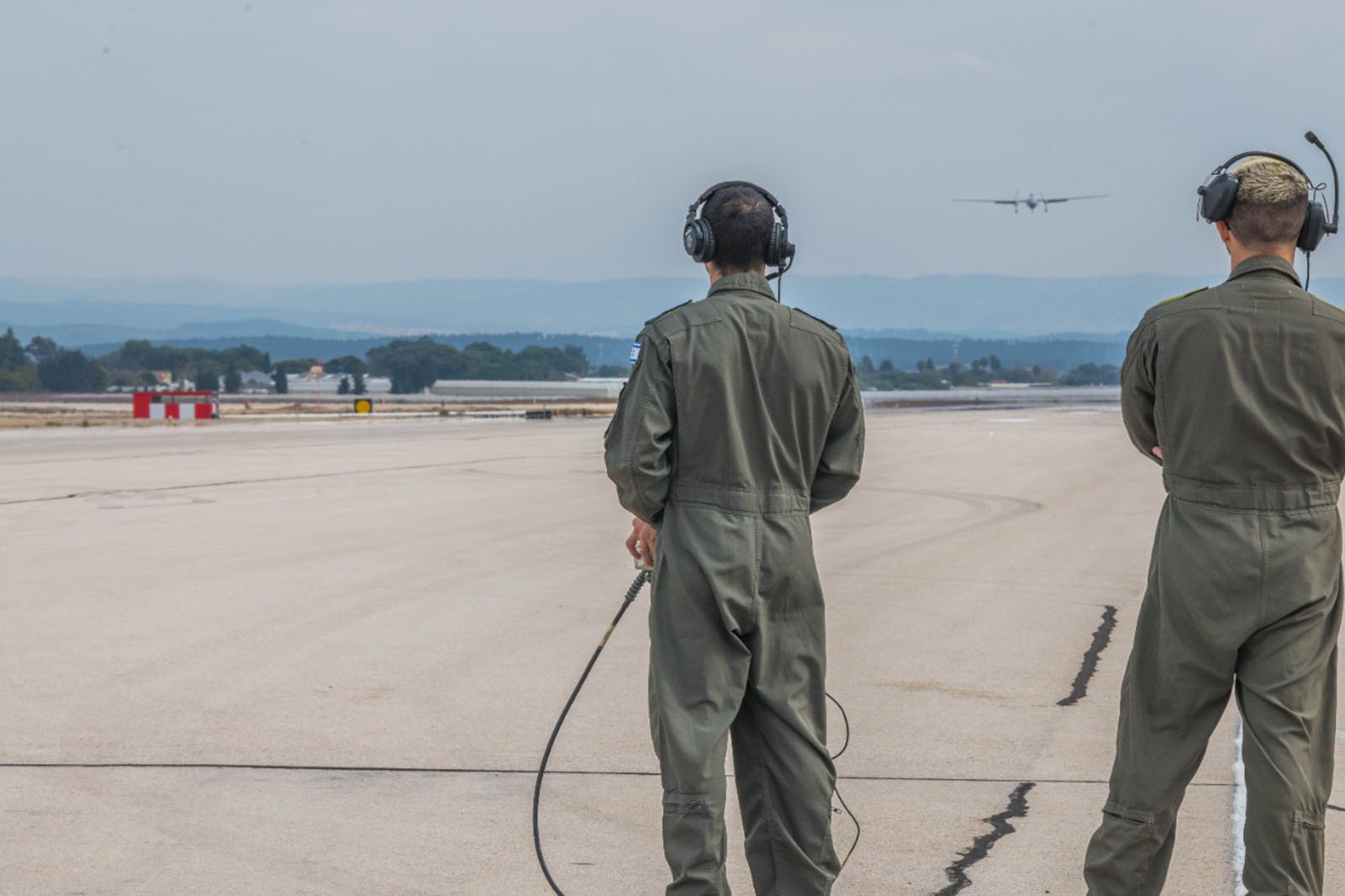
Lieutenant D. and Sergeant D.
One of Lieutenant D.’s significant moments in the operation didn’t happen during an attack, but in the briefing room. “When I found myself standing and briefing the entire squadron for an operation in Iran, it struck me,” he recalls. “To become the source of knowledge, the one connected to the field and the planning for an entire squadron, is particularly exciting.”
Seconds to Launch – and Neutralization on the Screen
The strike that was etched in his memory was also the squadron’s first in the campaign. “We identified a launcher aiming a missile at Israel,” he recalls. “We saw on the screens it preparing to launch – and we managed to neutralize it.”
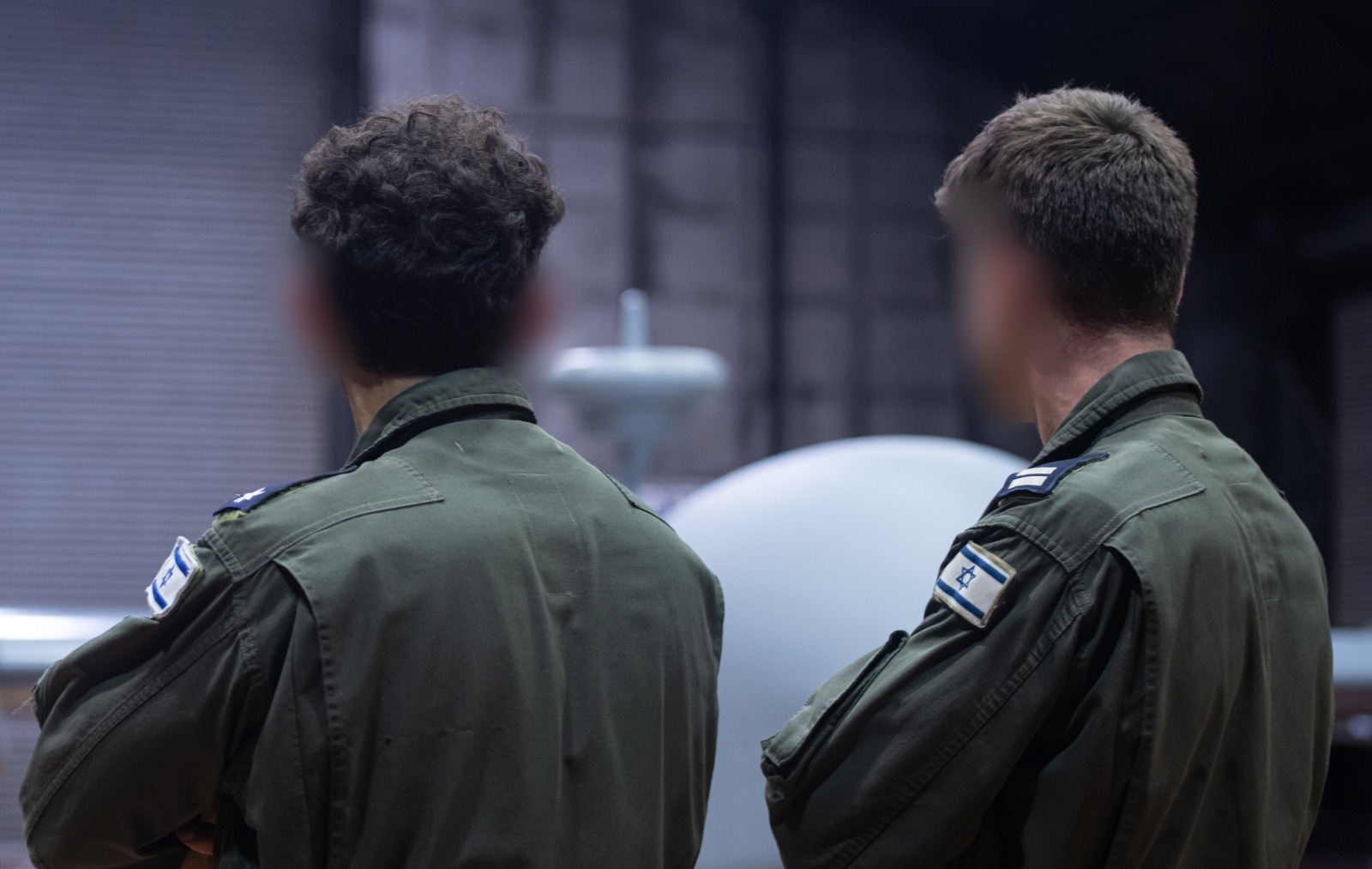
“I saw the secondary explosions, and how the missile broke into pieces. The threat that was supposed to be launched within seconds was completely neutralized,” he says. “Here we see the connection to civilians, our ability to play between defense and offense, and the variety of our missions that allow us to achieve results.”
“The preparations for operations are not much different from what we have learned and know how to do – especially after a long war,” explains Sergeant D., a technician in the squadron, about the complementary mission. “You prepare the aircraft before takeoff and receive it when it returns from the mission. And through the results in the end, we feel that we are protecting our families.”
“There’s a great sense of capability in the squadron after the last few days,” Lieutenant D. admits. “But we make sure to remind ourselves that we can always improve. We are not perfect, but we are definitely on the right track and trending upwards.”
Related Topics