












Like two parallel lines, the officer completion course and the NCO course of the Rescue Brigade progressed side-by-side over the last three and a half months. But in the last and most significant week – their paths crossed, and during seven intense days, they repeatedly practiced the skills they acquired to become the brigade’s future command echelon.
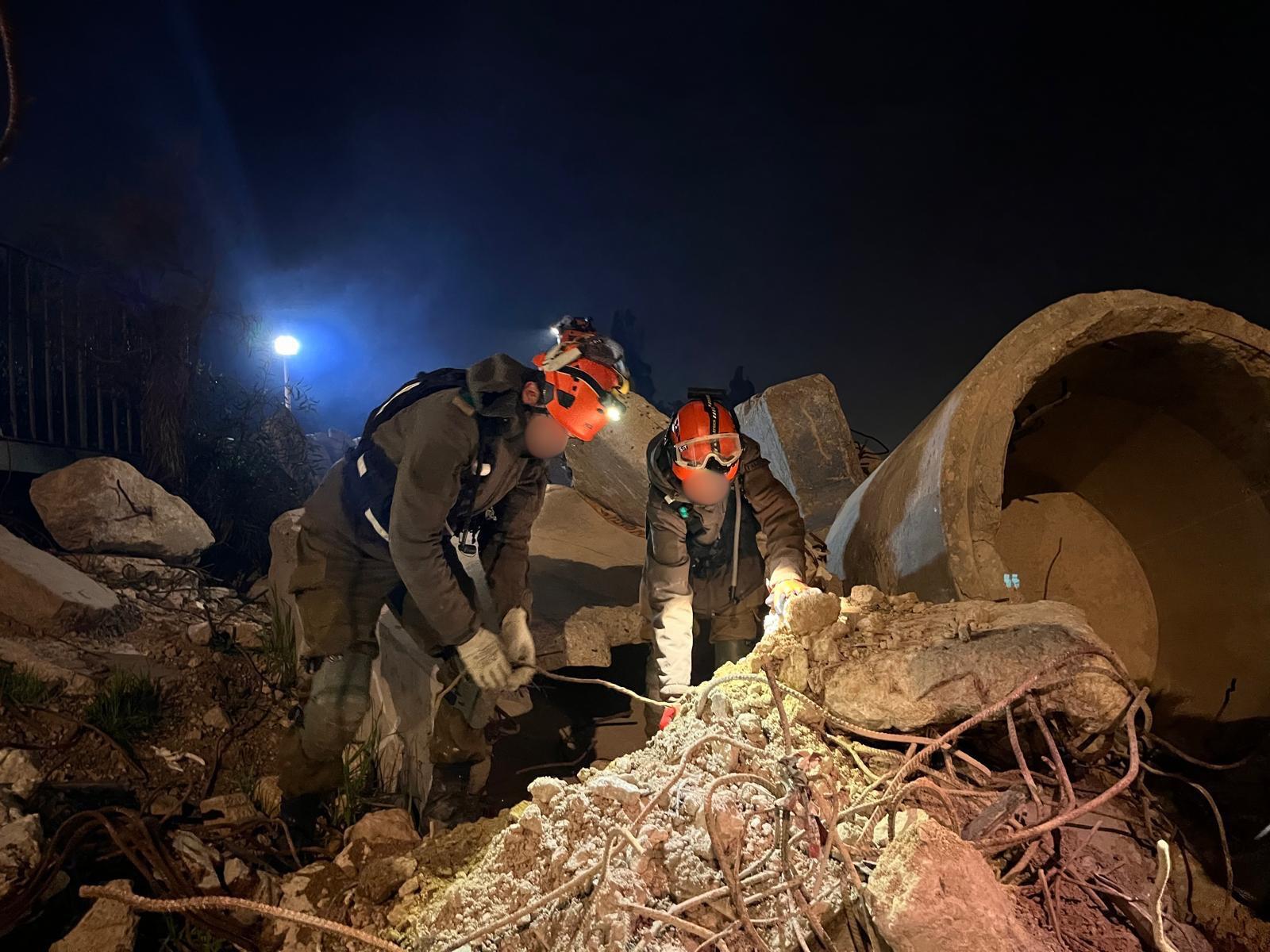
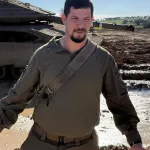
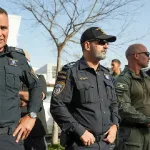
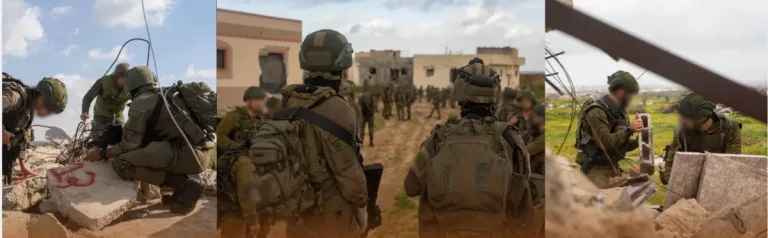
A small moment before the end, we joined them for an all-night exercise at the demolition site in Zikim, for the largest exercise conducted by the Home Front Command recently. In the area, among hundreds of male and female soldiers with orange helmets and various rescue equipment, we identified the entire command chain – including participants in the company commander and battalion commander courses, who together created a command scenario as realistic as possible.
“We started Wednesday morning under the Haifa district. There, the trainees received an alert about a missile attack and their mission – to immediately jump to the incident in Zikim. The exercise itself began around 02:00 in the morning and continued without interruption until they were called to the next scenario,” says Lt. Col. D’, commander of the NCO course.
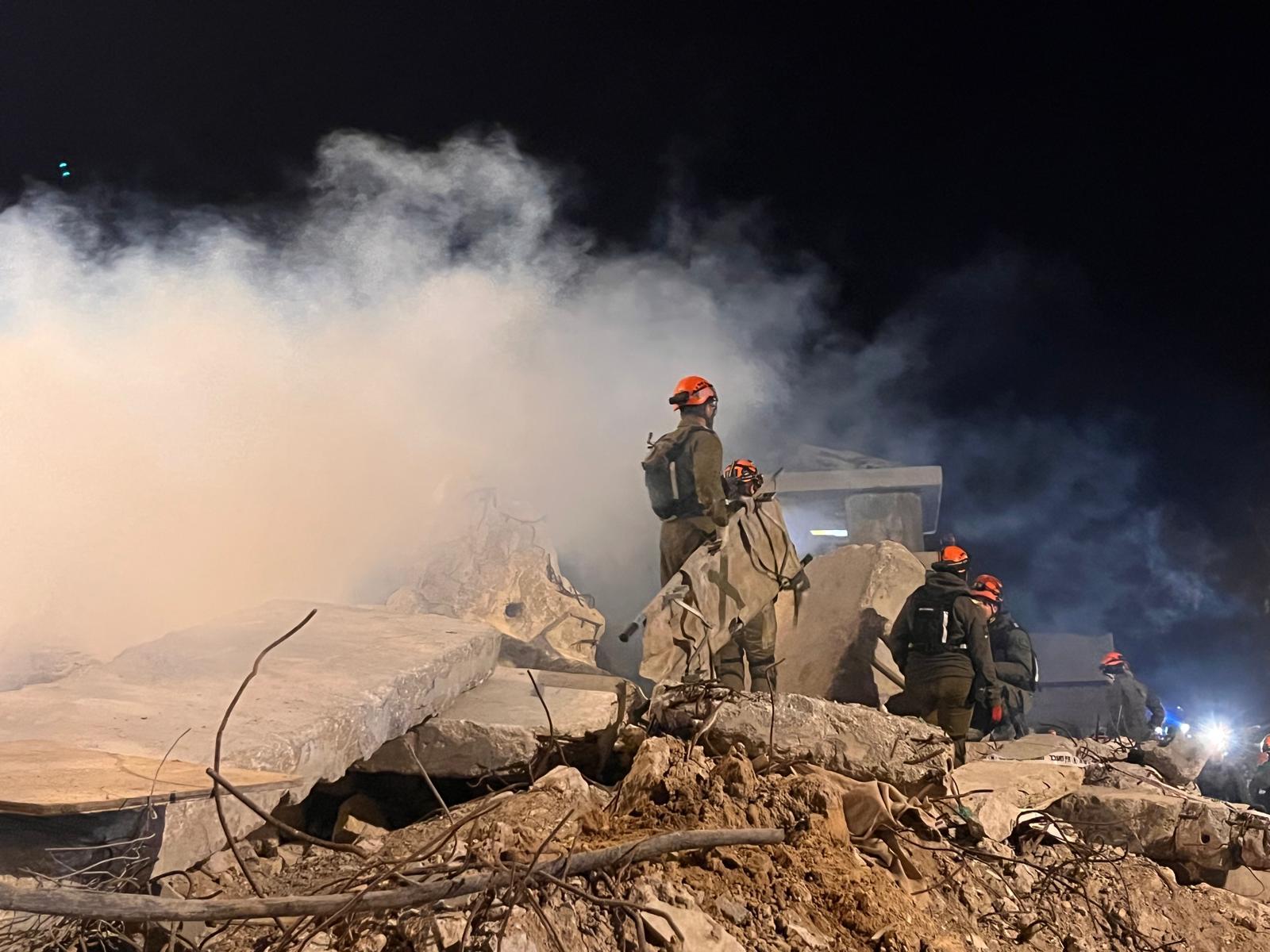
Among all the participants, stood dozens of fighters from the ‘Alon’ reconnaissance unit, simulating casualties among the rubble. The site filled with smoke and the air with shouts, as the trainees scanned the area and began their work. “The command challenge is particularly felt in large-scale sites like these,” he elaborates, “In Zikim, there are 6 central zones – each with different challenges and types of collapses, and in the exercise, over 200 trainees need to be dispersed and organized among the focal points.”
Another central need to practice is forming an initial situational assessment. This involves dozens of live casualties, and dozens more mannequins. All of them need to be identified, classified, and extracted as quickly as possible. “Cross-referencing data from Magen David Adom and ZAKA, while continuing search and rescue operations, to avoid wasting any time, constructing the population narrative and anchor list, can create chaos and confusion. This is precisely where good command work is needed,” describes Lt. Col. E’, commander of the officer completion course. “If every NCO knows what is happening in their sector, like the platoon leader, company commander, and battalion commander, the situation becomes clear and a clear tracking of every trapped person and injured individual can be maintained.”
And of course, the exercise would not be complete without difficult extractions, complex collapses, and the use of advanced tools and intensive manual labor: “In an underground site, multi-story buildings, confined spaces, heavy debris, and more. Throughout the night, false alarms were also heard, bringing to life the command dilemmas that require quick and fateful decision-making – should the rescue work continue? Where do the fighters evacuate to? And where should forces be focused?”
And so, zone after zone, above ground and underground, they provided initial treatment to the injured, used them to build a civilian situational assessment, extracted mannequins, and when morning broke and the sun was high, they were immediately called to the border, an operational training activity for the first time in the Gaza Strip.
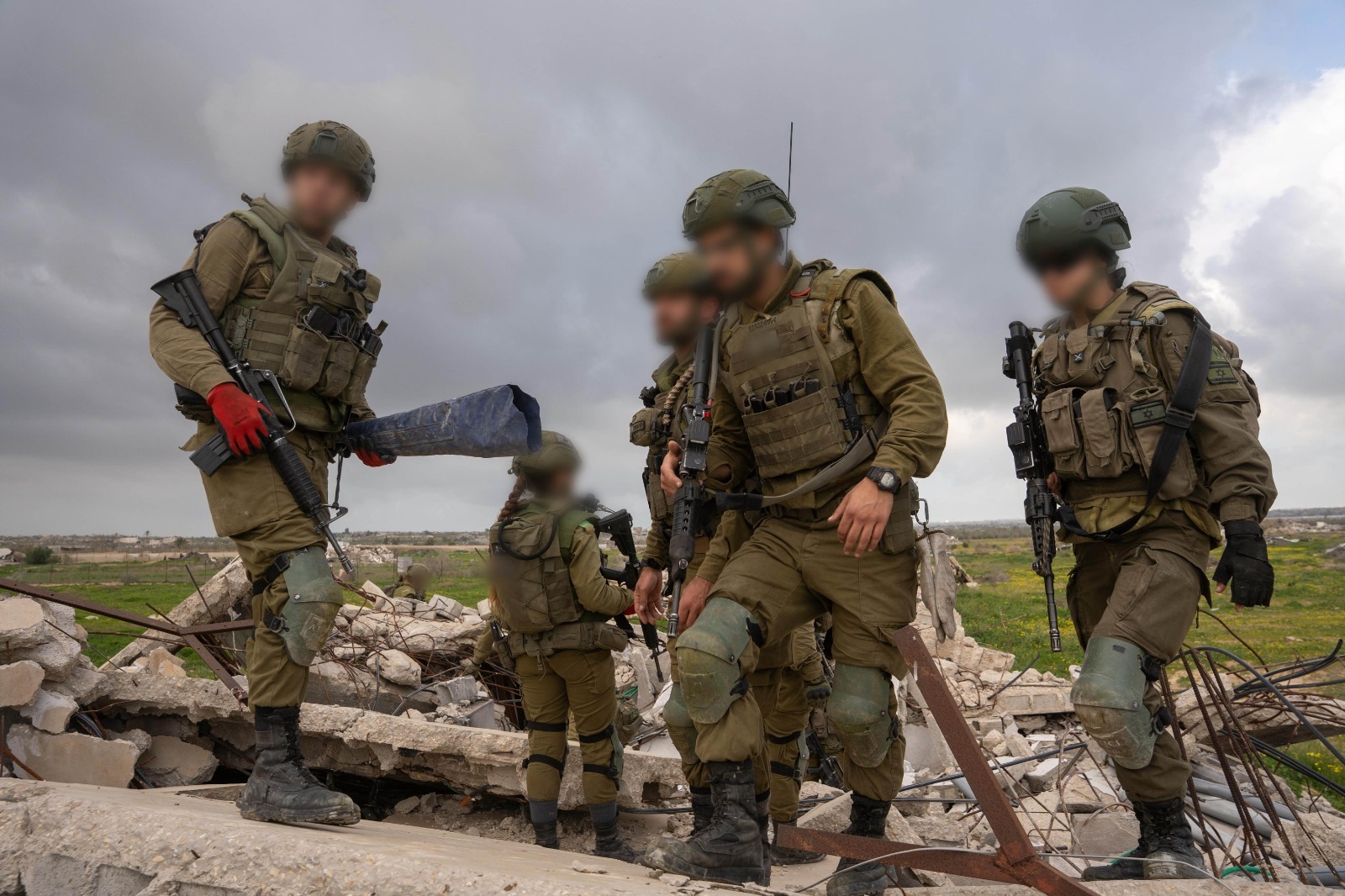
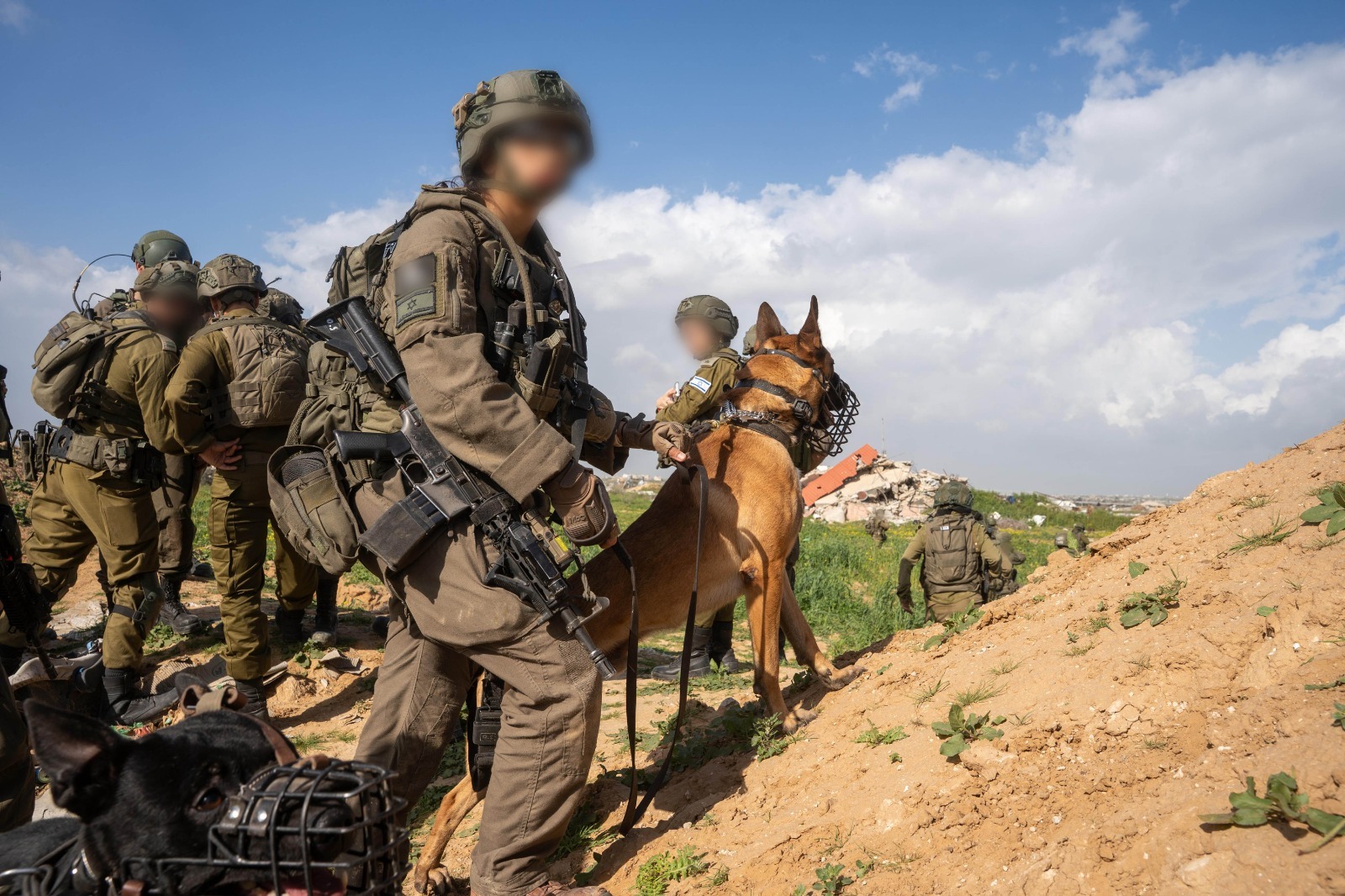
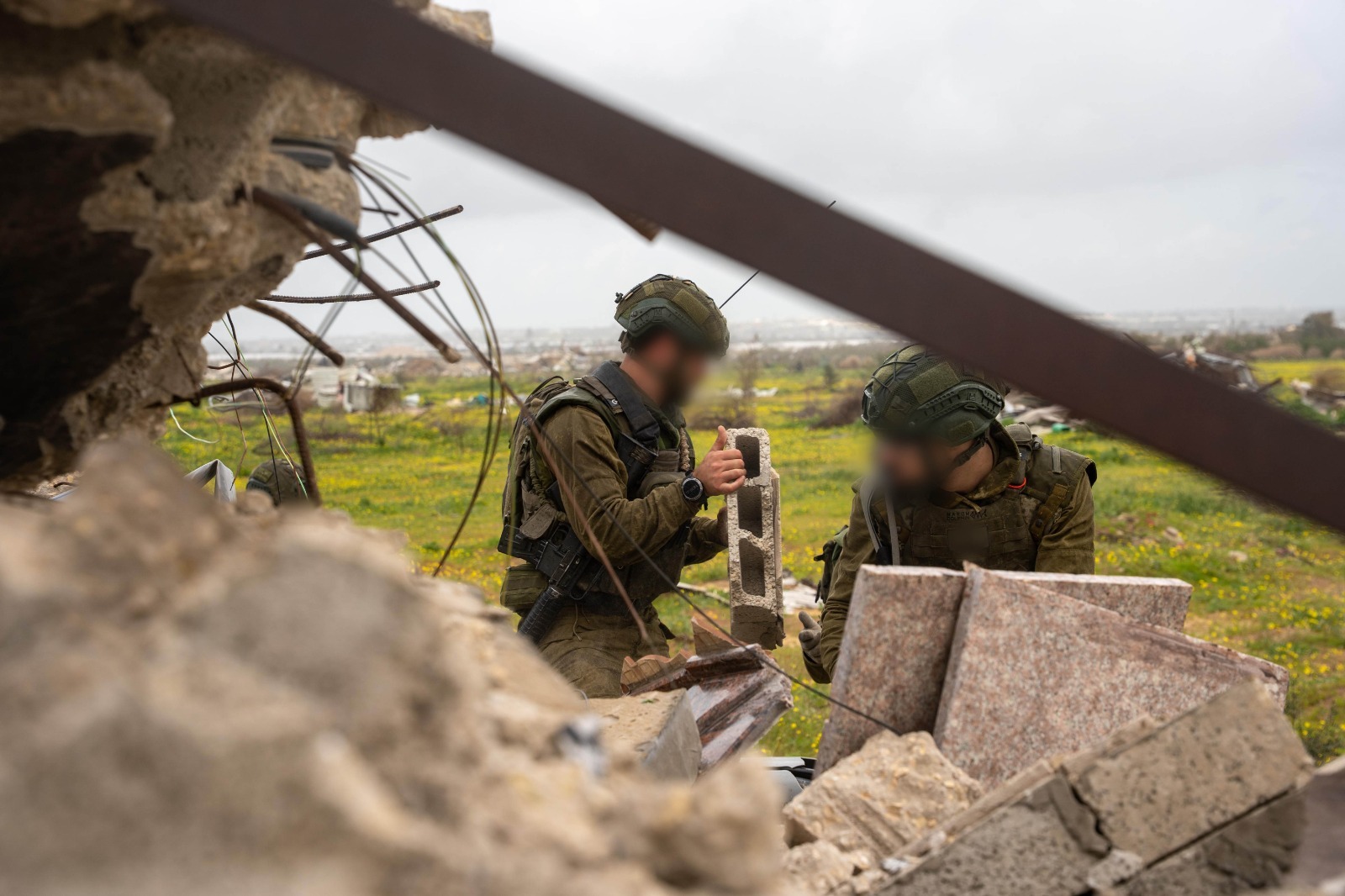
Without sleep and after an all-night effort, they walked on foot from the border to a point in the southern Gaza Strip, where they arrived for the week’s final activity in a maneuver extraction. “The scenario was an explosive device detonation in the Strip, which caused a building collapse on an infantry force,” he details. “For many hours, the trainees’ abilities were tested in shaft searches, searching for and rescuing trapped individuals in a built-up and destroyed area, while understanding they were in enemy territory.”
And these days, in two moving ceremonies, dozens of male and female trainees are completing their training and officially taking on command responsibilities in the Rescue Brigade. This is the largest officer completion course in the brigade in recent years, following the opening of a fifth battalion and the expansion of the command staff. Now, all that remains is to wish all the graduates success as NCOs and platoon leaders in the training base, in the battalions, and in the courses, and may they stand firm in the challenges surrounding them.
Related Topics