










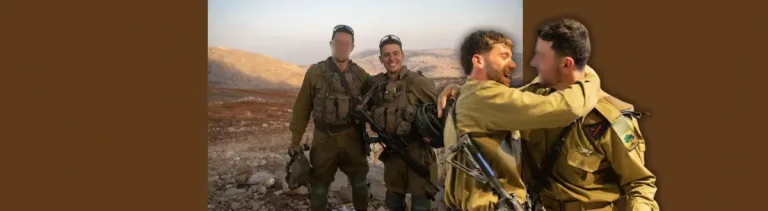
I meet Cadet O’, by the sea in Netanya, where the 74th cohort of ‘Gafen’ cadets are in their tenth week, moments before completing their training. As you read these words, they have most likely already received their officer ranks.
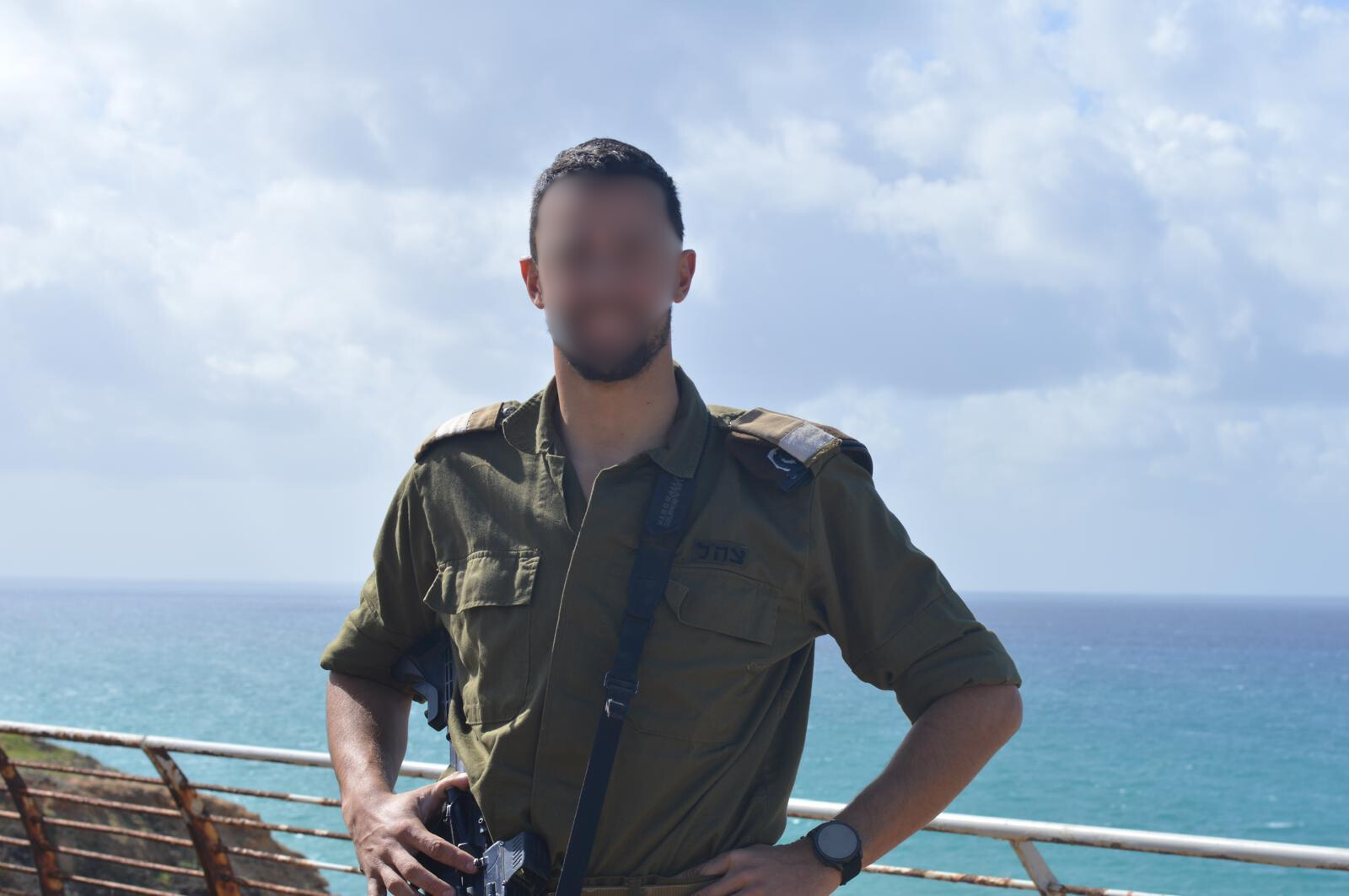
We sit down to talk about the reason that brought him here in the first place. Even before he says a word, I notice tattoos on his two arms: on the right, a sun and waves, on the left, a butterfly and a leopard. During our conversation, I will understand that these are mementos of his friends who are no longer alive – which he carries daily on his body, and forever.
“This one is for Yam,” O’ smiles as he explains the tattoo on the right, and immediately clarifies who he is referring to – Sergeant Major Yam Fried, may he rest in peace, who was his partner from the first moment in the army, and continued with him as a close friend in the Biran team: the nuclear family of the Golani Reconnaissance Unit.


The two began their shared journey in November ’23, when they enlisted together in the naval commando unit, Shayetet 13. Although they were in different platoons, they remained close enough for their connection to continue during the intensive training. “Yam was the friend you saw only once in a while, yet still kept in close touch with,” he describes, “very quickly he became the first person I went to when I needed to talk, consult, and vent.”
When each of them moved to a different unit, they faced a similar dilemma – where to go from here, and would they remain close despite everything? “Yam joined the Golani Reconnaissance Unit, and I decided I would join him. He didn’t believe it would work out – and I told him he would see that it would happen.”
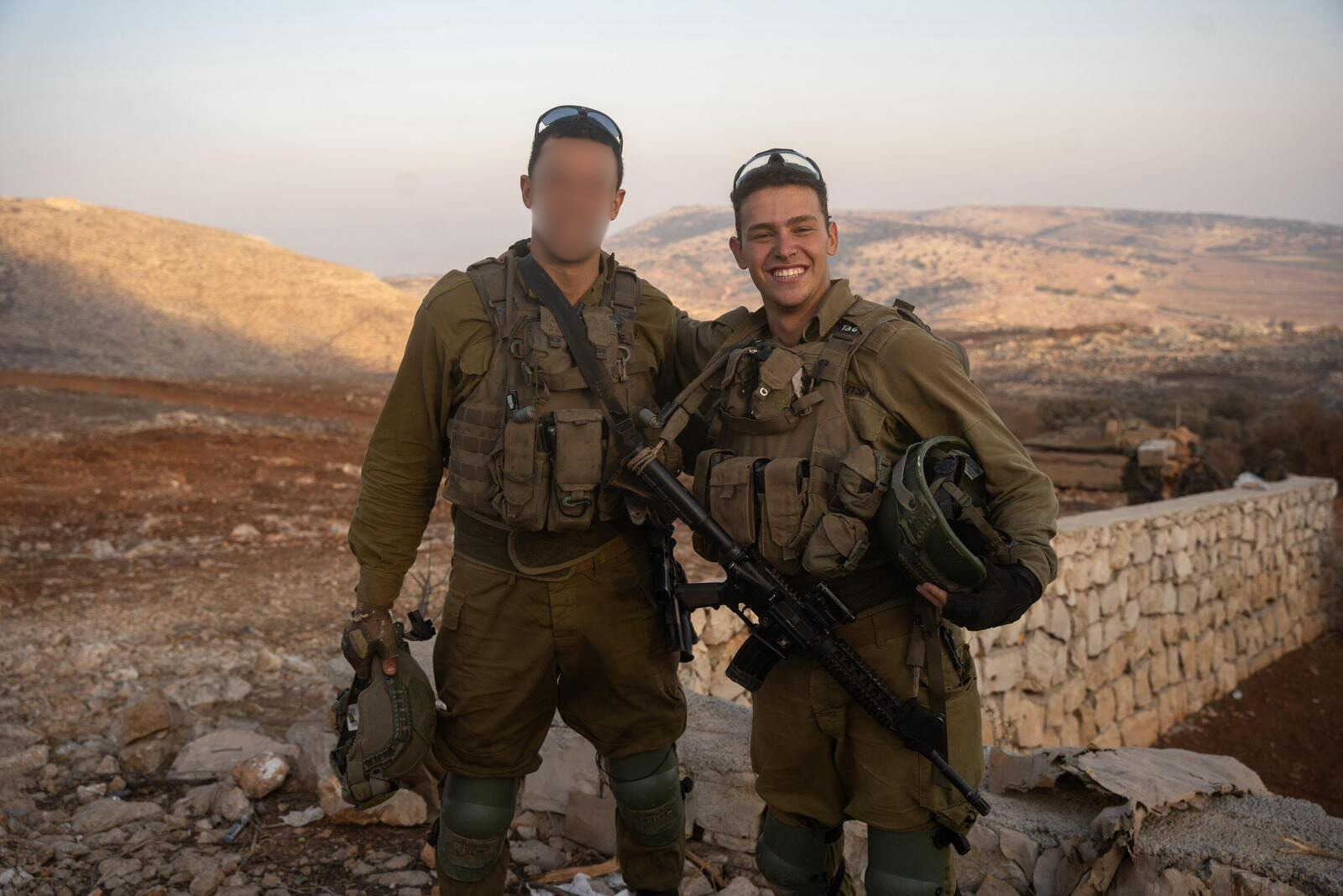
And just as he promised, after two weeks of effort, O’ reported to the reconnaissance unit. “It was as if my legs took me straight to him,” he recounts, “I always knew I wanted to be on the front lines: to lead and change reality. The fact that it was with Yam only strengthened my certainty that this was the place for me.”
Indeed, another thing united the two – the desire to influence the next generation of combat soldiers. “We talked a lot about education, meaning, and leadership. Yam was a man of values: writing, planning, thinking, and feeling. I went to the NCO course, and he was supposed to go in the next cycle. Unfortunately, he didn’t get to. But I know that if he had been an NCO – he would have been the most amazing NCO in the IDF.”
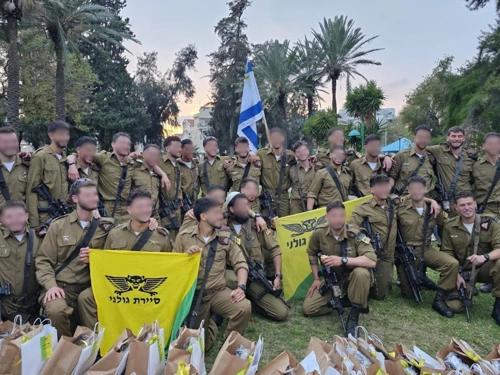
On May 8, 2025, the day Yam fell in battle in the Gaza Strip, O”s world stopped, but he gathered himself to remain stable – for his soldiers. “I remember it as if it were yesterday,” he returns to those painful moments, “I was just doing a drill with the recruits, and suddenly I received a call from my team members: ‘Yam was seriously injured in an explosion in Rafah, his condition is still unclear.'”
Three hours later, the second call came, and from then on, nothing looked the same. “I was in the parade ground to be with the soldiers. My friends told me exactly what I feared: ‘It’s final, he was killed.’ Tears immediately welled up. I saw the look on my soldiers’ faces – they understood, even without me having to say anything.”
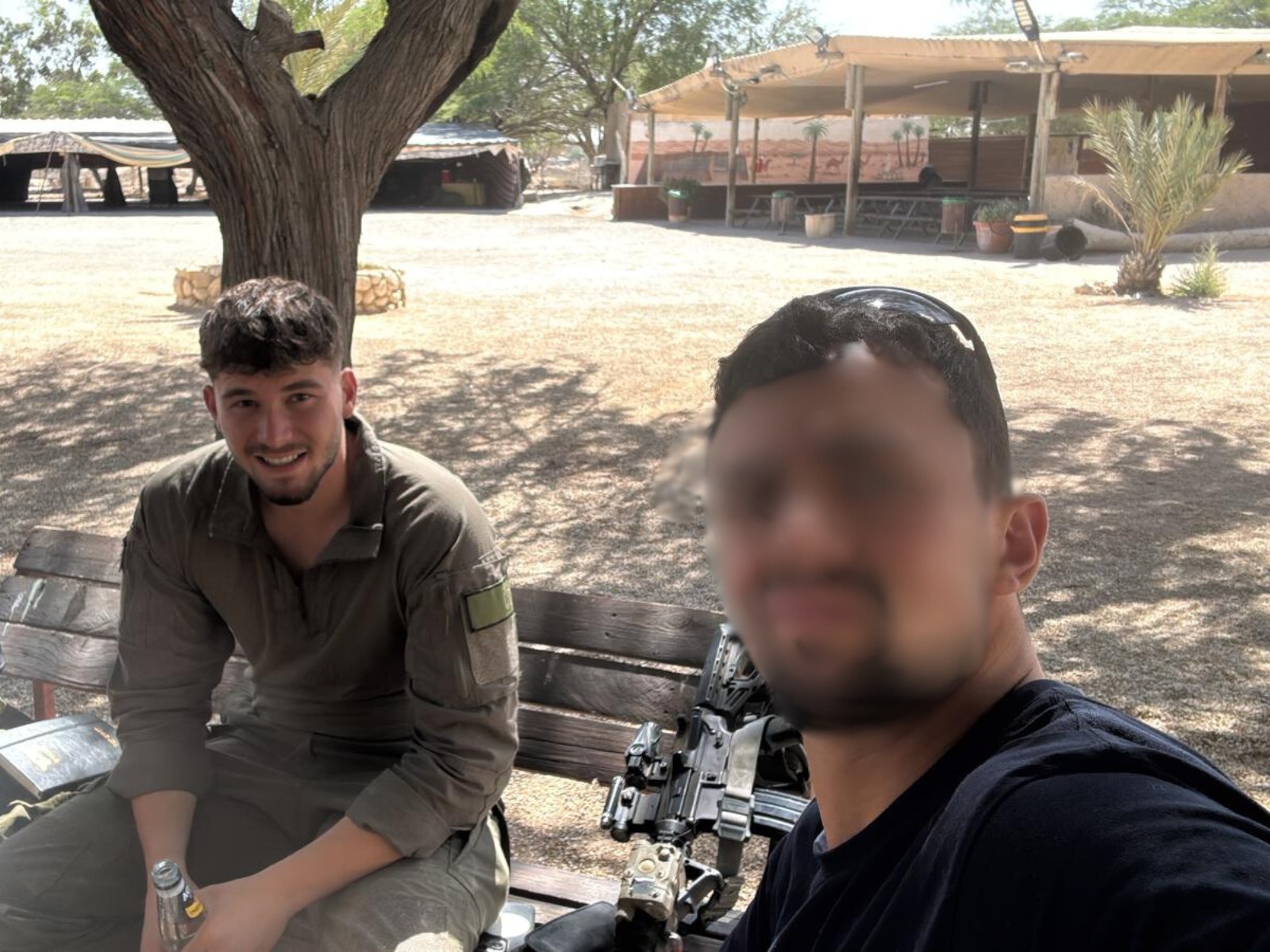
From that moment on, his concept of command was reshaped, and instead of hiding, he chose to expose the complexity and share it with his subordinates. “For me, it was a very clear decision: not to sugarcoat, not to minimize, to look the team in the eye and say – this is the price we pay. This is a painful opportunity to show them what it means to be a combat soldier in the Golani Reconnaissance Unit – and what the price of being on the front lines is.”
That very evening, O’ chose to take the first step in his personal journey of remembrance. “I wrote an eulogy for Yam. I wanted everyone to hear about him, to know him, to know who the fighters are because of whom we are here,” he says simply, adding that it didn’t stop there. “After some time, we went on a stretcher-carrying march, and at its end, there was a ceremony – where I also read the text I wrote for him to the soldiers.”
Since then, the desire to become an officer, which had already begun to take shape, received a significant boost. The days passed, and the preparation phase for the officer’s course began. If until that moment, Yam’s memory accompanied O’ – then with the fall of his commanding officer, Captain Roi Biran, may he rest in peace, in battle in Khan Yunis, the realization sank in that Yam was no longer the only one motivating him.
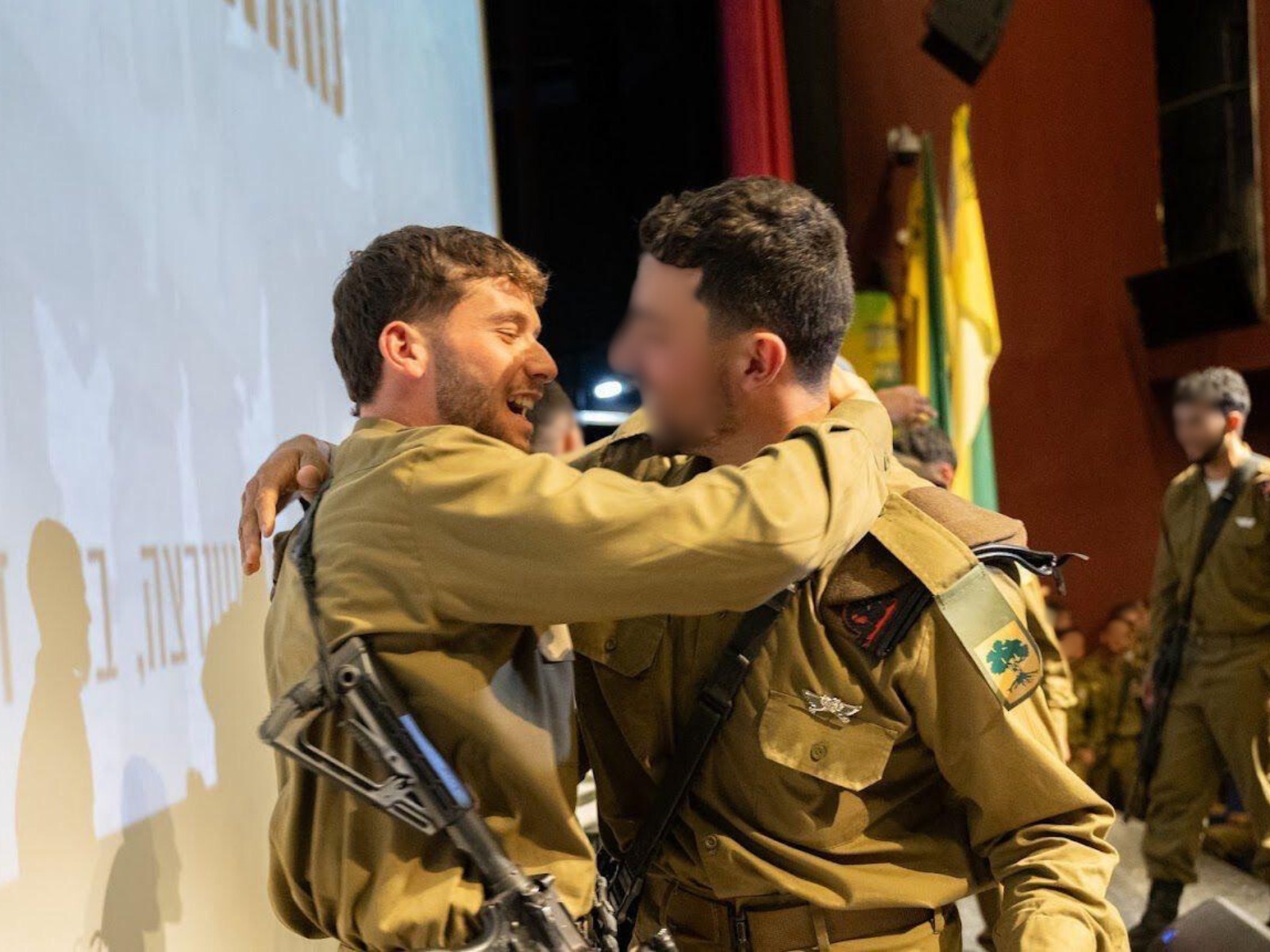
“It was on July 10, 2025, I was just a few days away from starting the course. And then the news about Roi arrived,” he becomes serious, letting the last sentence hang in the air.
“It’s not for nothing that we are ‘Biran’s team’,” he says with a smile, “He had a combination of authenticity, seriousness, dedication to the mission, and at the same time, a lot of sensitivity. Far from being a commander by virtue of his rank – in my eyes, he was the best commanding officer in the IDF.”
O’ slightly lifts his left sleeve and shows me the second tattoo – a butterfly and a leopard, a memory of Roi. “He is precisely this combination – sharp, offensive, and strong, and at the same time, sensitive and empathetic,” he explains.
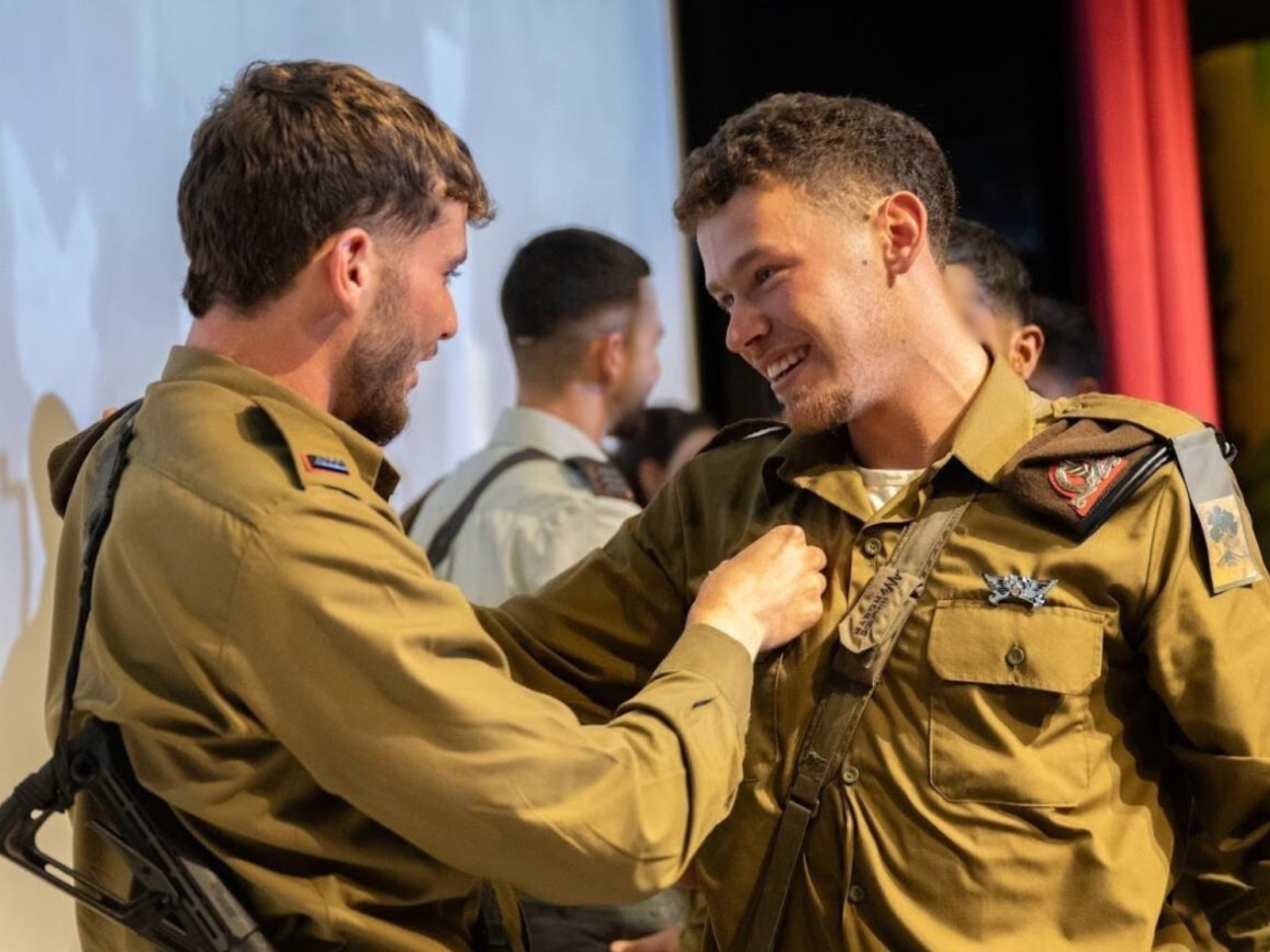
On the right: Yam and Roi, may they rest in peace
At this moment, O’ returns again to the promise he made even before Bahad 1, during one of his meetings with Yam’s family, may he rest in peace. “A month before I went to the officer’s course, we sat together, and I told them that my team would be Yam’s team, named after him.” He pauses for a moment and adds, “And then Roi fell, and suddenly there are two people in the equation – and both of them are shaping my command approach.”
Looking ahead to the role that awaits him just around the corner – a platoon commander for recruits, O’ already knows well what he will take from each of them going forward: “I am opening a platoon with Yam to my right and Roi to my left. Yam represents camaraderie, modesty, and joy, and Roi represents responsibility, sensitivity, and competitiveness. They are the essence of the commander I want to be, and more importantly – the person I choose to be.”
At the ceremony itself at Bahad 1, he says that Yam’s and Roi’s families will come to accompany him – and something in his tone changes slightly. It seems that this detail, which should bring joy and strength, also emphasizes what is so deeply missed. “On the one hand, I am fulfilling our dream, and on the other hand – they will not be here to see it. One thing I know: everything I build from here on, I will build with them, in their light, and thanks to them.”
Related Topics