














The ongoing fighting on multiple fronts has proven that the language and combat doctrine we knew before October 7th have changed, and a recalculation is necessary. From this very point, fundamental changes have emerged throughout the IDF: operational methods that have been adopted, frameworks that have been built, and even others that have returned to prominence after several years.
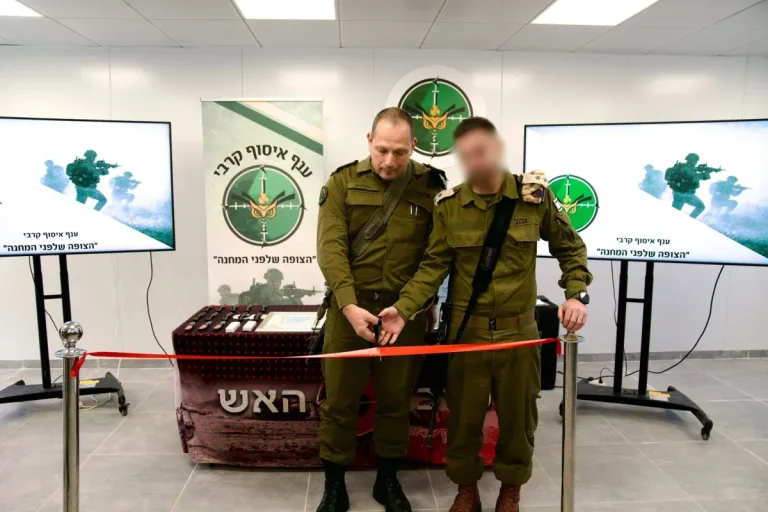
As part of an extensive process in the Combat Intelligence and Border Defense Corps in recent months, the “Combat Intelligence” branch was “inaugurated” again last week at the National Training Center in Tze’elim. It was closed about a decade ago, following organizational changes in the Ground Forces, and is now returning to the field with a clear agenda: to prepare all forces (reserves and active duty) for war and large-scale maneuver, and to also serve as a professional home for the various elements within the corps.

The decision to reopen the branch’s doors was made based on several lessons learned from the war, and even led to an expanded response. Beyond the intra-corps solutions the branch will provide, it also includes the observation companies (from infantrymen to tank crews) – who will now be able to train at the facility, which was not the case in its previous configuration. Since these forces are already integrated within the maneuvering brigades, synchronization between the different disciplines is particularly important on the combined battlefield.
“We chose to establish the branch specifically under the Fire Center – based on an operational concept that connects the eye to the barrel,” explains the Head of the Combat Intelligence Department, Lt. Col. K’, “This is reflected in the model we call the ‘Triangle of Lethality,’ which symbolizes the balance between intelligence, information, and fire.” In practice, it trains real-time closing of the loop – from the moment a target is identified in the field by a combat intelligence soldier, through information processing in the command post, to the allocation of a dedicated strike force within the fire complex.
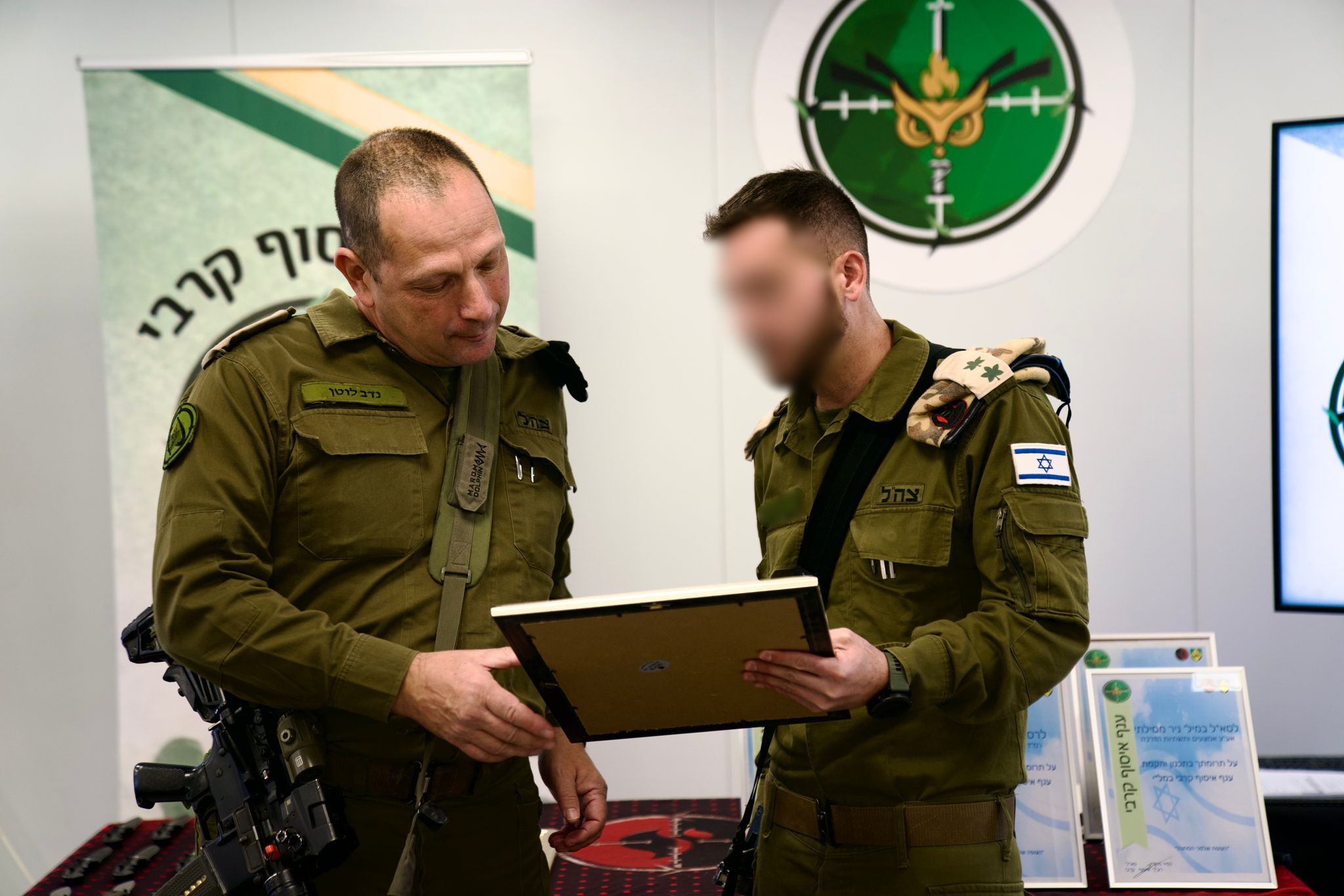
“In the last war, the significant weight of the intelligence field was understood even more, and how crucial its cooperation with other branches and bodies must be sharp and synchronized,” states the Head of Department, “With the events of October 7th, we saw that adaptations must be made to this triangle. If in the past it was easy to separate and talk about intelligence as an ‘intelligence’ matter and fire as an ‘operational’ object – today this separation is impossible. From there, the path to the decision was short – ‘We are bringing the branch back to life.'”
Its center is located in Tze’elim, but the training does not remain confined within the base’s boundaries. “According to need, our forces also go out to additional areas – from various bases in the region to the edges of the country. This is not just another routine facility – it is an infrastructure that trains units, brigades, and battalions for a variety of scenarios,” emphasizes Lt. Col. K’.
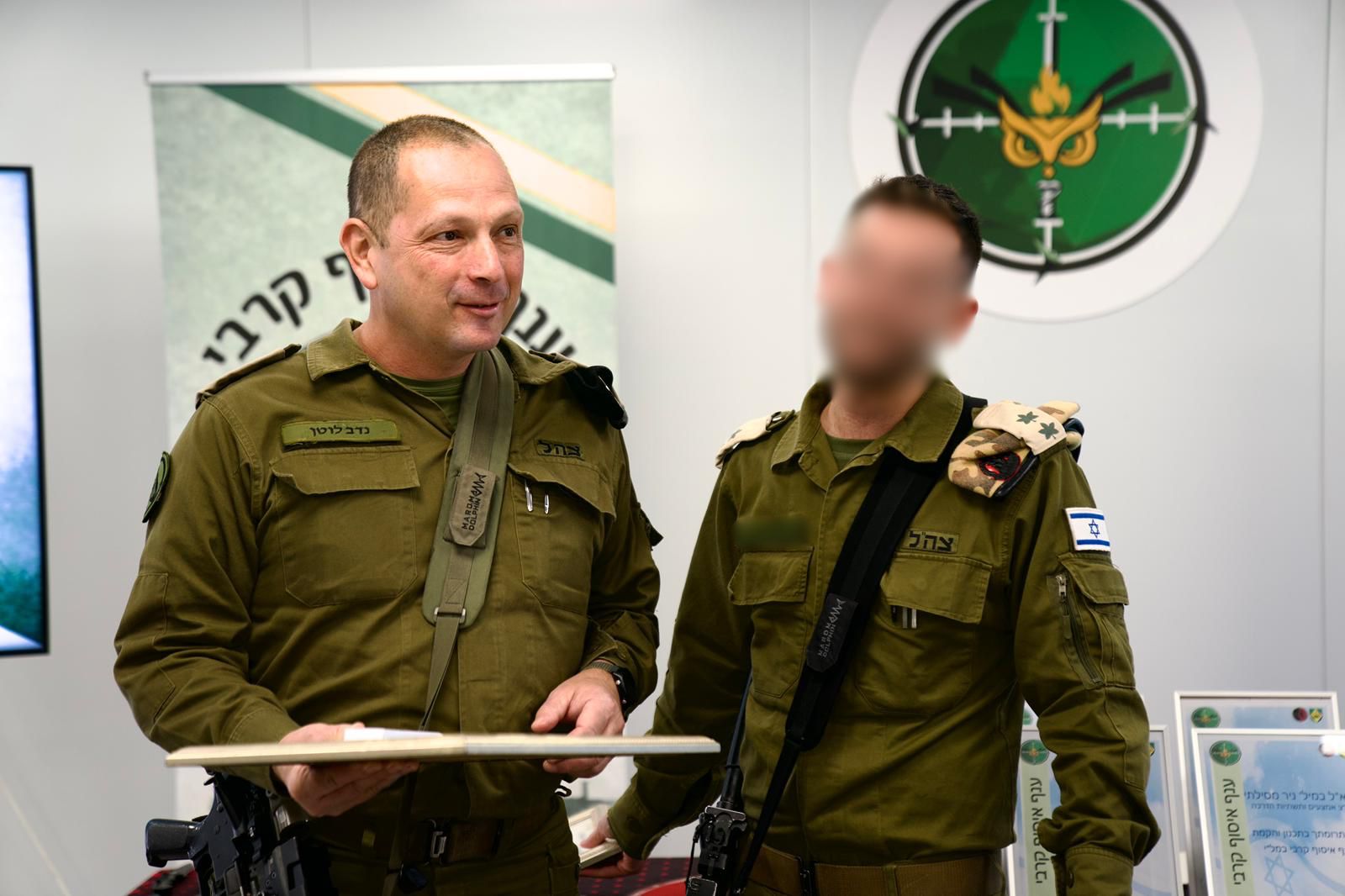
The facility was built to provide a systematic response to reserve and active duty intelligence companies and battalions during maneuver: maintaining proficiency, aligning standards, instilling a uniform professional language, and continuous training of what they have already encountered in war – “but a structured training framework did not always exist.”
This demand is particularly sharpened by the threats of the future battlefield. “The entire field of military equipment has developed significantly, especially drones – and therefore, alongside intelligence and observation, a critical component has been added – camouflage. We are placing a strong emphasis on this, because it is very possible that the next war will be fought with means that require an almost perfect ability to blend into the terrain.”
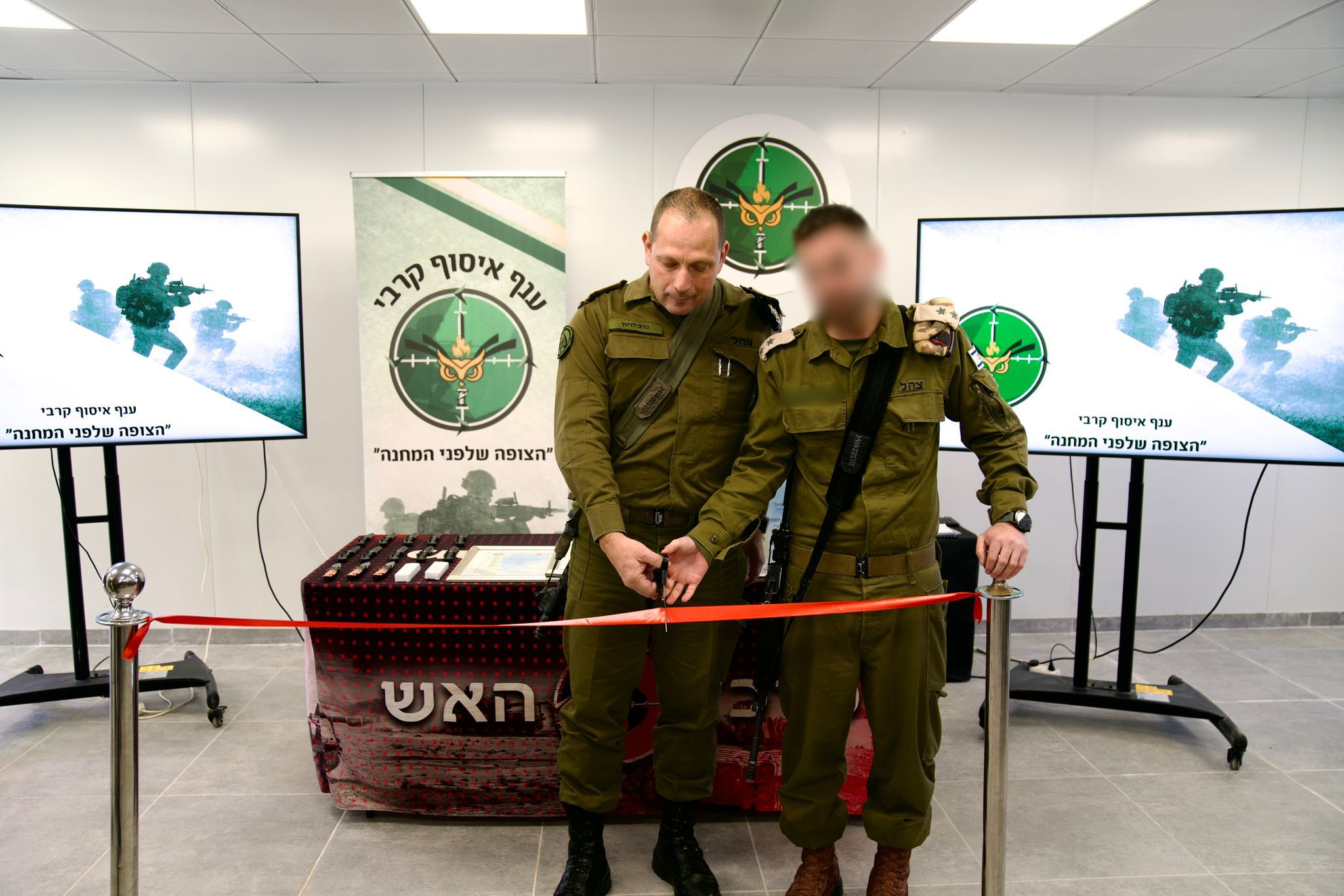
And as mentioned, this renewed opening is not standing alone – it is part of a larger puzzle of a series of changes occurring in the corps – which includes closer cooperation with the other branches of the IDF, strengthening operational readiness and training regularity, and organizational changes that include the splitting of training bases and the separation between the two different professions within them. “This is the home of our fighters, and their place to maintain proficiency even during maneuver – and this is the goal we have before our eyes.”
Related Topics