





















By Pesach Benson • February 2, 2026
Jerusalem, 2 February, 2026 (TPS-IL) — A new archaeological exhibition marking the 60th anniversary of the Israeli Knesset building opened Monday at the parliament complex in Jerusalem, bringing together rare material evidence of Jewish life in antiquity and the modern institutions of Israeli democracy.
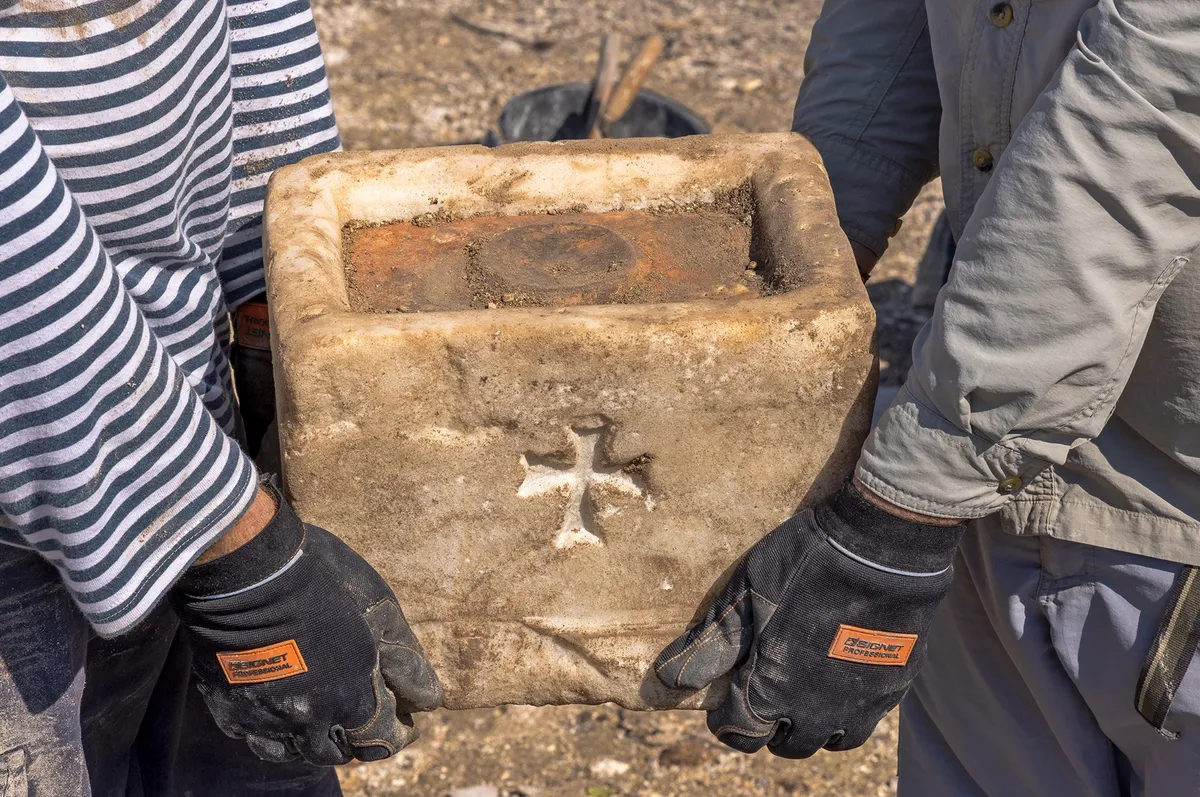
The exhibition, curated by the Israel Antiquities Authority and installed at the Knesset in cooperation with the ministry of Heritage, publicly displays for the first time a large stone storage vessel dating back some 1,800 years. The vessel was recently uncovered during a joint Israel Antiquities Authority and KKL-JNF excavation at the Pundaka de Lavi site in the Lower Galilee, carried out as part of an educational and community-based dig.
The exhibition was launched during the Knesset’s annual open house event, held on the holiday of Tu B’Shevat, which also marks the anniversary of the parliament building in Jerusalem’s Givat Ram neighborhood. Beyond the vessel itself, the display traces the historical development of Jewish leadership institutions, from the Great Knesset and the Sanhedrin of antiquity to the establishment of the modern Knesset of the State of Israel. Tu B’Shevat marks the beginning of the trees’ new fruit-bearing cycle. The holiday is marked by planting trees, eating fruits associated with the land of Israel, and events stressing ecological awareness.
Knesset Speaker Amir Ohana said the exhibition highlights the continuity of Jewish sovereignty across millennia. “The Knesset building, marking 60 years, is another link in a long chain of sovereign Jewish leadership, which was severed in exile and renewed with the establishment of the State of Israel,” Ohana said. “Two thousand years of Jewish life in exile did not extinguish the dream, which was realized with the establishment of the State of Israel.”
“The exhibition displayed at the Nation’s House connects the roots of Jewish democracy in antiquity to the modern Knesset and reminds us that the characteristics of the Knesset are deeply rooted in the history of the Jewish people,” he added. “The exhibition opening as part of our open house events allows the general public to encounter this story at the heart of the parliamentary building.”
The centerpiece of the exhibition is the large stone storage vessel, believed by some scholars to be the “qalal” mentioned in Jewish sources. Standing about 80 centimeters high and 50 centimeters in diameter, the vessel is notable both for its size and for its context within a Jewish settlement from the Roman and Byzantine periods that is referenced in Talmudic literature.
“Stone vessels made of chalk limestone earned special importance in Jewish society, since, according to Halacha, Jewish law – unlike pottery vessels – they do not become impure,” said Noam Zilberberg, excavation director on behalf of the Israel Antiquities Authority. “While small stone vessels, such as cups and bowls, are known in the Galilee, large vessels of this type are quite rare.”
Dr. Einat Ambar-Armon, director of the Israel Antiquities Authority’s Northern Region Community-Educational Center, said the discovery sheds light on the character of Jewish life in the Galilee during the Mishnah and Talmud periods. “This find reflects a high level of strict halachic adherence and a cohesive and well-defined Jewish lifestyle and illuminates the character of the Galilee as an active and vibrant living space during the Mishnah and Talmud periods – the very region within which the leadership of the Jewish people also flourished and functioned,” she said.
minister of Heritage Rabbi Amichai Eliyahu described the exhibition as a powerful bridge between past and present. “The new exhibition in the Knesset building bridges, in a deeply moving manner, our ancient past and our present of regained sovereignty,” he said. “The unique archaeological findings testify to the depth of the Jewish people’s roots in their land and to the continuity of our heritage.”
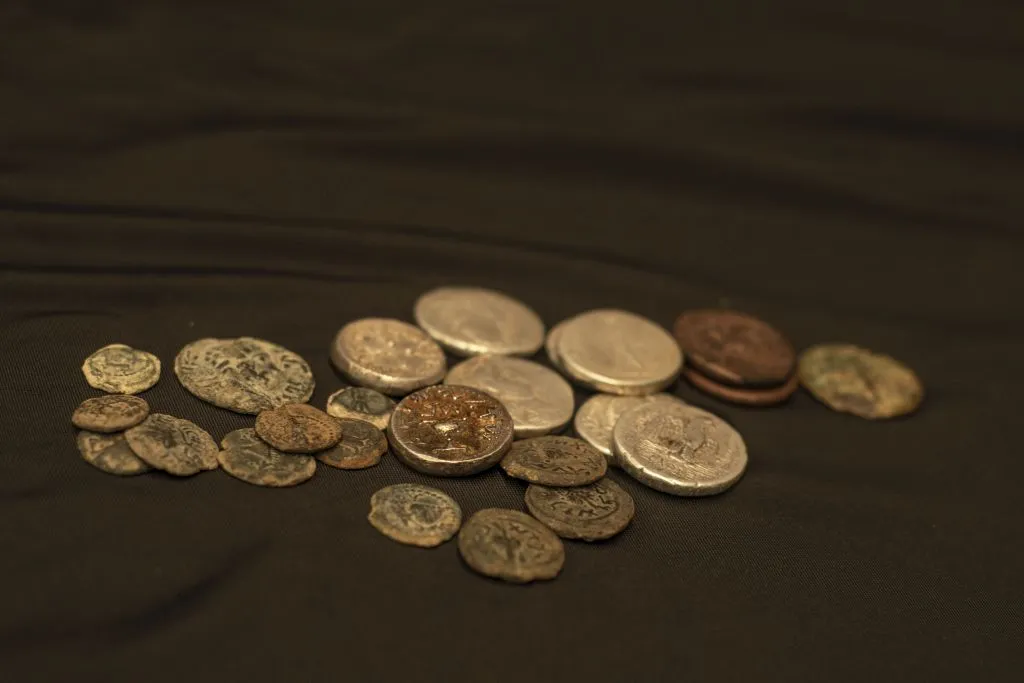
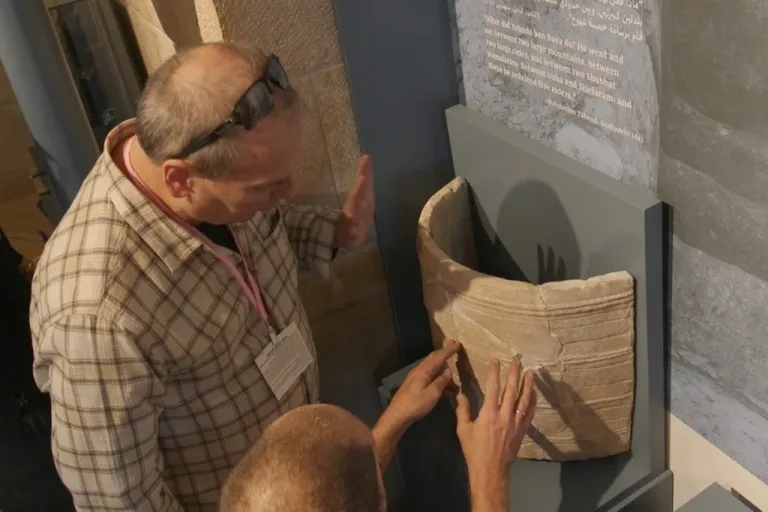
Additional artifacts on display include a rare Hebrew inscription connected to the Sanhedrin, assembled from two fragments discovered a century apart and now shown together for the first time, as well as coins from Zippori attesting to Jewish minting activity under Roman approval, and a basalt door from Tiberias decorated with a seven-branched menorah.
Related Topics