
By TPS-IL • May 4, 2026
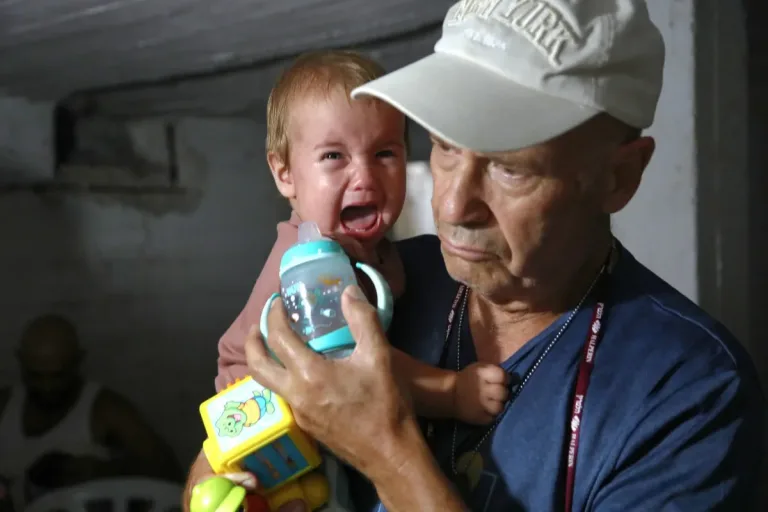
Jerusalem, 4 May, 2026 (TPS-IL) — Young Israeli children are more affected by their parents’ emotional responses to conflict than by the frequency of air raid sirens, according to a University of Haifa survey, highlighting the central role of parents in shaping children’s responses during wartime.
The survey, conducted during the fighting with Iran in March and recently released by the university, found a clear link between parental distress and children’s emotional and behavioral well-being, even as no significant connection was found between the level of exposure to sirens and children’s stress levels.
The lead researcher, Professor Yael Mayer from the university’s School of Therapy, Counseling and Human Development, told The Press Service of Israel that the findings underscore the need for both practical and emotional support for parents during emergencies.
“Parents need help, because they are the anchor for their children,” Mayer told TPS-IL. “We found that what really affects children is not reality itself—like sirens or routine disruptions—but the way a parent mediates it to them. If the parent shows distress, it will directly affect the children, and vice versa.”
Mayer said the survey sought to understand how frequent missile alerts, explosions, disrupted routines, evacuations, and, in some cases, having relatives involved in combat, affect young children and the emotional environment of the home.
Based on a representative sample of 128 parents of young children, the study examined levels of parental anxiety, post-traumatic symptoms, and burnout, alongside parents’ assessments of their children’s emotional and behavioral functioning.
The findings revealed a striking gap between exposure and response. While about 66% of parents reported experiencing three or more sirens per day, only 13.3% of children were reported to show high levels of stress.
In contrast, the emotional state of parents showed a strong and statistically significant connection to children’s well-being. As parental anxiety and burnout increased, so did the likelihood of stress and functional difficulties among children, along with a decline in positive social behavior, the researchers found.
Overall, about 44% of parents reported moderate to severe anxiety, and 25.8% reported post-traumatic symptoms.
“In times of crisis, children look at their parents’ response to see whether they should be afraid or remain calm and collected—and this is critical at younger ages,” Mayer said.
“Therefore, community, welfare, and health institutions must provide support for parents. They can be taught how to help their children in emergency situations—how to be active listeners, and how to give confidence.”