






















By TPS-IL • January 21, 2026
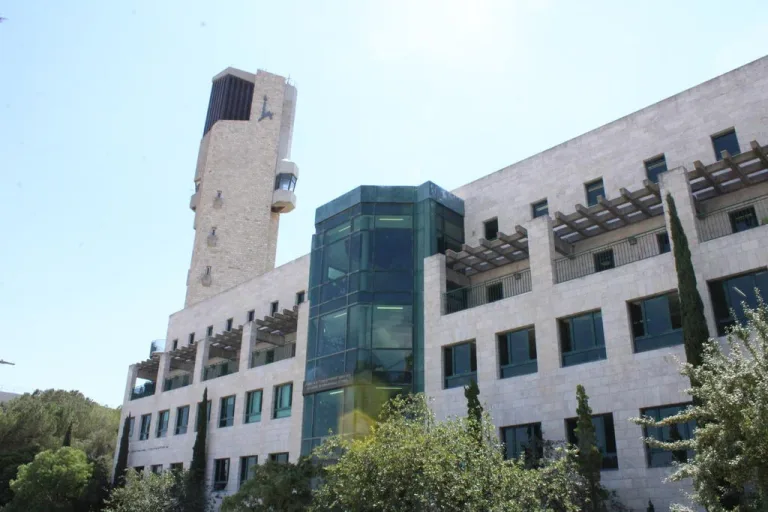
Jerusalem, 21 January, 2026 (TPS-IL) — A new Israeli study offers a possible explanation for why some cancers become more aggressive over time, pointing to a weakness that could one day be exploited for treatment.
Researchers explained to The Press Service of Israel that the same genetic machinery that allows tumors to grow at extremely high speed may also damage their DNA. While the instability fuels cancer’s rapid progression, it could also expose new vulnerabilities for future treatments.
“We identified a mechanism by which cancer cells strain their own DNA. And we mapped, for the first time, breaks in the cancer cell’s DNA. We showed that they are located in genes that the cancer cell cannot survive without,” Professor Rami Aqeilan of the Hebrew University of Jerusalem told TPS-IL. Aqeilan was the research leader.
“As the tumor progresses, more breaks are caused, and the cell overcomes them efficiently but not perfectly. And this is where we can outsmart it, hopefully,” he explained. “This is both a strength and a weakness of the cell. So if we can activate more breaks and then delay repair, we can perhaps make the cancer cell destroy itself.”
At the center of the study, published in the peer-reviewed Science Advances, are structures known as super enhancers. These are powerful genetic control regions that act like turbochargers, forcing certain genes to operate at extremely high levels. In healthy cells, such intense activity is rare and tightly regulated. In cancer cells, however, super enhancers are often hijacked to keep growth-promoting genes running constantly.
The scientists found that the relentless activity comes at a cost. By pushing genes to work overtime, cancer cells create physical stress on their DNA. Using advanced genome mapping techniques, the researchers found that some of the most severe forms of DNA damage, known as double-strand breaks, repeatedly occur in the very regions controlled by super enhancers. These breaks are among the most dangerous types of genetic damage a cell can sustain.
While cancer cells are often able to repair this damage, the process is not always precise. Over time, repeated cycles of DNA breaking and repair can introduce errors, leading to new mutations. This helps explain how tumors accumulate genetic changes, adapt to hostile conditions such as chemotherapy, and become more aggressive.
The implications go beyond understanding cancer biology. Because tumors rely so heavily on these overstressed genetic regions, they may also be especially sensitive there, Aqeilan said.
By developing drugs that disrupt super enhancer activity, scientists could specifically weaken cancer cells without affecting normal cells, since healthy cells do not rely on these extreme genetic processes. Therapies could also be designed to increase DNA breaks or inhibit repair mechanisms, pushing cancer cells beyond their repair capacity and causing them to die—essentially using the cell’s own growth mechanism against it.
Moreover, by interfering with the DNA stress-repair cycle, treatments could potentially slow down the development of resistance, making long-term cancer control more achievable.
“This is the next phase. We want to take this basic molecular understanding and translate it therapeutically into treatments that can selectively destroy violent cancer cells. We can use the cancer cells’ own mechanism against themselves,” Aqeilan said.
Related Topics