

By Pesach Benson • May 3, 2026
Jerusalem, 3 May, 2026 (TPS-IL) — Israel’s Health Ministry on Sunday published recommendations from a professional committee calling for a sweeping overhaul of medical cannabis regulation in Israel, including a dramatic proposal to phase out the use and marketing of smoked cannabis within three years.
The committee, chaired by Dr. Gilad Bodenheimer, head of the ministry’s Mental Health Division, was tasked with reducing risks and improving safety in medical cannabis treatment.
According to data presented by the committee, around 140,000 Israelis currently hold medical cannabis licenses, compared to about 33,000 in 2019, with 62% consuming more than 30 grams per month.
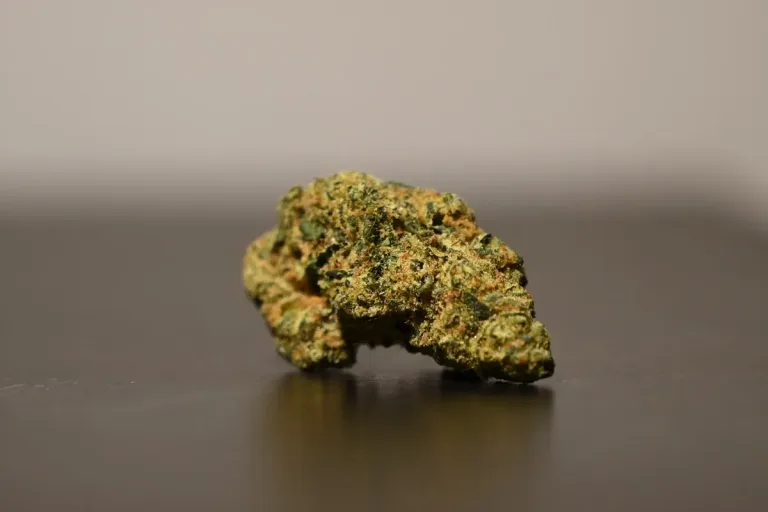
The central recommendation is to end smoking as a mode of medical cannabis administration within three years and shift patients toward cannabis extracts (oils) and precision inhalers. At present, 87% of prescriptions and licenses are for smoked cannabis, a method the committee says is not medically optimal.
The report stated that smoking leads to inconsistent dosing and absorption and may encourage patterns that endanger public health. The committee further recommends that all new treatments begin only with oils or inhalers, while existing patients will be gradually transitioned away from smoking products during the interim period. Only patients over the age of 75 or those who are terminally ill would be considered for continued smoking-based treatment during the transition.
The committee also called for transferring full responsibility for prescribing, monitoring, and approving medical cannabis to the health maintenance organizations, which would use a unified prescription system and oversee ongoing treatment. Under the proposed framework, renewal of prescriptions beyond six months would require a face-to-face consultation with the prescribing physician, ensuring closer clinical oversight.
Another key recommendation is the integration of cannabis education into medical, nursing, and pharmacy training programs, aimed at improving professional knowledge and reducing misuse.
A significant portion of the report addresses post-traumatic stress disorder (PTSD), especially in light of increased demand since the outbreak of war. The committee urged “extreme caution” in prescribing cannabis for PTSD, noting that while potential harms are documented, therapeutic benefits remain insufficiently proven.
The report warned of possible long-term impairment in functioning and recommended cannabis only in cases of severe distress such as insomnia or flashbacks, and only alongside evidence-based psychotherapy. “The study indicates a risk of long-term damage in post-traumatic stress disorder,” said the report.
In addition, the committee recommends systematic screening for addiction risk before treatment begins, requiring physicians to complete assessment questionnaires and avoid prescribing to high-risk patients. A protocol will also be introduced to discontinue treatment in cases of suspected abuse, including frequent doctor switching, aggression, or requests for unusually high doses.
“According to the trends, there may be more harm than benefit — we have entered a process that could produce harm — and that is why the committee was established,” said Bodenheimer. “We want to maximize the potential benefit and minimize the possible harm. The most important thing is for patients to understand that in most cases, cannabis is not the treatment itself but rather an accompaniment to treatment.”
The committee also warned that addiction risks may exceed 20% even among medical users, and called for increased clinical awareness of warning signs to prevent patient deterioration.