









By Pesach Benson • January 7, 2026
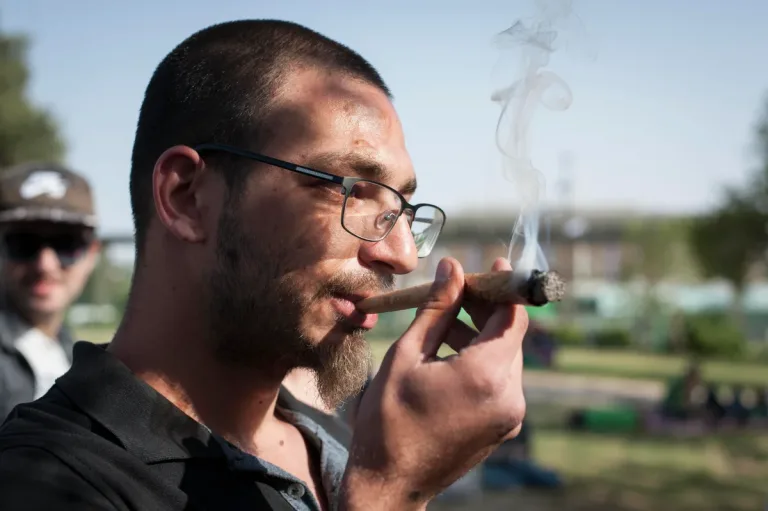
Jerusalem, 7 January, 2026 (TPS-IL) — The Knesset’s Special Committee for Combating Drug and Alcohol Abuse met on Wednesday to address the rising use of addictive substances among soldiers suffering from post-traumatic stress disorder (PTSD) during two years of war. The discussion, chaired by MK Ariel Kellner (Likud), focused on treatment options, Rehabilitation, and the growing reliance on medical cannabis among disabled soldiers.
Tzuriel Friedman, a disabled soldier and CEO and founder of the Grow Like Victors association, shared with lawmakers his account of struggling with PTSD and thoughts of suicide.
“I had five suicide attempts, one of them by hanging,” Friedman said. “I was saved only because the rope broke. I was clinically dead. I was addicted to pills. Today, I am treated with cannabis, and I have a family, a career, and an association that helps other soldiers.” Friedman described how his organization supports soldiers and civilians dealing with addiction to alcohol, drugs, and medications, helping them regain a sense of purpose through sports, physical activity, and community integration. He urged lawmakers to recognize these soldiers as their own children and called for immediate action to strengthen rehabilitation and mental health support.
Dr. Mordechai Lobotsky, deputy chief physician at the Ministry of Defense, presented statistics highlighting a surge in medical cannabis use among disabled soldiers.
“Since the outbreak of the war, the number of IDF disabled personnel treated with medical cannabis for PTSD has increased by 140%,” Lobotsky said. Currently, approximately 6,000 soldiers receive funding for medical cannabis, with about 3,500 new patients added over the past two years. Lobotsky emphasized that the Rehabilitation Division primarily funds treatment but lacks the resources for comprehensive therapy.
PTSD is a mental health condition triggered by experiencing or witnessing a terrifying event. Symptoms include flashbacks, nightmares, severe anxiety, and uncontrollable thoughts. People with PTSD often avoid reminders of the trauma and may experience negative changes in beliefs and feelings. The condition is typically managed with therapy and medication.
In two years of war, more than 3,700 Israeli soldiers have been diagnosed with PTSD, while another 9,000 have applied for recognition.
During the discussion, some lawmakers expressed concerns about the reliance on cannabis for treatment. MK Akram Mahson (New Hope) questioned whether medical cannabis is the appropriate response, citing the potential involvement of senior officials in the industry.
Kellner stressed the importance of a holistic, national approach. “This is our commitment as a country, as a society, and as a Knesset. The fight against mental trauma is no less important than the fight on the battlefield. We need mental strength, social solidarity, and mutual guarantee,” he said, pledging continued cooperation with government officials to expand support for PTSD patients.
Medical cannabis is legal in Israel and regulated by the Health Ministry, allowing patients with approved conditions to receive cannabis-based treatment under medical supervision.
Related Topics