






















By Pesach Benson • April 12, 2026
Jerusalem, 12 April, 2026 (TPS-IL) — COVID-19 may leave a longer biological footprint on the lungs than previously understood, according to a new Israeli-U.S. study that links prior infection to a modest increase in Lung Cancer risk. The research points to the virus’s spike protein as a possible driver of a chain reaction involving inflammation, scarring, and immune changes in lung tissue, offering a potential explanation for how post-COVID lung damage could, in some cases, progress toward cancer, Hebrew University of Jerusalem announced on Sunday.
While researchers stress that the overall risk to any individual remains small, they say the findings are significant because they move beyond earlier observations of post-COVID lung scarring and propose a specific molecular pathway that could connect infection to cancer development, particularly among higher-risk groups such as smokers.
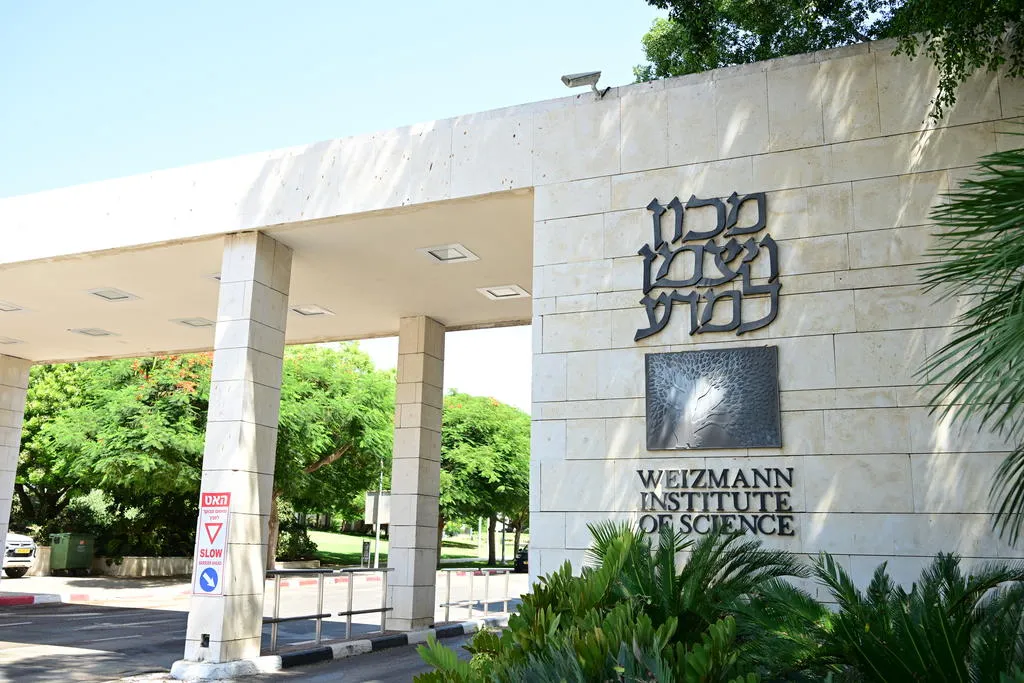
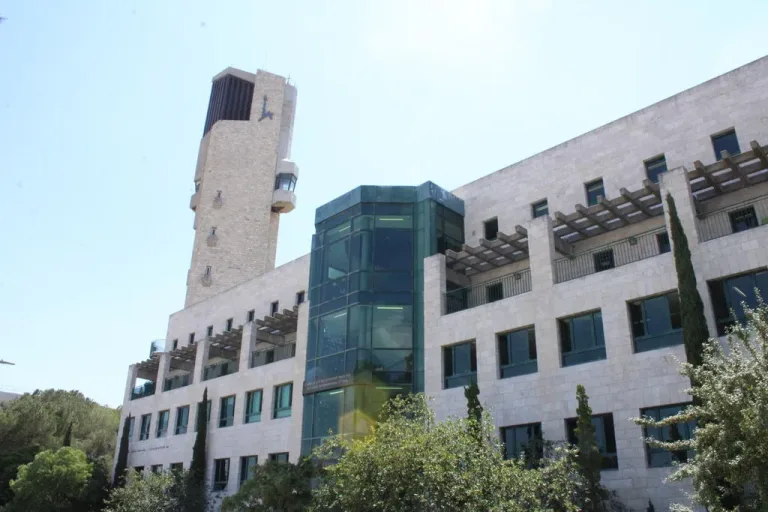
The study was conducted by Prof. Alex Gileles-Hillel of the Hebrew University of Jerusalem and Hadassah Medical Center, together with international colleagues, including researchers from Marshall University, a US-based university in West Virginia. Published in the peer-reviewed Frontiers in Immunology, the research combines large-scale health data analysis with mechanistic biological research to explore whether SARS-CoV-2 infection itself, and specifically its spike protein, may contribute to long-term changes in lung tissue.
Clinicians had previously observed that some COVID-19 survivors develop interstitial lung fibrosis, a condition involving permanent scarring of lung tissue that is known to increase cancer risk. However, the biological link between infection and tumor development has remained unclear. As the researchers explained, “The key question was whether the virus itself, particularly its spike protein, could set the stage for cancer.”
To investigate, the team analyzed medical records from more than 166,000 patients using the TriNetX global health database, carefully matching cohorts to control for demographic differences and underlying risk factors. The results showed that COVID-19 survivors had a statistically significant increase in lung cancer diagnoses compared with non-infected controls.
The study found a 22 percent relative increase in lung cancer risk, with a hazard ratio of 1.50 and statistical significance at P < .001. The effect was most pronounced among current smokers. Notably, researchers did not observe a similar increase in oral or bladder cancers, a pattern they say supports a lung-specific mechanism rather than a general rise in cancer risk.
Researchers say this organ-specific signal is one of the key reasons the findings are notable, as it aligns with a targeted biological process rather than a broad systemic effect. “These findings suggest that COVID-19 is not only an acute illness, but may also have long-term implications for Lung cancer risk,” the scientists noted.
The most novel aspect of the study is the identification of a potential molecular pathway linking SARS-CoV-2 infection to tumor-promoting changes in the lung. At the center of this pathway is an enzyme called thymidine phosphorylase (TYMP), which appears to play a key role in translating viral injury into long-term inflammatory and structural changes.
Activation of TYMP was associated with increased lung inflammation, enhanced fibrosis, and collagen deposition, along with activation of STAT3, a signaling pathway widely implicated in cancer development. It also appeared to shift immune activity toward a tumor-supportive environment in lung tissue.
“This suggests that TYMP doesn’t just influence tumor growth — it reshapes the entire immune environment of the lung in ways that can promote cancer,” the researchers explained.
The study also found that the SARS-CoV-2 spike protein may alter ACE2 receptor processing in lung cells, producing molecular fragments consistent with increased tissue turnover and ongoing damage. Researchers say this supports a stepwise cascade beginning with viral interaction and ending in long-term changes to lung structure and immune behavior.
The study does not suggest COVID-19 directly causes cancer, but rather that it may increase vulnerability under certain conditions. While the findings point to a possible risk signal, the researchers stressed that the absolute risk for any individual remains modest. However, they argue that the combination of epidemiological data and a plausible biological mechanism makes the results important for long-term monitoring and future research, particularly in high-risk populations.
If confirmed in future studies, the findings could influence long-term follow-up care for post-COVID patients. Those who developed persistent lung damage, particularly interstitial fibrosis, may be considered for closer monitoring for early signs of lung cancer. The study also highlights smokers as a higher-risk subgroup.
In addition, identifying thymidine phosphorylase (TYMP) as a key driver could open the door to new treatments aimed at reducing lung scarring, chronic inflammation, and downstream cancer-related signaling such as STAT3 activation.
More broadly, the research may reshape understanding of how severe respiratory viral infections affect long-term lung health. It supports the idea that viruses can leave lasting molecular and immune changes in lung tissue, effectively “reprogramming” how the lung responds to injury, and could prompt further investigation into whether similar post-infectious pathways exist in other respiratory illnesses beyond COVID-19.
Related Topics