



















By Pesach Benson • December 3, 2025
Jerusalem, 3 december, 2025 (TPS-IL) — Israel and the United States signed a new agricultural trade agreement late Tuesday, setting what officials described as a long-term framework to boost competition, lower food prices and reinforce strategic ties between the two allies.
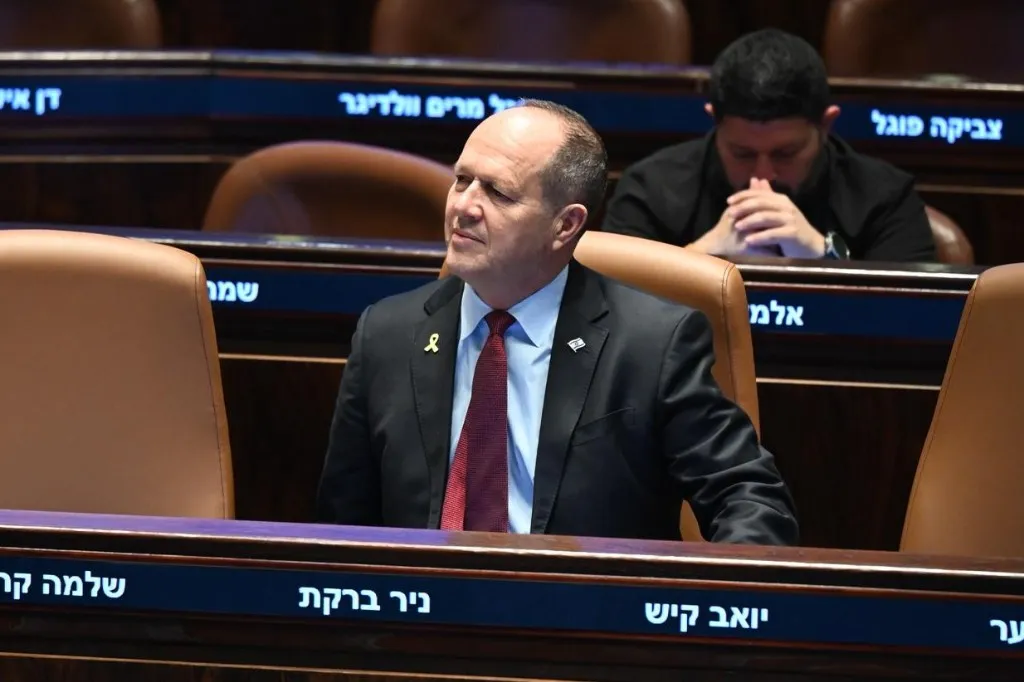
Minister of Economy and Industry Nir Barkat, who signed the agreement alongside U.S. Trade Commissioner Jameson Greer, said the deal reflects both economic necessity and strategic alignment.
“The new agreement is a significant step towards reducing the cost of living in Israel and strengthening strategic ties with the US – our most important economic and political partner,” said Barkat. “We have succeeded in creating a balanced framework that will increase competition, lower prices and give Israeli exports a renewed advantage in the American market. Alongside this, we are investing heavily in Israeli farmers, in order to maintain food security, strengthen settlement and protect the borders.”
The Agreement on Trade in Agricultural Products, or ATAP, replaces a temporary arrangement in place since 2004 and is intended to serve as the foundation for broader trade negotiations expected in the coming months.
Agriculture and Food Security Minister Avi Dichter said the agreement comes at a time when Israel faces growing challenges in global markets. “Increasing quality agricultural exports means higher quality and more available local produce,” he said. “In the anti-Israeli reality in countries that were once friendly and have become hostile, the US is an important anchor for Israeli food security. At the same time, we must identify the opportunities to realize the government’s decision to increase agricultural production by a third in the coming decade.” Dichter added that the agreement ensures “full shelves here, alongside significant support for Blue and White agriculture and food security.”
According to the ministries, the breakthrough came after extensive coordination between Israel’s Foreign Trade Administration and the Ministry of Agriculture’s Center for International Trade and Cooperation, resulting in understandings with the Trump administration on a permanent agricultural framework. Officials said the new pact ensures gradual changes to protect local producers and maintain stability in sensitive markets, especially the dairy sector, by avoiding abrupt tariff shifts that could “destroy agricultural sectors.”
Under the deal, Israel will grant duty exemptions to about 300 American food and agricultural products. Some exemptions will take effect immediately, while others will be phased in over the next decade. The list includes beef, poultry, lamb, dairy products, eggs, oils, juices, and a wide range of fresh and frozen produce. The changes are expected to increase imports, heighten competition and help ease consumer prices.
Negotiations are ongoing to secure expanded American concessions for Israeli exports, which Israeli officials say is key to restoring competitiveness in the U.S. market. About 70% of Israeli goods exports to the United States currently face new tariffs, and Jerusalem hopes to reverse that trend in the next stage of talks.
To help local producers adjust, the government is working on a national support plan built around technological innovation, including artificial intelligence and advanced agricultural tools aimed at improving efficiency and resilience.
The United States remains Israel’s largest trading partner. In 2024, Israel exported $17.3 billion in goods and $16.7 billion in services to the U.S., while importing $9.3 billion in goods and $4.8 billion in services.
The new agreement is scheduled to take effect on January 1, 2026.
Related Topics