






















By Pesach Benson • January 5, 2026
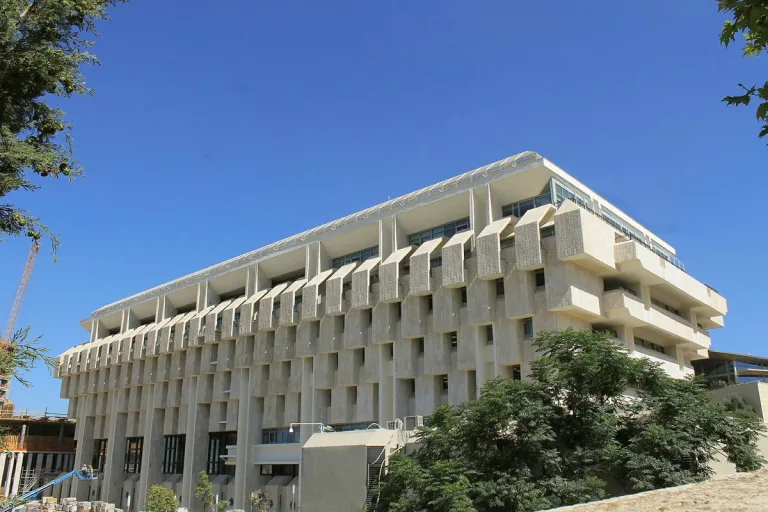
Jerusalem, 5 January, 2026 (TPS-IL) — For the second consecutive meeting, the Bank of Israel has lowered its key interest rate, cutting it by 0.25 percentage points to 4%. The prime rate now stands at 5.5%. The move came against the expectations of many economists at banks and investment houses, but was driven by a combination of a strengthening Shekel, declining inflation, and early signs of easing labor market pressures.
The Bank of Israel cited a 0.5% drop in the consumer price index in November and an annual inflation rate of 2.4%—well within the target range.
“Inflation expectations for the year ahead and subsequent years remain near the center of the target,” the Monetary Committee said, while noting that risks persist, including geopolitical developments, domestic demand, and the fiscal situation.
Since the previous rate decision, the Shekel has continued to strengthen against the dollar and the euro, and Israel’s risk premium has returned to pre-war levels. The local stock market has outperformed global markets, a trend the bank expects to continue. Analysts note that the recent interest rate cuts could further stimulate market activity: stock prices have risen sharply following last week’s reduction, and the new decision is expected to act as a catalyst for additional gains.
The Bank of Israel also highlighted the broader economic context. Its research division has revised growth forecasts upward, projecting a sharp acceleration in activity in 2026–2027, alongside moderate inflation, low unemployment, and ongoing credit expansion. The interest rate cuts are expected to contribute to a reduction in the state budget deficit, supporting overall economic stability.
Looking ahead, the bank signaled that further rate cuts are likely. “Interest rates are expected to fall at least three times this year,” the committee said, with the base rate potentially reaching 3.5% by the end of 2026—a full percentage point lower than in November 2025. At the same time, the bank emphasized that future policy will be guided cautiously, with the interest rate path depending on developments in inflation, economic activity, and security and fiscal uncertainty.
Related Topics