

















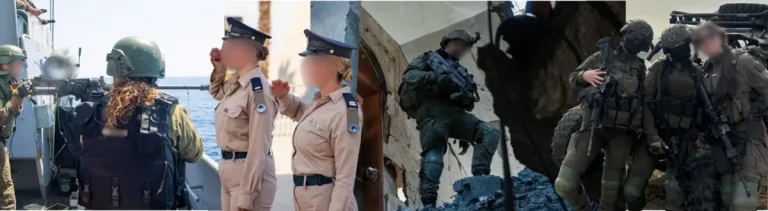
Rest assured that in over two years of fighting, they have already heard all the nicknames: “pioneers,” “trailblazers,” “glass ceiling breakers.” Sometimes it’s flattering, sometimes embarrassing, but mostly a bit strange. Because when they were there, Captain G. attacking the Syrian fleet, Lieutenant H. coordinating refueling sorties in ‘Lion’s Roar,’ Sergeant Majors N. and A. in Tulkarm, and Lieutenant A. crossing the Litani – none of them turned around thinking they were ‘making history.’ They were all simply focused on executing the mission at hand.
Captain G., a Naval Officer on INS ‘Sufa’
Among the first to attack the Syrian fleet in Operation ‘Bashan Arrow’
Captain G., who completed the naval officers’ course in September ’23, barely knew ‘routine’ during her military service. About a month after becoming an officer, she was already deployed to combat and entered an operational sequence of a type she hadn’t known before October 7th.
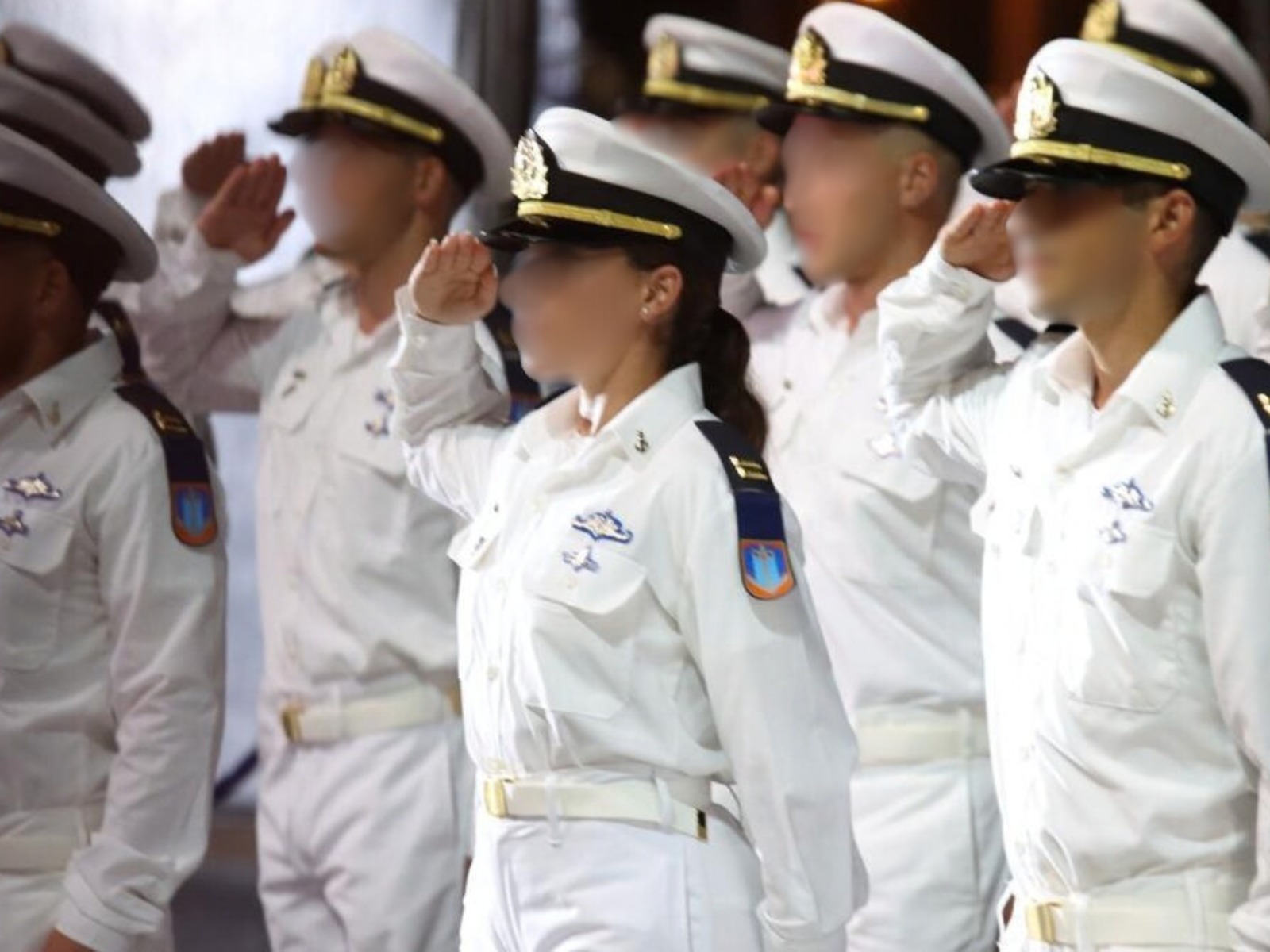
From that day on, their time at sea became almost continuous: “We go out, we come back, we handle things, and we sail again – often with no certainty about when we’ll return. It all depends on the mission and operational needs.” During a period that appears turbulent from the outside, one of the hardest parts came precisely in the in-between times – when you have to maintain focus in anticipation of what’s next.
In this tension, she found her role on the ship: an officer in the ‘attack team.’ The one who is supposed to take a general mission, translate it into precise planning, and then execute it with the team, which besides her, also includes a mission commander and a regular-duty controller. This is how their activity began in December ’24, as part of ‘Bashan Arrow’ – the operation launched by the IDF after the fall of Assad’s regime to the rebels in Syria.
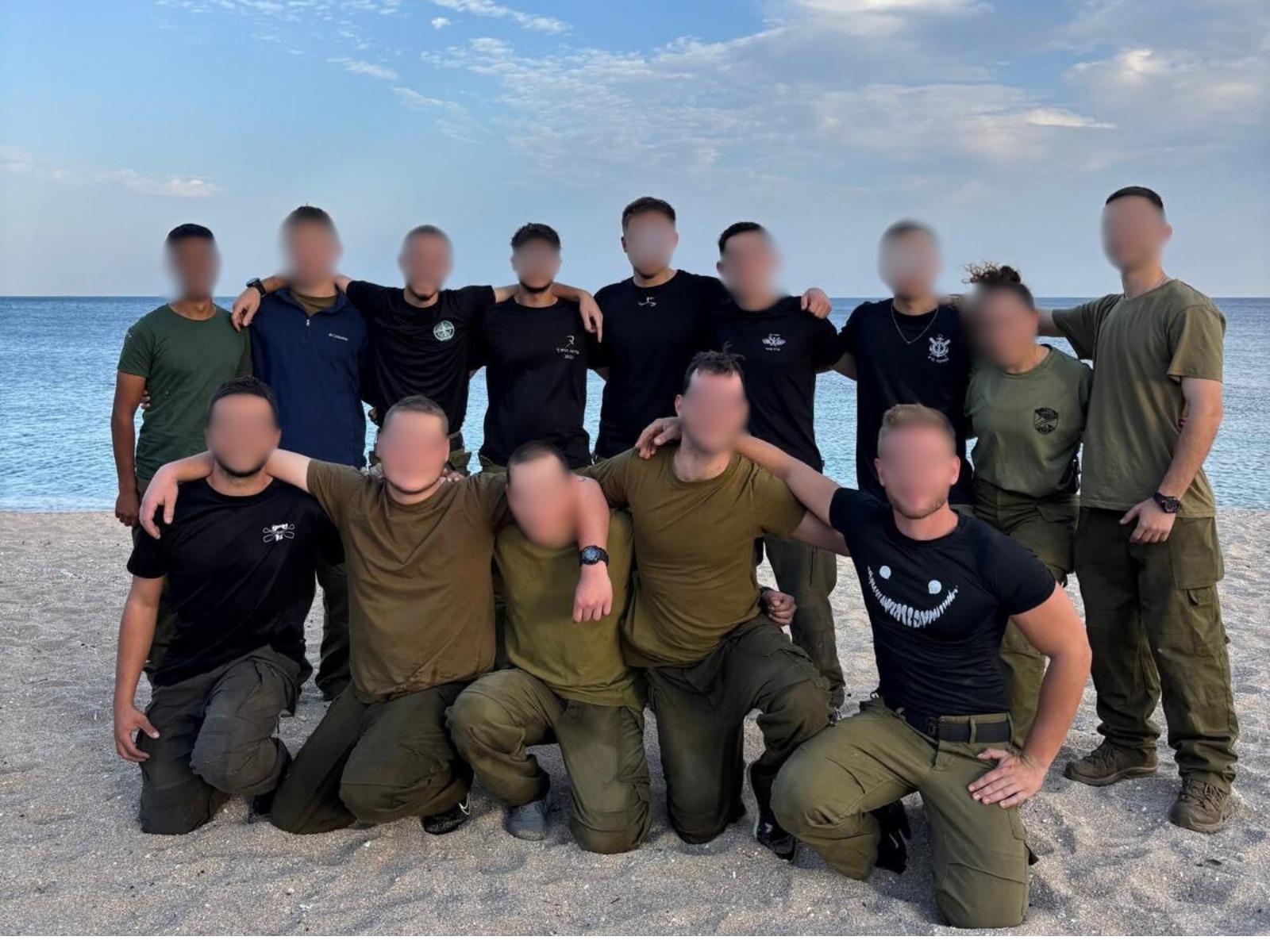
“It was a Sunday morning,” she recalls, “the ship’s commander gathered us and announced that we were going out for an attack with one goal: to destroy the Syrian fleet. That’s a big statement, and at first, it sounded distant, almost presumptuous. But from the moment the order was given, everything started moving – getting the ship ready to go to sea, and simultaneously planning the attacks and preparing for them. Within a few hours, we were already on our way.”
“We received a clear operational objective: to attack batteries and additional enemy targets to prepare the ground for the Air Force’s complementary entry. We were part of a complete chain, where each stage depended on the previous one,” she describes, “As soon as the attacks began, we launched munitions in the most extensive way I had ever known. We couldn’t believe we would launch such a quantity in such a short time and with such urgency.”
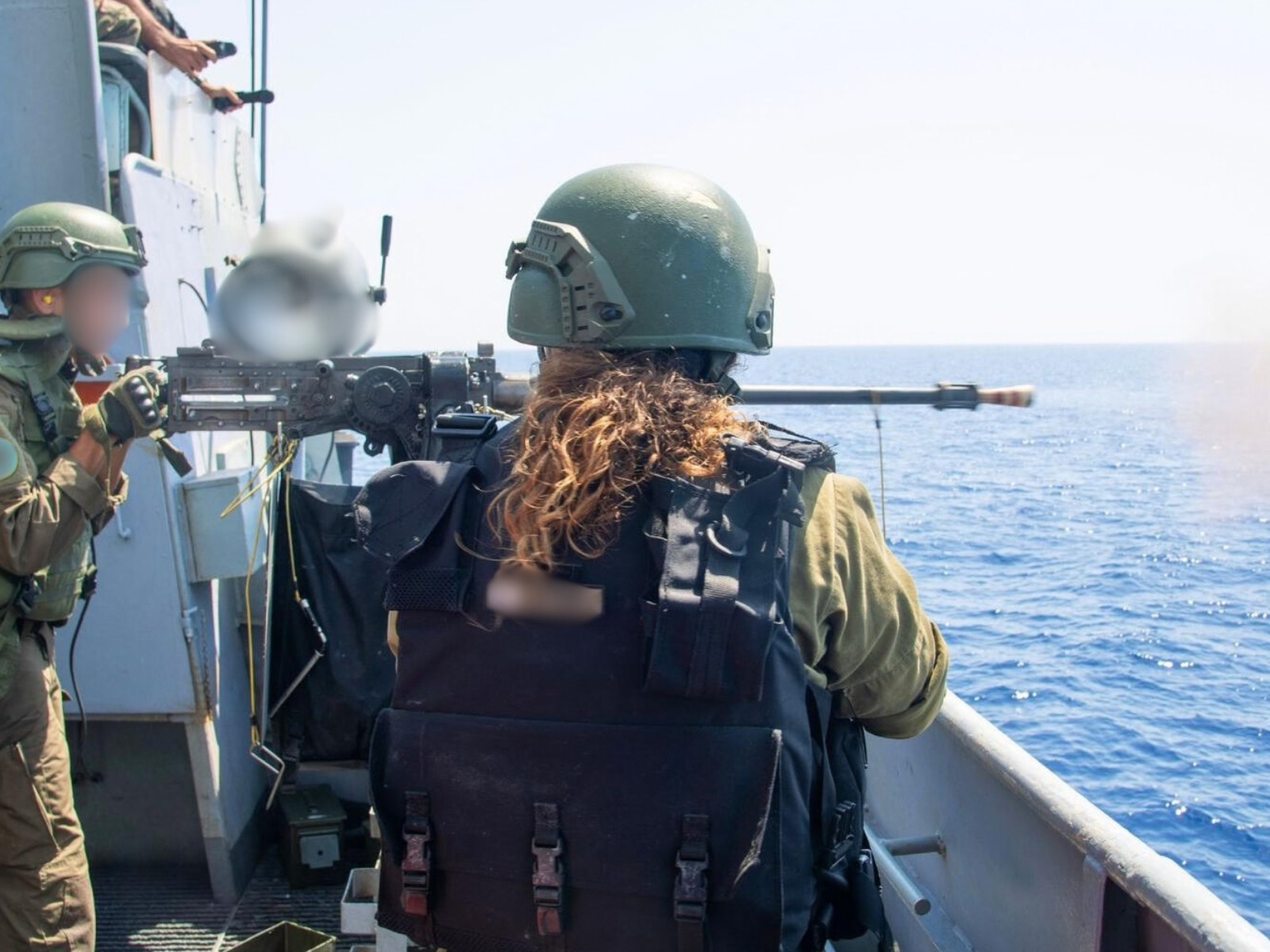
In retrospect, the groundbreaking Operation ‘Bashan Arrow’ managed to change reality within a few days. When I ask what exactly the result was, and what they were trying to achieve, she summarizes and seals her lips: “All the vessels that were targets were hit and sank – that’s all I can say.”
And what is important for her to emphasize, while continuing her operational activity as part of Operation ‘Lion’s Roar,’ is that it’s far from a personal story. “The attack on the Syrian fleet, however significant, is part of something much larger, of the work of the entire missile boat flotilla. There is no substitute for these female and male fighters. Everything we have achieved and will achieve – is thanks to them.”
Sergeant Majors N. and A., Fighters in the ‘Panther’ Battalion
The first to operate in Tulkarm during Operation ‘Iron Shield’
Sergeant Majors N. and A., the first female fighters to operate in Tulkarm during Operation ‘Iron Shield,’ reached that moment after many months in the various sectors of Judea and Samaria, which have two parallel aspects. “There is the routine warfare – patrols, guard duty, defending the sector,” N. describes the first, “and there are also the offensive activities – arrests and operations, which is a different world.”
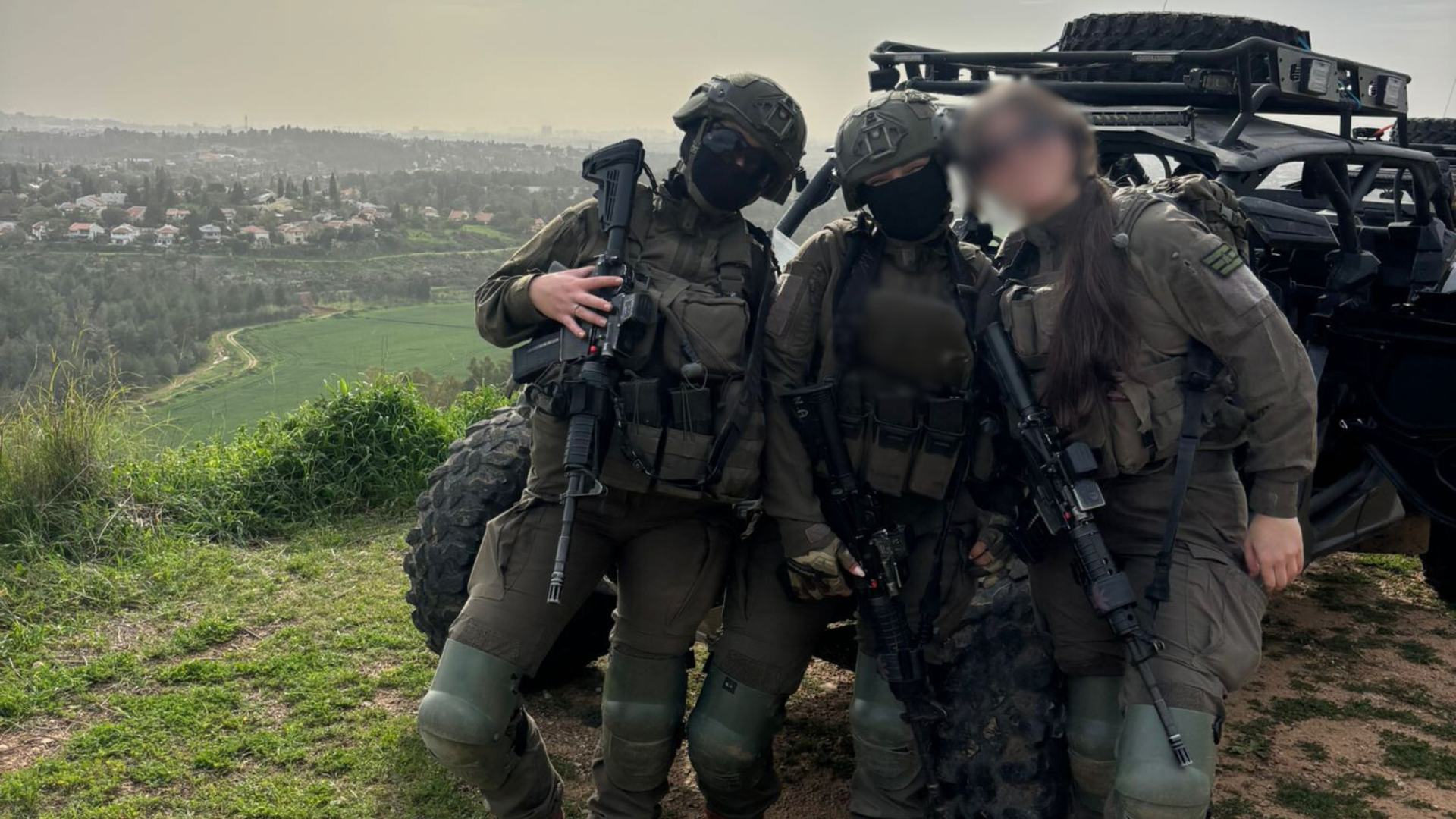
Despite everything they already knew, Tulkarm, they say, was something different. “We were there for almost a month, an entire company that focused all its efforts on fighting in the urban and dense terrain. This is the first time our battalion entered this city.”
Like any operation, meticulous preliminary preparations were made before ‘Iron Shield.’ “There is an orderly combat procedure,” they clarify. “Forces are prepared both operationally and in terms of drills and readiness: maps, neighboring forces, what the mission is, and what the objective is. In the end, you don’t just enter casually.”
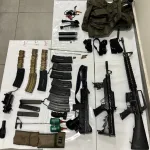
The main purpose of the entry was to ensure civilian security. “To handle all the weapons and ammunition issues and operate in the refugee camp – to thwart terrorists planning terror attacks.”
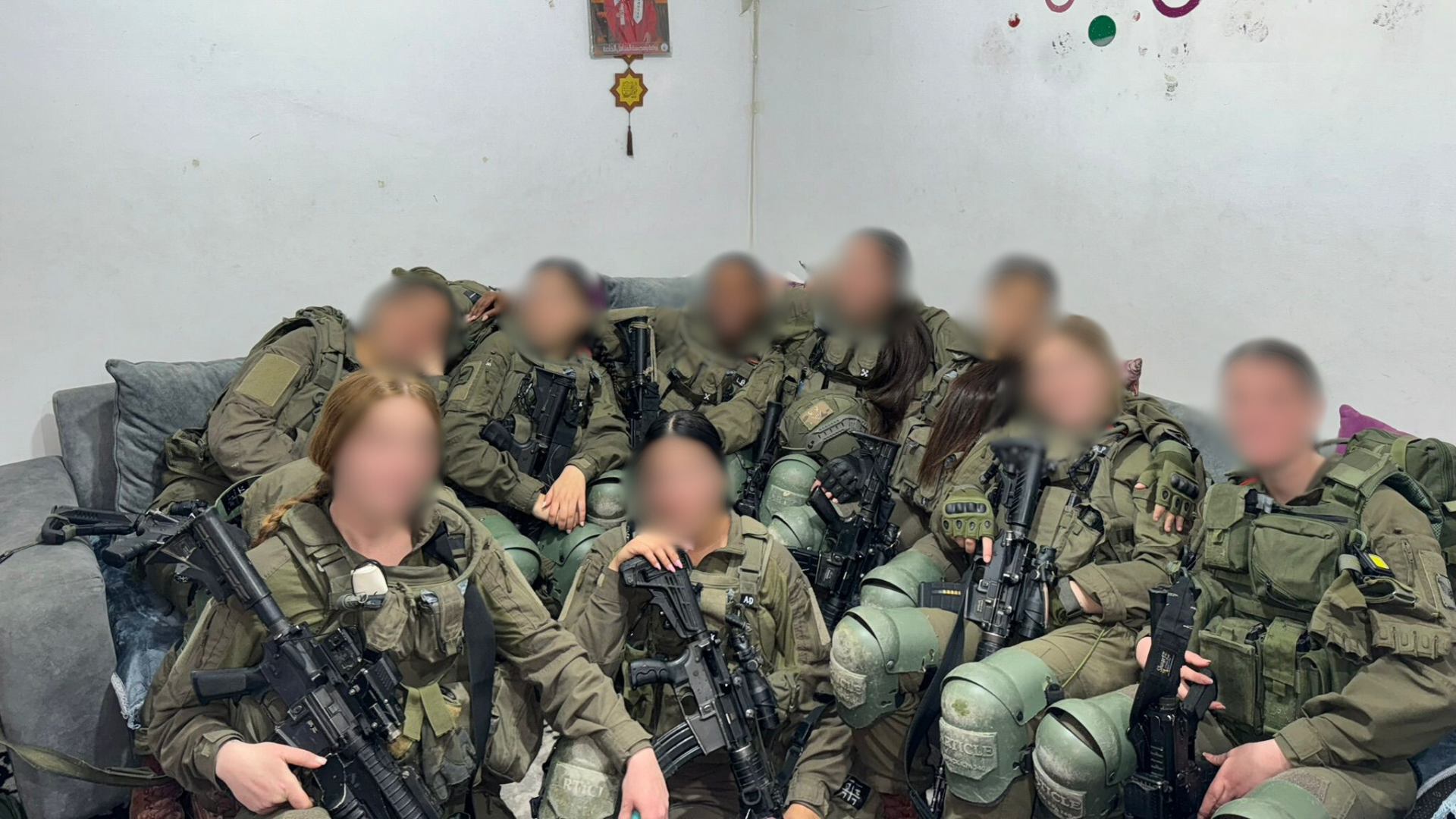
When I ask how it feels to be “the first” in such a place, they quickly bring us back to earth. “It’s a privilege and an opportunity to be there for the first time,” says N., “but it’s not that in the moment you tell yourself ‘I’m making history’ – far from it. Only after you leave, suddenly it sounds different,” Sergeant Major A. adds and admits: “Suddenly you realize that this thing was not a given.”
The memories that are most etched in their minds at the end are not just related to the action. Sergeant Major N. cannot forget the moment after they finished an activity in one of the settlements in Judea and Samaria during the ‘With All Your Might’ period, and the residents went out of their way to thank them: “That’s when I got such a boost of ‘Wow, you really give people a sense of security. This is why you chose this path.'”
Lieutenant A., Northern Operations Officer in the Operational Documenters Team
Among the first to maneuver beyond the Litani River in Lebanon
If I had asked Lieutenant A. on her enlistment day in November ’22, where she would find herself more than three years later, she would probably have laughed. Not out of disbelief, but because there are things that just don’t cross your mind: being with forces in the first maneuver in Gaza, going down into a tunnel for the first time you enter the Strip, and then one day receiving instructions to head north – and discovering the moment you enter much deeper than you ever imagined.
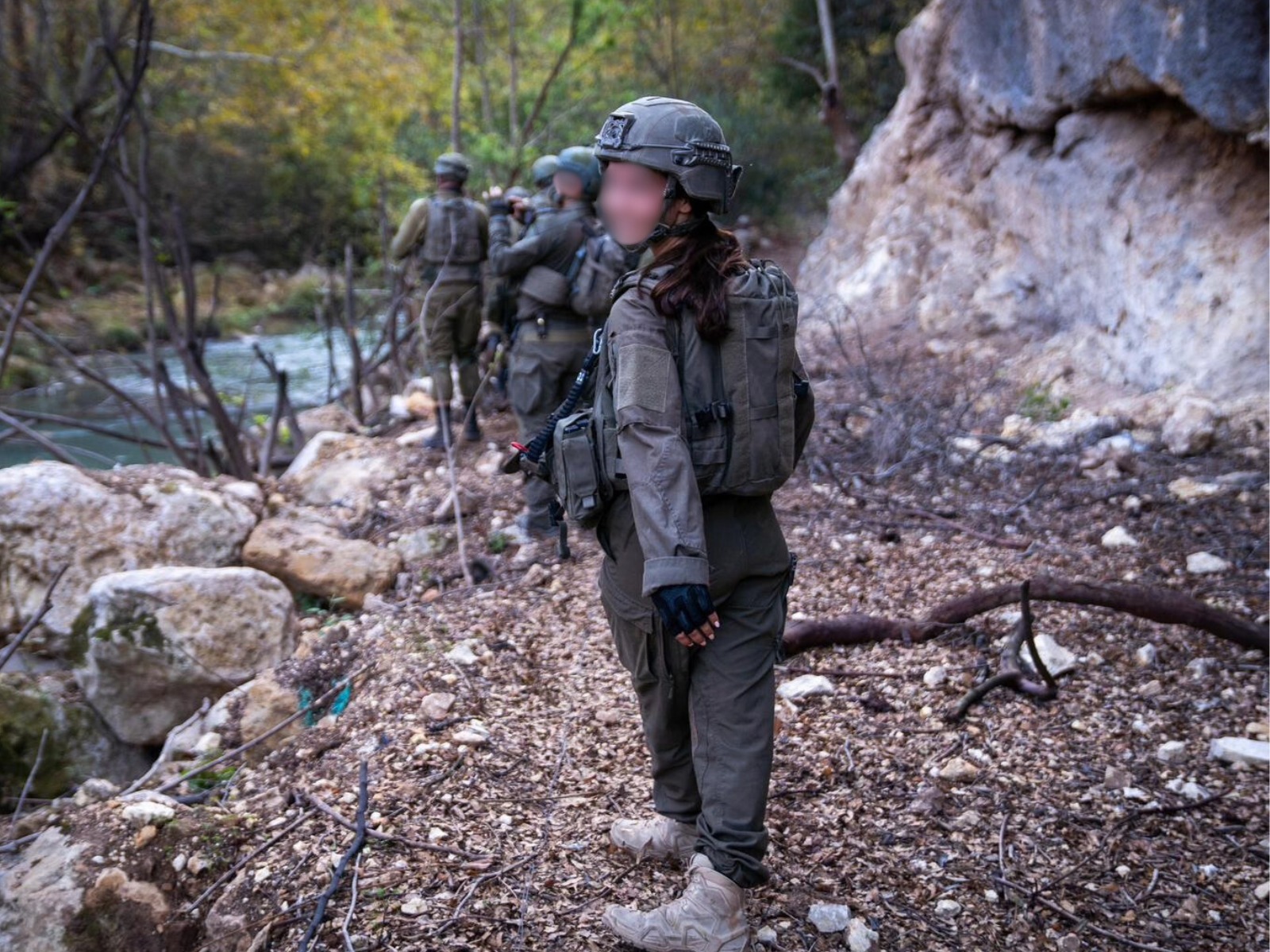
In moments like these, she says, there isn’t much time to process and prepare: “That’s how it is in the role, I only find out where we’re entering when we actually arrive, and then it’s said in the simplest way possible – ‘Okay, now we’re taking a long route to the Litani, get ready.'”
For her, this is precisely the essence of the role – to be close to the forces, to enter with them, and to document what is happening in real-time, even when you yourself haven’t fully grasped the magnitude of the moment. As an operational documenter in the Northern team, she maneuvers in the various sectors with a dual role: a fighter-photographer who moves with the forces in the field, and brings what is happening “inside” – out.
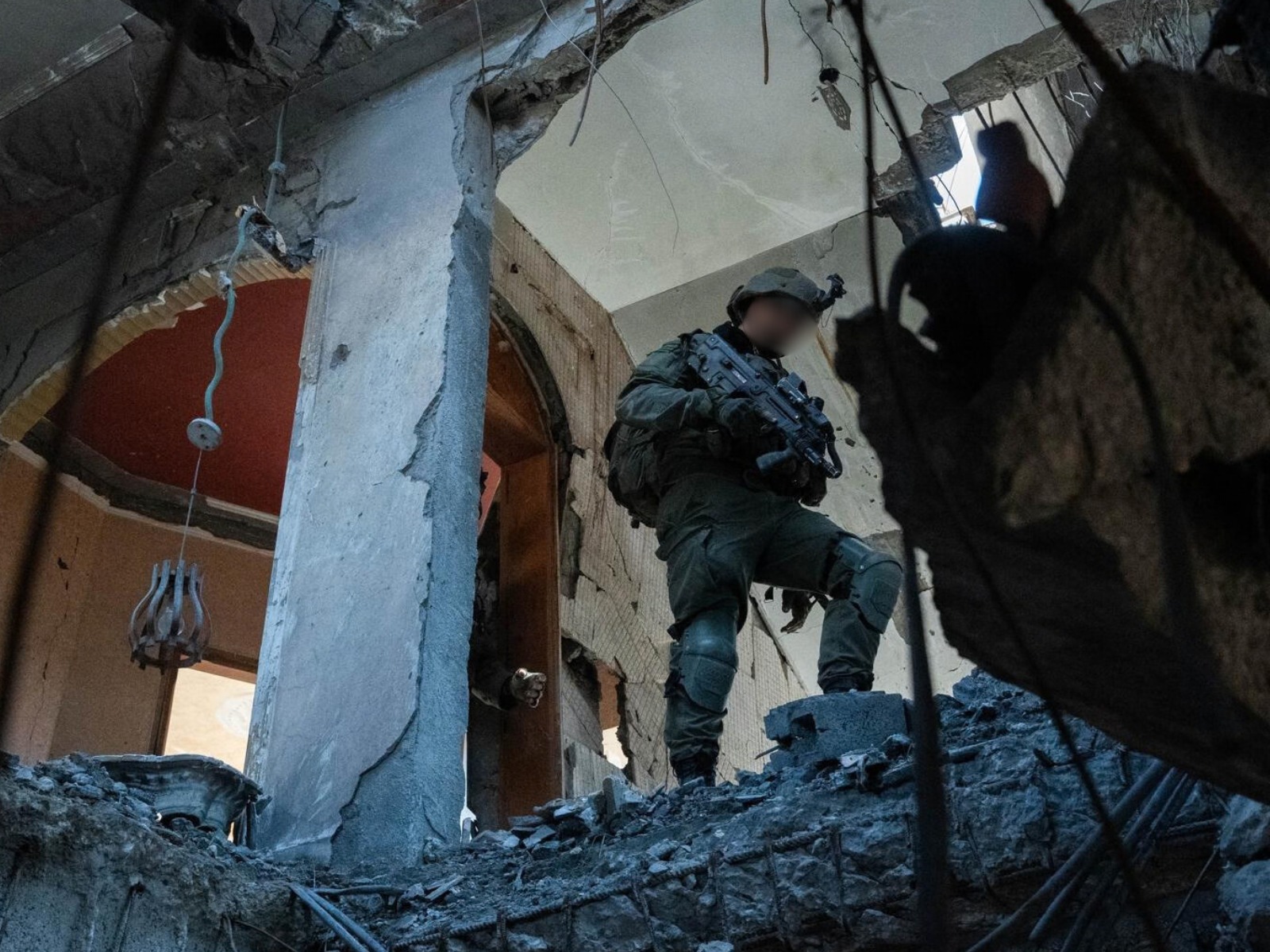
Surprises and complexities are not foreign to her at all. Already on her first entry into the Strip, she experienced events that were etched in her memory, as she operated in underground terrain and tunnels. “The first time in Gaza, I entered a tunnel with Yahalom,” she says. “And right at the beginning, I saw with my own eyes what Hamas had done and built there. It’s a shock, but at the same time, it gives a lot of strength to continue fighting, and more than that – to document and convey the truth.”
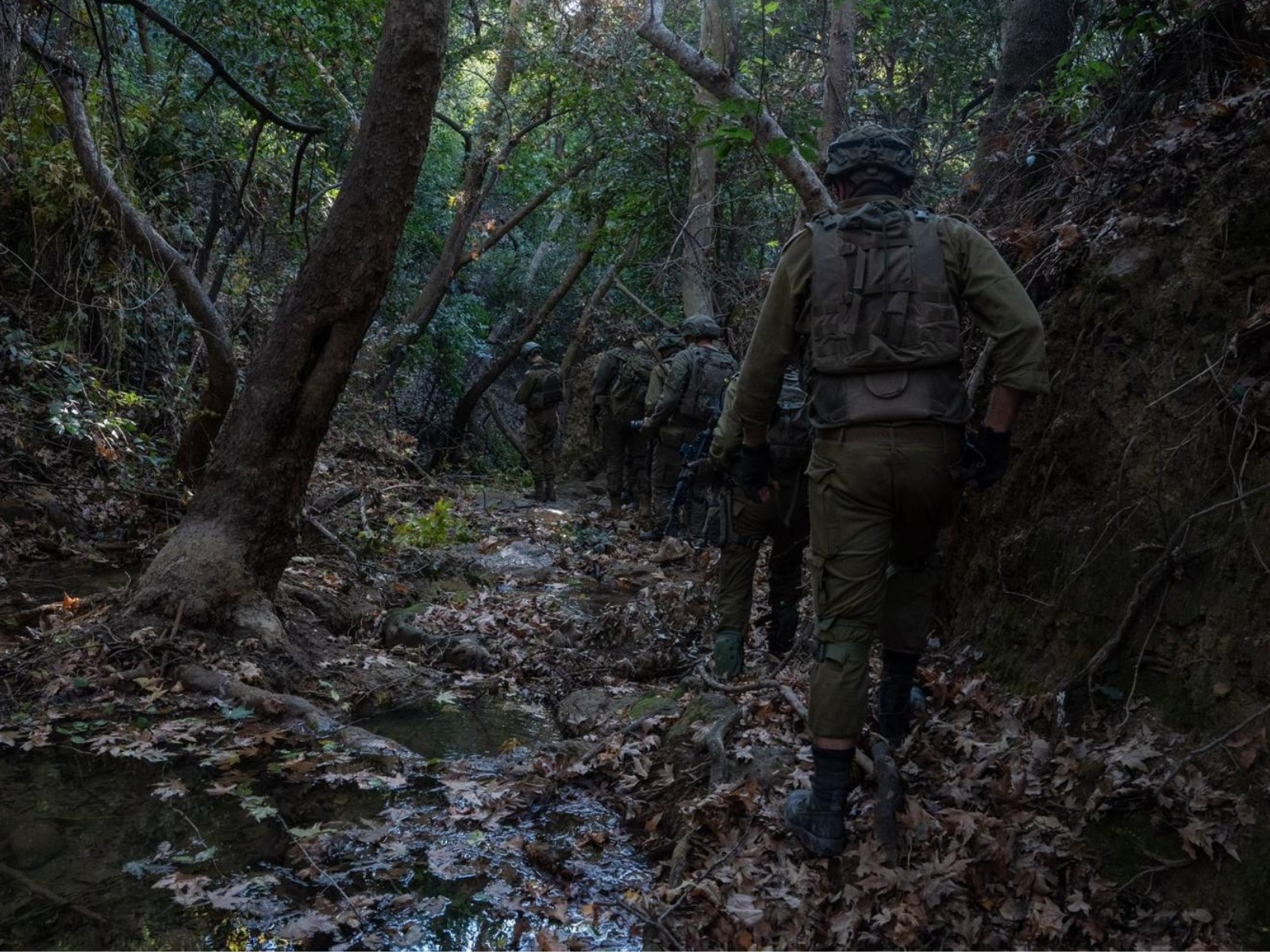
At the end of September ’24, the maneuver in Lebanon began, where she was attached to senior commanders in the Northern Command. With them, she moved between points and entries – and also beyond. “One night, we arrived in the area after a raid by special units,” she details about crossing the Litani. ‘When you’re there, you don’t think ‘I’m the first,’ but rather you’re focused on keeping yourself safe and completing the mission. Later, when your heart rate slows down, it starts to sink in: you realize that this point on the map, which most people only know as ‘a talking point’ – suddenly became a place where you stood, and took pictures.'”
Lieutenant H., Operations Officer in the 120th Refueling Squadron
Among the first to coordinate aircraft refueling in Operation ‘Lion’s Roar’
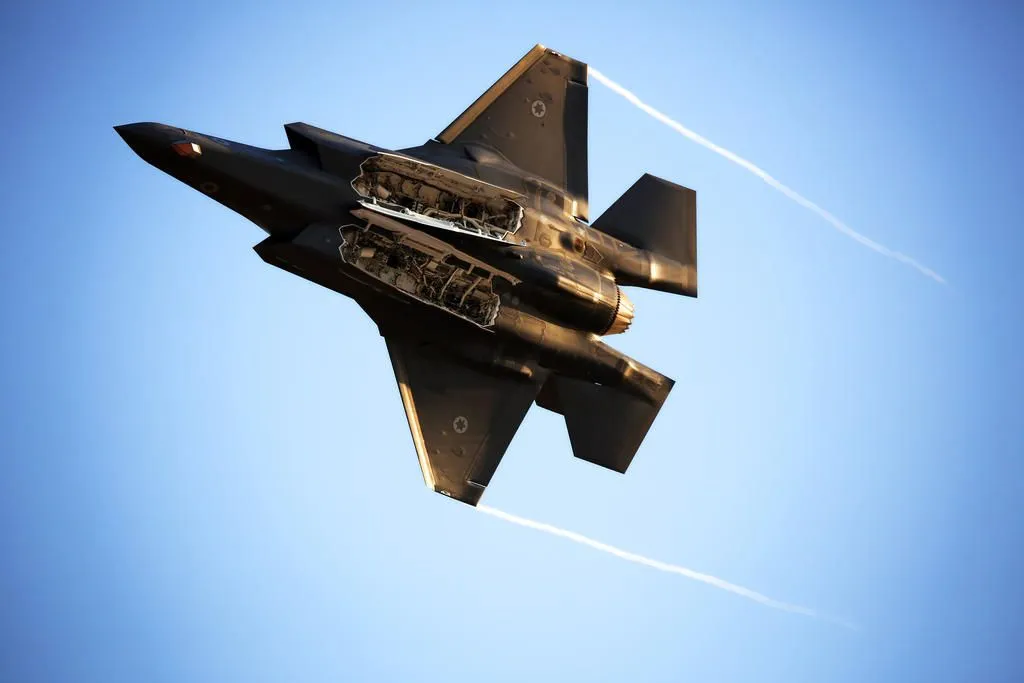
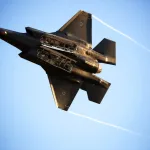
Lieutenant H. may not take off or cross enemy lines, but the moment the Air Force goes into an operation – a significant part of the activity converges on the ground, at her situation room. “Not many know, but Squadron 120 is the only unit capable of supporting the combat array in sorties hundreds and thousands of kilometers away – like to Iran,” she notes. For months, they have had their finger on the pulse, just waiting for the opening whistle.
And it truly sounded last Saturday morning. “We quickly understood that this was the crunch time, that we were going in with full force,” she says, “During the war, the girls and I work around the clock to ensure all missions go out as they should: from coordinating targets, to obtaining and transferring updated intelligence, to coordinating the overall support directly with the aircrews. The operations officers and I are their eyes on the ground.”
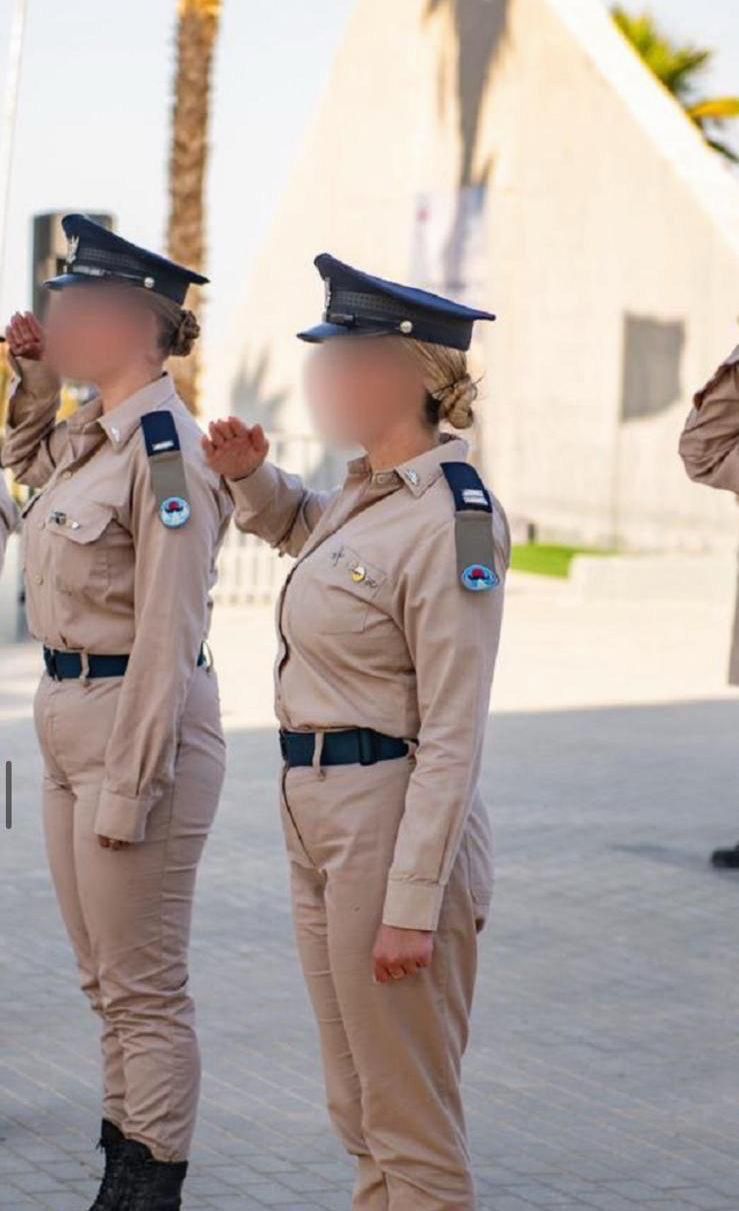
From the first hours of the operation until the moment you read these words, her situation room has become a world full of quick decisions – which often make up historical attacks. “There are constant conversations – between all the parties: whether it’s the planning officers who are building the attack, or those responsible for the entire mechanical aspect. We are the most accessible and reliable source of information where everything converges before the aircraft take off.”
“On the second day of the operation, the squadron commander gathered us and presented the work in terms of data,” Lieutenant H. recalls moments that truly reflect the uniqueness of the work, “He noted how, in some ways, we surpassed ‘With All Your Might’ in the current operation. This is far from the end, and there is still much work to be done, but it’s good to know that we are part of something so big. And now, we will maintain modesty and continue to do the job – to bring peace and security back to our families.”
Related Topics