





















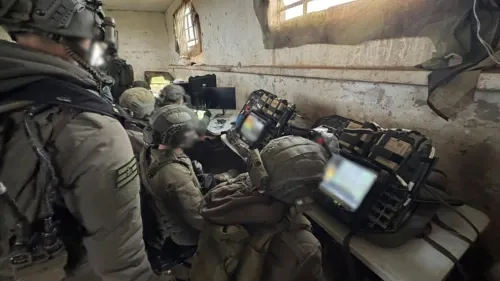
At the beginning of the week, the robotics company’s fighters went out for a first-of-its-kind training, where the company practiced various engineering missions on its own. “This is the first time such training has been held at our level, focusing solely on their unique capabilities and their end-to-end execution,” explains the company commander, Major N. “Until now, events like these were part of a brigade-level or battalion-level exercise, where we integrated as an engineering-robotic force.”
But before we dive into the details of the event, we need to understand what this special company is composed of, which enables advanced engineering capabilities that rely on remotely controlled robots, thus not endangering the lives of their operators. It is composed of three dedicated teams, each with expertise in a different field across various dimensions.
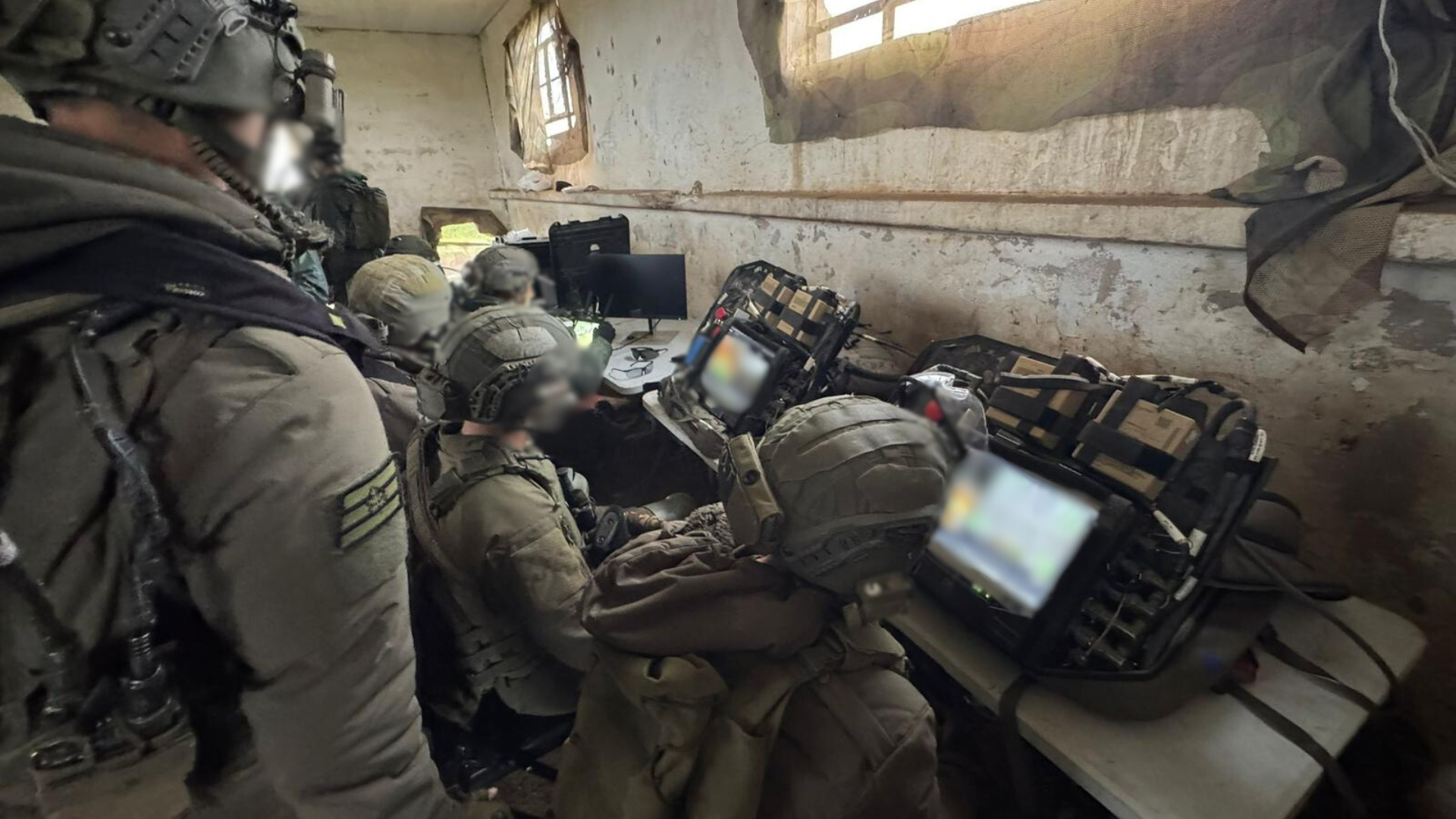
But the real magic happens when everyone combines forces: “Thanks to the versatile capabilities of each of them, it’s easy for the teams to cooperate. If the mission is to locate and clear underground infrastructure, for example, then in the preliminary stage, the drones will come to scan the area and prepare it for further work, while identifying various threats. After them, the ground vehicles will arrive, dismantle obstacles, and secure and cover the underground team’s platforms.”
After the company operated in Gaza under Battalion 607, which took place about six months ago, it went out on a new mission a few weeks ago, and for the first time since its establishment, it moved to the North. As part of the preparations for this sharp transition, it held the first-ever robotics exercise in the IDF.
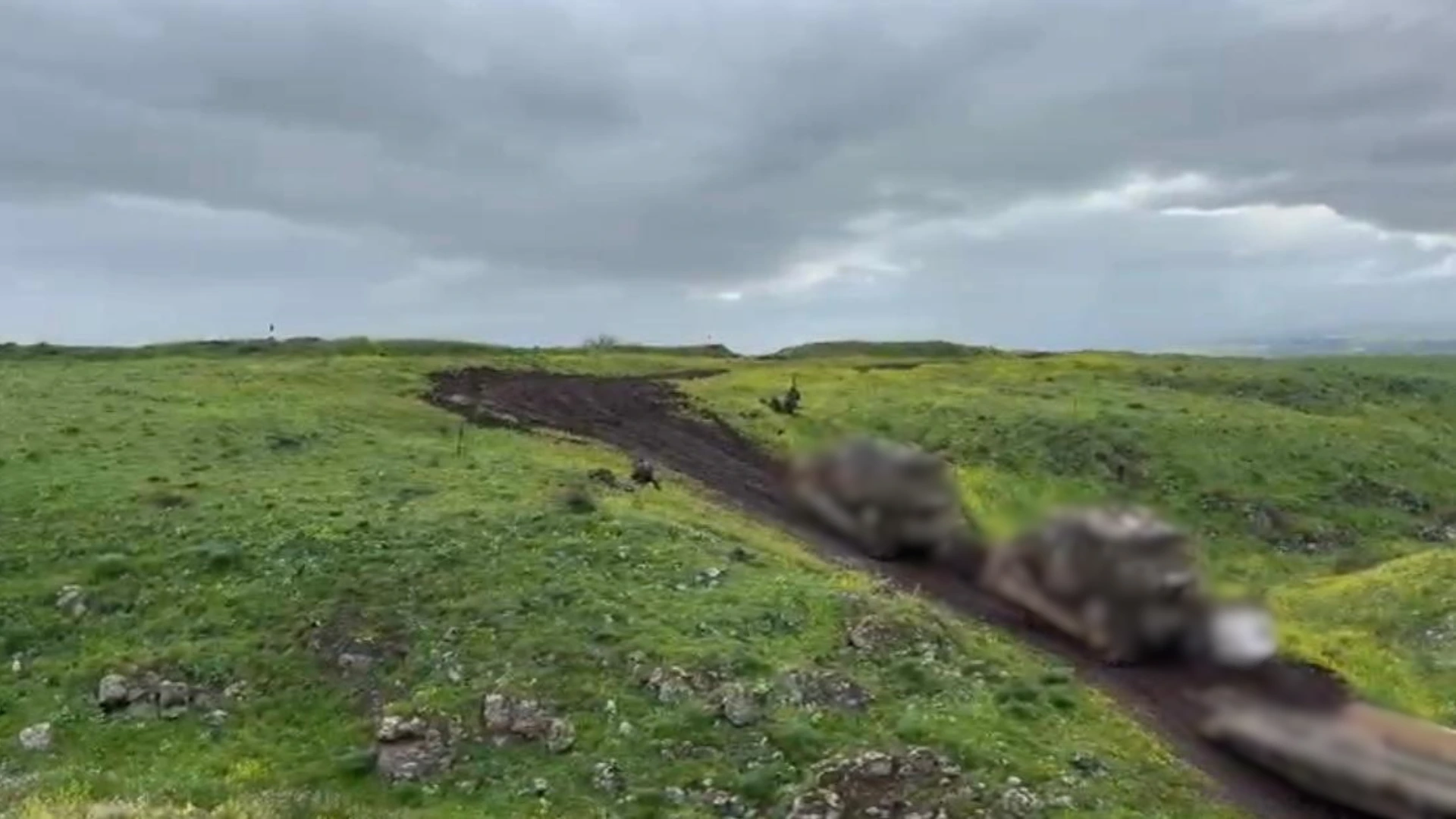
The goal was to practice a realistic scenario that the company might encounter. “We didn’t want to practice a mission specific to our company, but rather to engage in the activity of a regular reconnaissance battalion, and to perform it robotically from end to end,” states the company commander.
In general, the goal was to prepare a movement axis for the brigade, so that it could break through it quickly until the objective was captured. “A good example of one of the challenges they encountered was a massive water crossing on the way, which is particularly common in Lebanon,” he describes, “to cross it, we needed bridging capabilities.”
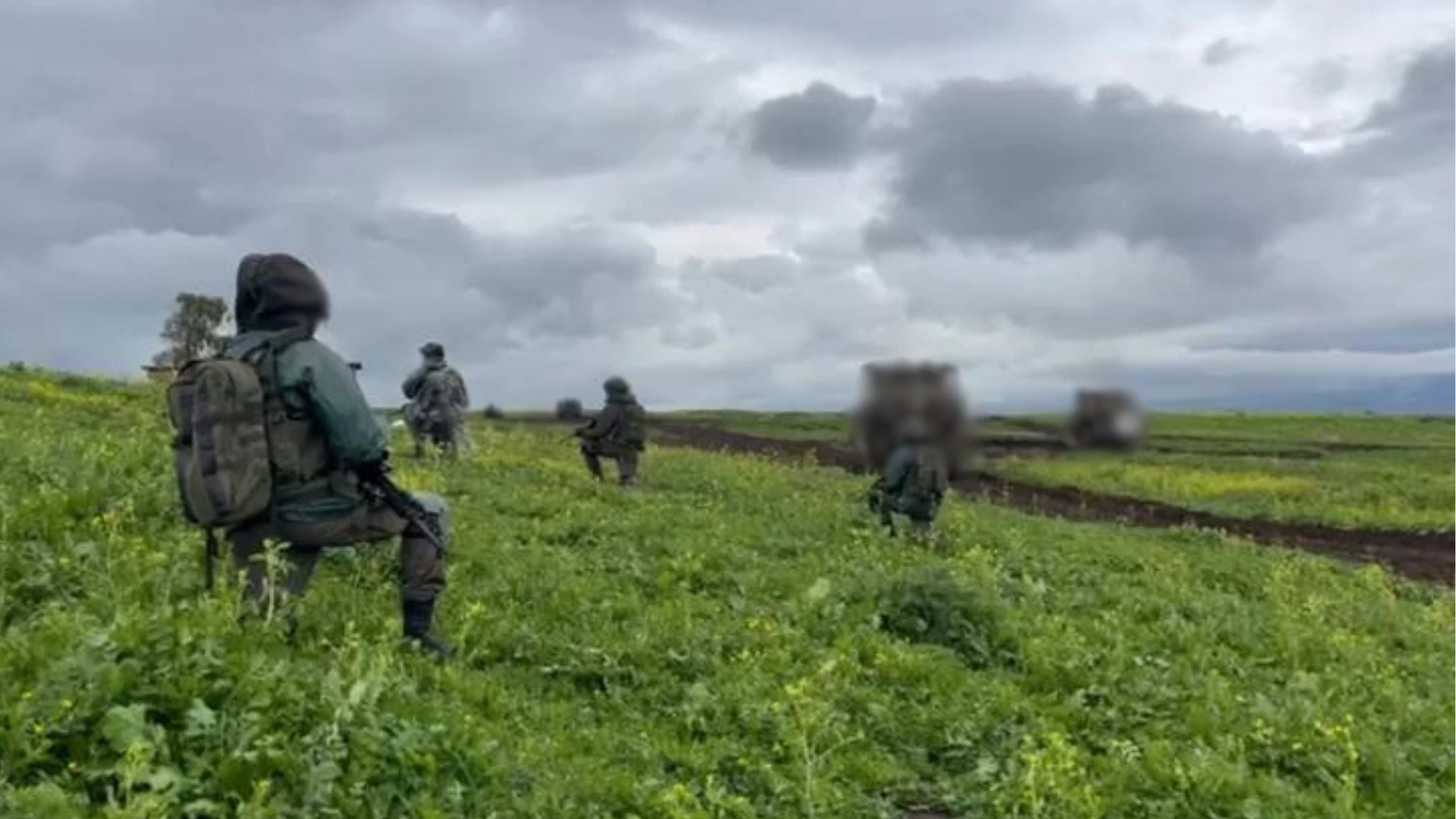
This is a mission that the Engineering Corps has carried out several times during combat, but using manpower. Now, the teams had to complete the mission using only robots. “In the first stage, all the commanders and I, along with the planning group, met and tried to devise a course of action to carry out this complex operation remotely,” recalls the company commander.
First, drone forces and heavy vehicles advanced, in the air and ground domains. The drones provided aerial security, searching for stray threats on the ground, and the ‘heavy’ team was able to effectively neutralize them. “After the fighters secured the area with maximum strength, they established a joint command post for both, and from there the mission was conducted,” he recounts.

Simultaneously, the drones began scanning the movement axes, identifying obstacles and mapping them. Naturally, the bulldozers were the ones who cleared and prepared them. In the next stage, they built the bridge with the help of the third team. According to the commander, the company did not conduct too much preparation for the exercise, choosing instead to test the ability of the three teams to ‘land’ in the field, work together quickly and organically, and adapt themselves to the mission and the threat.
In addition to the practical training, the company’s fighters, who since its establishment had only fought in the Gaza Strip, also underwent theoretical preparations for the move to the North. “We underwent reconnaissance and equipment adjustments for the new terrain, and all the exercises and training we did this month focused on this,” details the company commander, “the goal is for us to be trained here in the North as well, to respond quickly to whatever is required.”
Related Topics