
- Business
Browse Business
- Technology
Browse Technology
Latest in Technology
Job Leap
2 minutes ago
Iranian Phishing Campaign Targets Organizational Email Systems Using a New Attack Tool
3 days ago
Ultra-Sensitive ‘Electronic Nose’ Can Tell Nearly Identical Molecules Apart
5 days ago
Strengthening Ties with Europe: Minister of Energy Eli Cohen Signs Agreement in Hungary to Advance Cooperation in Energy, Innovation, and Cyber
1 week ago
- Politics
Browse Politics
Latest in Politics
Netanyahu, Merz Stress Gaza Stability and Bilateral Defense Ties in Jerusalem Meeting
5 minutes ago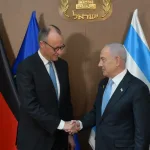
Prime Minister Netanyahu and German Chancellor Friedrich Merz Holding an Expanded Meeting
1 hour ago
Prime Minister Netanyahu Meeting with German Chancellor Friedrich Merz
2 hours ago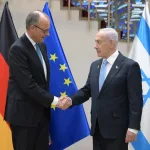
President Herzog welcomes German Chancellor Friedrich Merz to Israel
1 day ago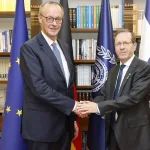
- Security
Browse Security
Latest in Security
Netanyahu, Merz Stress Gaza Stability and Bilateral Defense Ties in Jerusalem Meeting
5 minutes agoPrime Minister Netanyahu and German Chancellor Friedrich Merz Holding an Expanded Meeting
1 hour agoIsrael Confirms Deaths of Hamas East Rafah Battalion Commander and Top Deputies
3 days ago
Iranian Phishing Campaign Targets Organizational Email Systems Using a New Attack Tool
3 days ago - Economy
Latest in Economy
13th meeting of the Israel-Ukraine Joint Economic Commission held in Jerusalem
3 days ago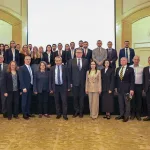
Israel, US Sign Landmark Agricultural Trade Deal to Cut Prices and Boost Exports
4 days ago
Leket Israel and BDO Decade Report: 211 Billion ₪ Went to Waste
2 weeks ago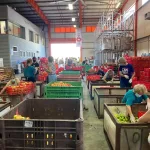
Israel Wasted 2.6 Million Tons of Food in 2024, Worth $7.2 Billion
2 weeks ago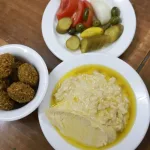
- Crime
Latest in Crime
Israeli Authorities Charge Ashkelon Resident Over Months-Long Ties to Iranian Operatives
3 days ago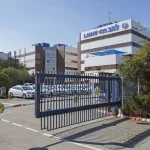
Israel Confirms Return of Sudthisak Rinthalak’s Remains
3 days ago
Israel Prepares to Receive Remains of Hostage
4 days ago
18-Year-Old Israeli Indicted for Preparing Explosives in ISIS-Linked Terror Plot
4 days ago
- Society
Browse Society
Latest in Society
Prime Minister Netanyahu Meeting with German Chancellor Friedrich Merz
3 minutes agoCosta Rica to Open Diplomatic-Status Office in Jerusalem in 2026
2 hours ago
President Herzog welcomes German Chancellor Friedrich Merz to Israel
1 day agoPM Netanyahu’s Remarks at the Government Meeting to Approve the 2026 State Budget
2 days ago
- Services
Travel & Transportation
Technology & Utilities
Religious & Cultural
Information & Directories
Government & Public Services
- Breaking News
Ministry of Health Announces 2025-2026 Winter Preparedness Plan, Urges Public to Get Vaccinated
The Ministry of Health announced its winter preparedness plan today to get ready for expected seasonal illnesses. Dr. Hagar Mizrahi, Head of the Medical Division, sent out the annual notice to all healthcare facilities in Israel, including hospitals. The plan requires hospitals to increase staffing in emergency departments and internal medicine wards, as well as in support units like imaging labs, to handle the expected rise in patients during winter.
The presence of various airway viruses creates challenges for the healthcare system, highlighting the need for early preparation and preventive measures. All healthcare organizations—including hospitals and health maintenance organizations (HMOs)—must be ready for a likely increase in patient numbers this winter. Common winter viruses, such as influenza and COVID-19, spread through the air and by contact. To prevent transmission, people showing airway symptoms should isolate, and healthcare staff must consistently wear personal protective equipment to protect both medical teams and patients.
The preparedness plan emphasizes protecting high-risk groups, reducing hospital overcrowding, and promoting vaccination against the main winter viruses: influenza, COVID-19, and RSV. Healthcare teams are advised to wear masks when treating high-risk patients, and staff with symptoms should stay home for at least five days.
Special attention is being given to nursing facilities and the protection of older adults. HMOs will provide vaccines directly to residents of these facilities, with vaccinations happening on-site. Facility staff will also receive vaccinations there to ensure high coverage rates. Residents with airway illness symptoms will receive immediate preventive and therapeutic care on-site, when possible, to prevent further infections. Hospital-based geriatric wards will be reinforced, and new procedures for discharging patients to active geriatric care or home hospitalization have been established. Additionally, HMOs will supply medications for older adults, including treatments for influenza and COVID-19, under new agreements with these institutions.
Vaccinations: The Ministry of Health encourages everyone to get the seasonal flu vaccine, recommended for anyone six months and older, especially for adults aged 65 and over and those in at-risk groups. The flu virus can lead to serious illnesses like pneumonia, other airway complications, myocarditis, and even death. The vaccine helps reduce the risk of complications, hospitalizations, and mortality. Annual vaccination is advised since the circulating virus changes slightly each year. The vaccine is updated yearly based on predictions from the World Health Organization regarding the expected strains.
Last year, at least 422 hospitalized individuals with confirmed influenza died, most of whom were over 75, according to data from the Israel Center for Disease Control collected from 13 general hospitals.
Additionally, the RSV vaccine has been included in the public health basket this year. It is recommended for all infants during their first year of life and for high-risk children in their second year. The vaccine will be given in hospitals to babies born before or during the winter season, and in family care centers (‘Tipot Halav’) before the next winter season for babies born during the rest of the year. RSV mainly causes airway illness in infants and young children under two years old, accounting for about 25% of hospitalizations due to pneumonia and about 75% due to bronchiolitis. The disease usually occurs in the fall and winter, typically presenting with mild fever, runny nose, and cough, and in more severe cases with pneumonia. There is no specific treatment for RSV—only supportive care like saline inhalations, oxygen if needed, or mechanical ventilation in certain cases.
Alongside influenza, COVID-19 may also cause significant illness this winter. The updated vaccine, which protects against the JN.1 variant, is available. Healthcare workers are expected to be vaccinated against both influenza and COVID-19.
Hospitals must increase staffing in emergency and internal medicine departments, including adding specialist physicians and nurses per shift. If necessary, hospitals should reduce elective procedures, expedite patient discharges, and facilitate transfers to step-down units or home care.
HMOs are instructed to increase the number of vaccination sites and make them accessible to the public, including offering influenza and COVID-19 vaccines at the same appointment. They should also improve urgent care and telemedicine services, identify high-risk populations, and expand home hospitalization and community-based mental health services. All healthcare facilities must take stock of essential medicines and supplies, increase stock levels, and prevent shortages of winter-related medications.
Dr. Hagar Mizrahi, Head of the Medical Division at the Ministry of Health, stated: “As every year, winter brings an expected increase in airway illnesses, including influenza, COVID-19, and RSV. The Ministry of Health and the healthcare system are taking extensive steps to ensure that the public receives accessible and safe care, and that the system can handle increased demand. We urge the public to get vaccinated, maintain good personal hygiene, and stay home when sick. Together, we can protect our health, the health of those around us, and get through the winter safely and in good health.”
BREAKING NEWS
Israel and Costa Rica to sign Free Trade Area Agreement
Ministry of Foreign Affairs December 7, 2025 11:52 am
Herzog: I Respect Trump’s Opinion But Israel Is A Sovereign State
Kostis Konstantinou December 6, 2025 6:13 pm
German Chancellor Merz Expected In Israel On First Official Visit
Kostis Konstantinou December 6, 2025 5:50 pm
Israeli Ambassador To The US Addresses The Lebanese: We Want Security, Not Your Land
Kostis Konstantinou December 6, 2025 11:52 am
Flu Season Starts Early: Cases Surge in Israel and Abroad
Ministry of Health December 6, 2025 8:58 am
World-Renowned Jewish American Architect Frank Gehry Dies, Aged 96
Kostis Konstantinou December 5, 2025 7:58 pm
Government Approves the 2026 State Budget
Prime Minister's Office December 5, 2025 11:33 am
Geriatric and Mental Health Services Expanded; Be’er Sheva Hospital, Billing, and Security Upgrades Ahead
Ministry of Health December 5, 2025 8:58 am
Israel Strikes Hezbollah Weapons Storage Sites in Southern Lebanon
Ehud Amiton December 4, 2025 3:28 pm
Anglo-Eastern to Deploy Orca AI Navigation Across Global Fleet
Pesach Benson December 4, 2025 3:14 pm
Israel’s Galmed Wins South Korea Patent for New Liver Disease Combination Therapy
Pesach Benson December 4, 2025 2:29 pm
OncoHost Wins Gold for AI-Powered Cancer Prediction Platform
Pesach Benson December 4, 2025 2:28 pm
Prime Minister’s Office-Mossad Announcement
Prime Minister's Office December 4, 2025 12:59 pm
Government meeting to approve the State Budget for 2026
Ministry of Foreign Affairs December 4, 2025 12:59 pm
Daimler and Torc Select Israel’s Innoviz Sensors for Next-Gen Autonomous Trucks
Pesach Benson December 4, 2025 9:28 am
Axon Vision, Leonardo DRS Partner on AI-Driven Counter-Drone Systems for U.S. Market
Pesach Benson December 4, 2025 9:13 am
Body of murdered hostage Sudthisak Rinthalak returned to Israel: Statement by President Herzog
Ministry of Foreign Affairs December 4, 2025 9:13 am
98: Remarks by Prime Minister Begin at Ben-Gurion airport upon his return from the U.S. 20 December 1977
Ministry of Foreign Affairs December 4, 2025 8:43 am
Body of fallen hostage Sudthisak Rinthalak returned to Israel: Prime Minister’s Office announcement
Ministry of Foreign Affairs December 4, 2025 6:43 am