














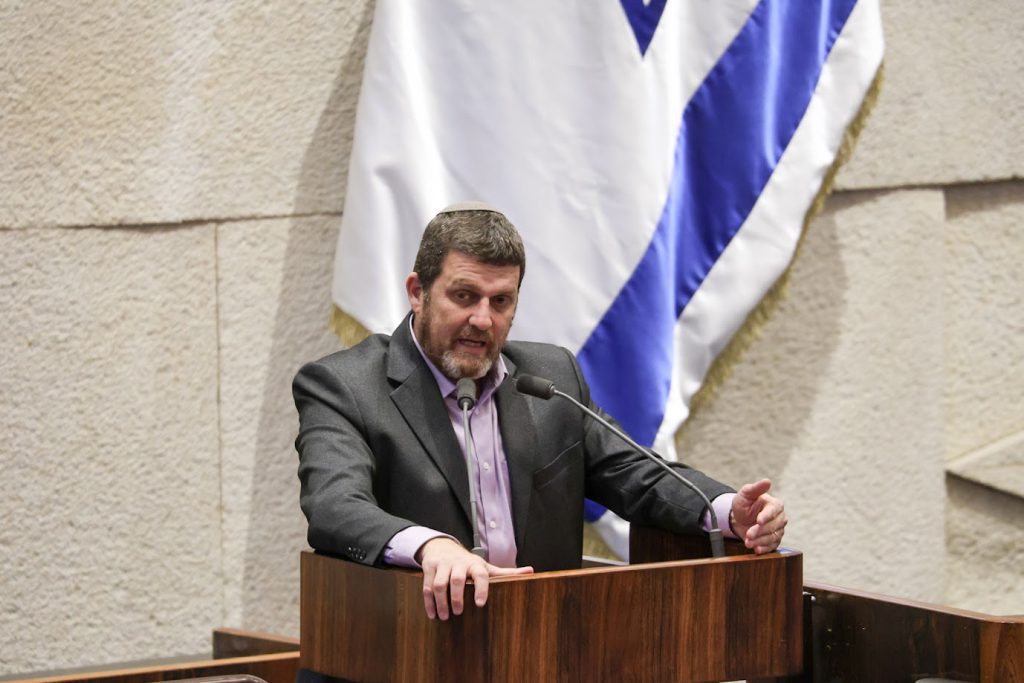
In its sitting on Wednesday, the Knesset Plenum voted to approve in second and third readings the Prohibition on Unlawful Stay and Residence in Israel Bill (Legislative Amendments), 2025, sponsored by MK Amit Halevi (Likud) and a group of MKs. In the vote, 29 Members of Knesset supported the bill, with one opposing vote.
It is proposed to stipulate that a stay permit or a license for residence in Israel will not be granted to a resident of the [Judea and Samaria and the Gaza Strip] region, if the person has been convicted of an act of terrorism or is a terrorist operative. Such a [permit or license] will also not be given to a family member of a person who has been convicted of an act of terrorism or is a terrorist operative.
It is further proposed to stipulate that the term “family member” will be defined differently, depending on the stage of presentation of the application for such a permit or license. For a first application, which is usually submitted before the entry into Israel, the definition will be broad and will include additional circles, including a parent, spouse, child, sibling, uncle, aunt, cousin, nephew or niece. Conversely, for the renewal of such a permit or license of a person who is already staying in Israel, the definition will be more limited, and will include only the close family members, including a parent, spouse, child or sibling.
Additionally, it is proposed that a person who entered from the region unlawfully will not receive a stay permit or a license for residence in Israel for ten years. Moreover, it is proposed to impose stricter penalties for specific offenses of an unlawful stay in Israel, if they were committed by a person who entered Israel from the region or through the region; in this regard, it is proposed to stipulate that the maximum penalty for these offenses will be up to two years’ imprisonment instead of one year.
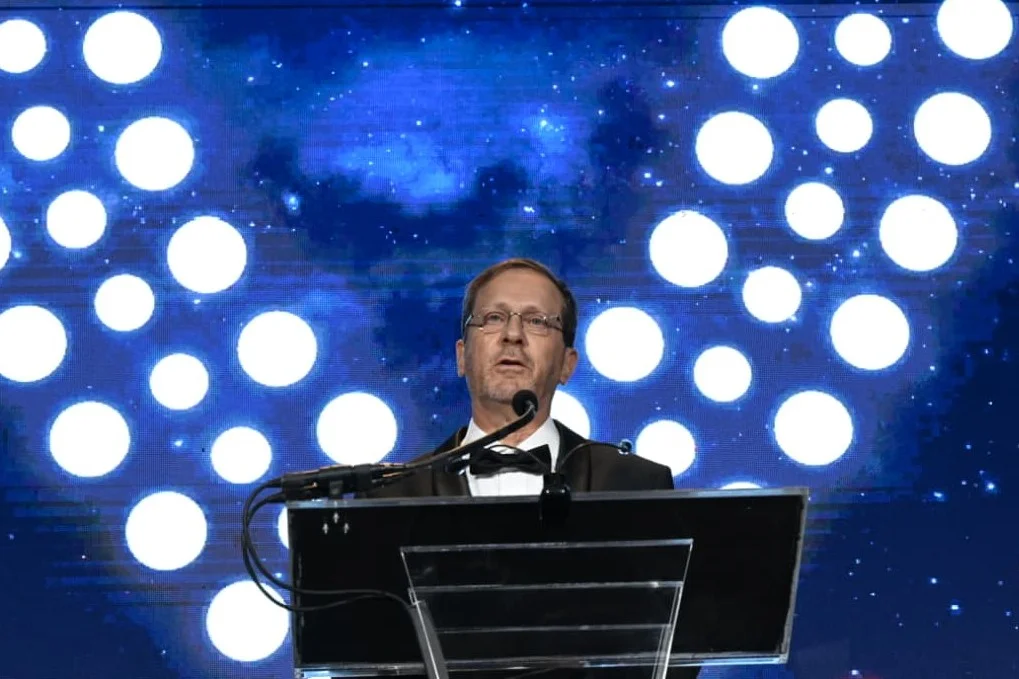
MK Halevi, the bill’s sponsor: “These bills that we are drawing up here will become the gatekeepers and protectors of the soldiers and of every citizen. This bill joins other bills, the characteristic of which is [targeting] terrorist infrastructure. Terrorism starts from the infrastructure. The time has come to change the form [of the action] and uproot the infrastructure.”
The explanatory notes to the bill state: “The mass slaughter that was committed on October 7, 2023 must serve as a clear and sharp warning sign to all those engaged in the task of protecting the security of the state and its citizens. If the State of Israel practiced a ‘forgiving’ and ‘accepting’ attitude towards illegal aliens who are residents of Judea and Samaria and Gaza until October 7, then afterwards, its obligation to the security of its citizens requires it to reexamine the standards on this issue and other issues pertaining to terrorist infrastructures.”